Ghazal Mhanna, 15 — Trainers’ Academy, Tulkarm
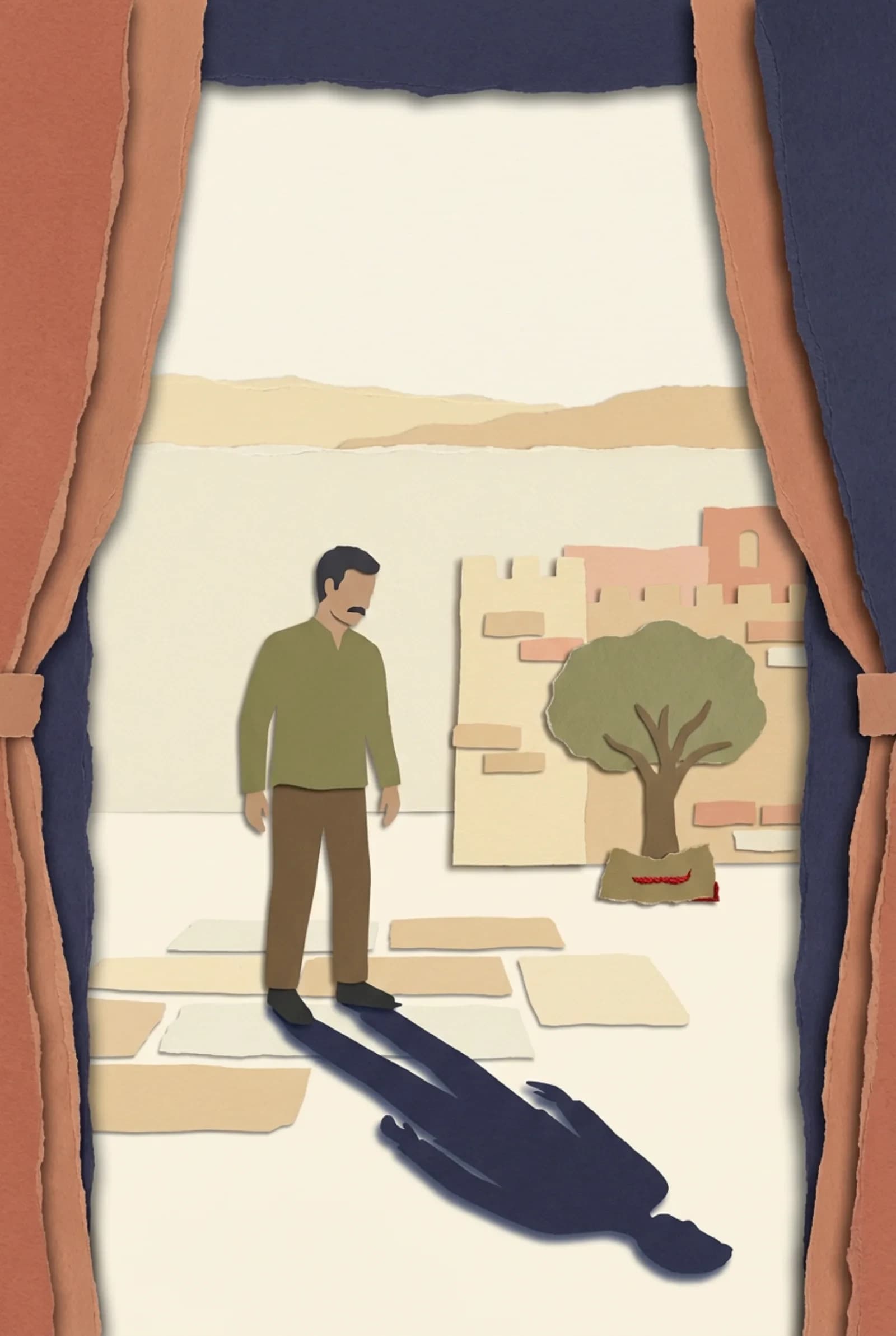
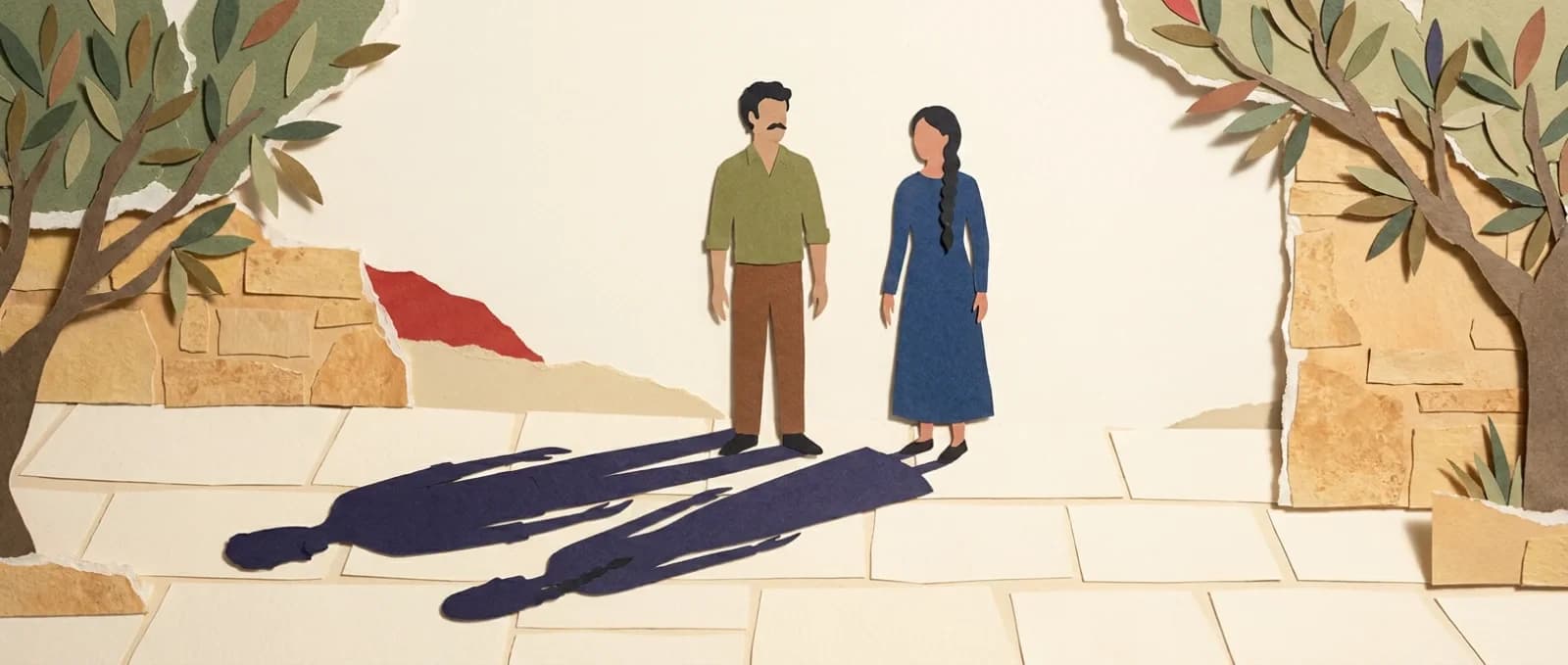
He sat on his bench in the garden sipping his coffee quietly, enjoying the warm sunshine and the gentle spring breeze. Usaid glanced towards the wall to find that its shadow had disappeared…
Mohammed Mustafa Sududi, 15 — Tulkarm
In the winter days, Tulkarm Camp used to wake to the sound of children’s laughter slipping between the walls and alleyways, just as warm sunlight slipped through the windows of quiet homes. And the camp’s day would begin, the sound of the drone more disturbing this time than ever before. Um Hassan, whom all the camp knew for her sincere prayers, opened her small window. ‘O Opener, O All-Knowing, O Provider, O Generous.’
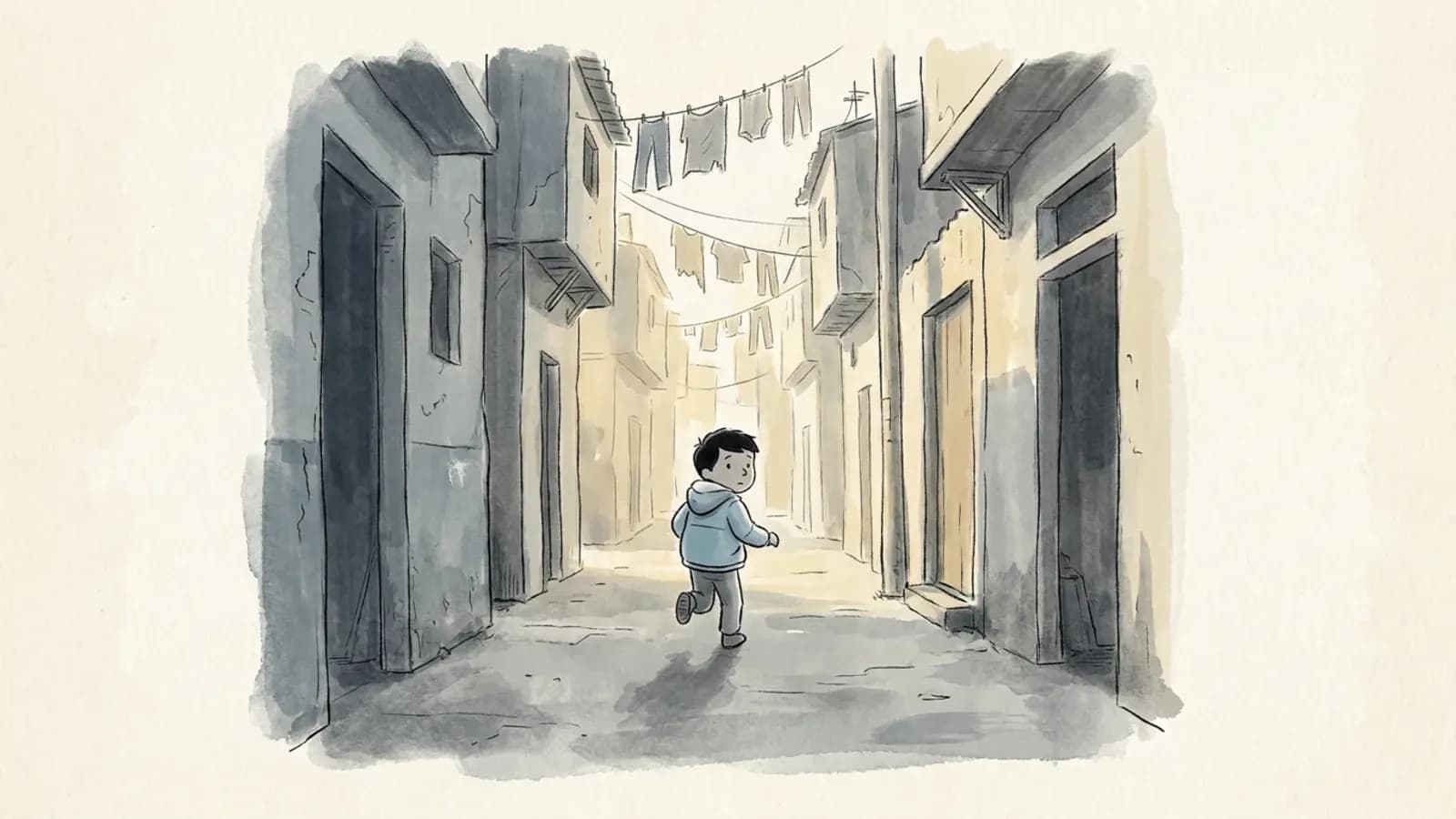
Life moved slowly and almost normally inside the camp. Everything was ordinary, a strange calm settled over the houses and streets. Suddenly a violent explosion thundered, as though it came from the sky. And the news spread quickly, like wildfire. ‘A car struck — everyone inside martyred.’ The sound of the drone rose louder, accompanied by occupation bulldozers devouring the earth. This time was different. People ran in all directions, car horns filled the world, mothers searched for their children and children wept like the lost, shops shut their doors, and occupation patrols ordered people through loudspeakers to go into their homes.
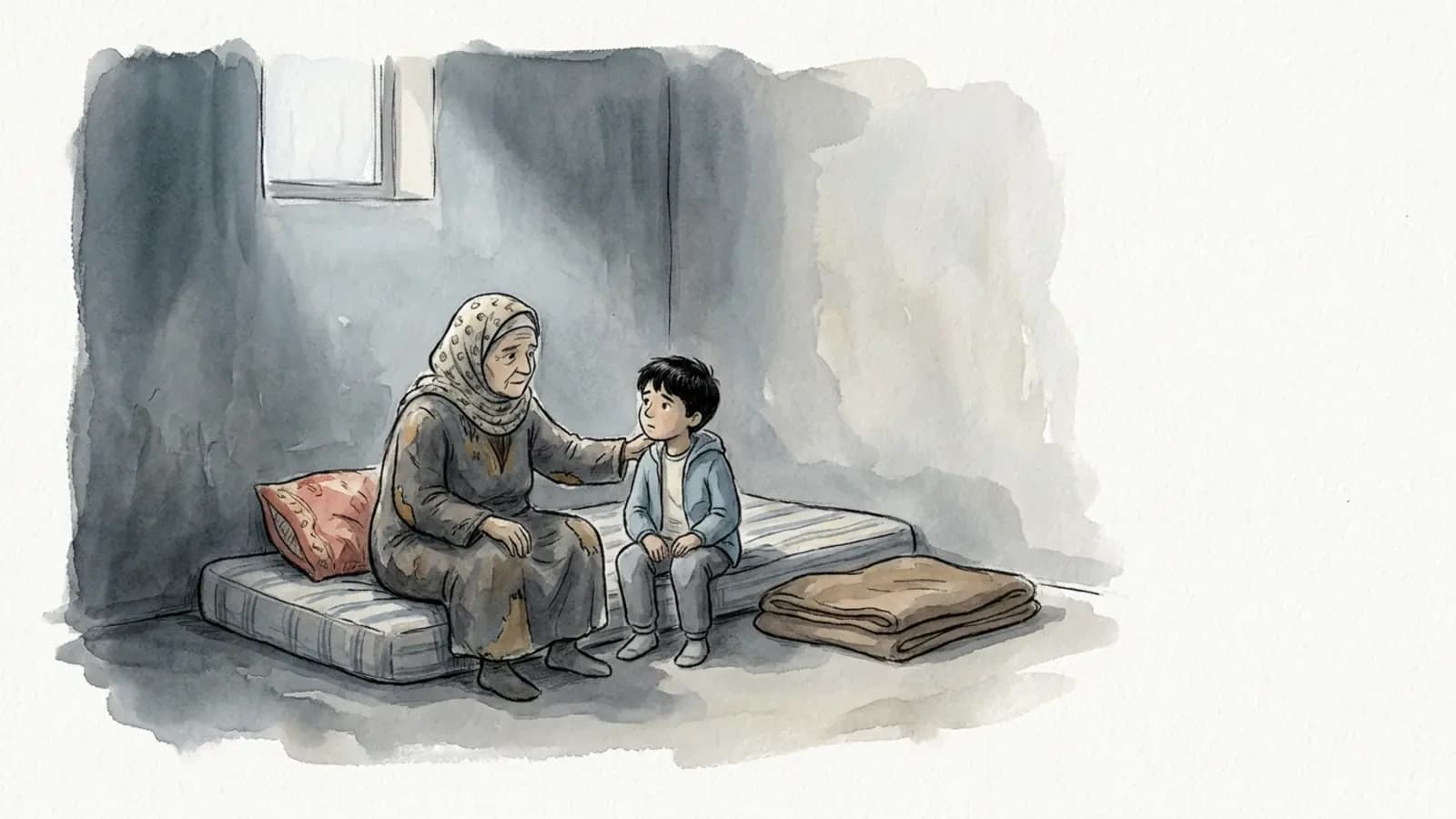
‘Khalid, get inside, yamma!’ Khalid’s mother shouted. ‘Coming, coming, yamma, I’m not far!’ Khalid replied. ‘This time is different,’ said the Hajja Um Hassan, but she did not know that this ‘different’ meant leaving with no return. The bulldozer engines shook the neighbourhoods and military commands echoed all around. Adam, the small boy who had not yet turned ten, asked his grandmother, ‘Sitti, why are there so many bulldozers?!’ She answered him, trying to hide her fear, ‘They’ve come to search, my love, but don’t be afraid — we’re together.’
But the fear was greater than all words. Soldiers stormed the camp by the hundreds, blew up doors, entered homes without mercy, searched them, arrested the young and the old… The scene was not merely an ordinary raid — it was an uprooting of peace and safety. Hanan, who had not yet seen her eighteenth spring, said, ‘The sound of the soldiers’ orders, the storming of homes — it gave us no time even to think. Everything was faster than our ability to understand. We left as we were, in light clothes unsuited to a harsh winter that knows no mercy. We took nothing with us, not even our photographs and memories, nothing that resembled us. We took only what our trembling hands — trembling with fear and cold — could reach: a little clothing… and a great deal of silence.’
And darkness fell. The night was longer than usual, the air colder than familiar, the ground hard, and no roof to shelter us but the sky. We had no refuge to protect us from the winds. We searched for temporary warmth, for postponed safety. The children shivered with cold and fear, and the adults feigned strength even though their hearts were breaking in silence. The days passed heavy, as though time had stopped at the moment of displacement.
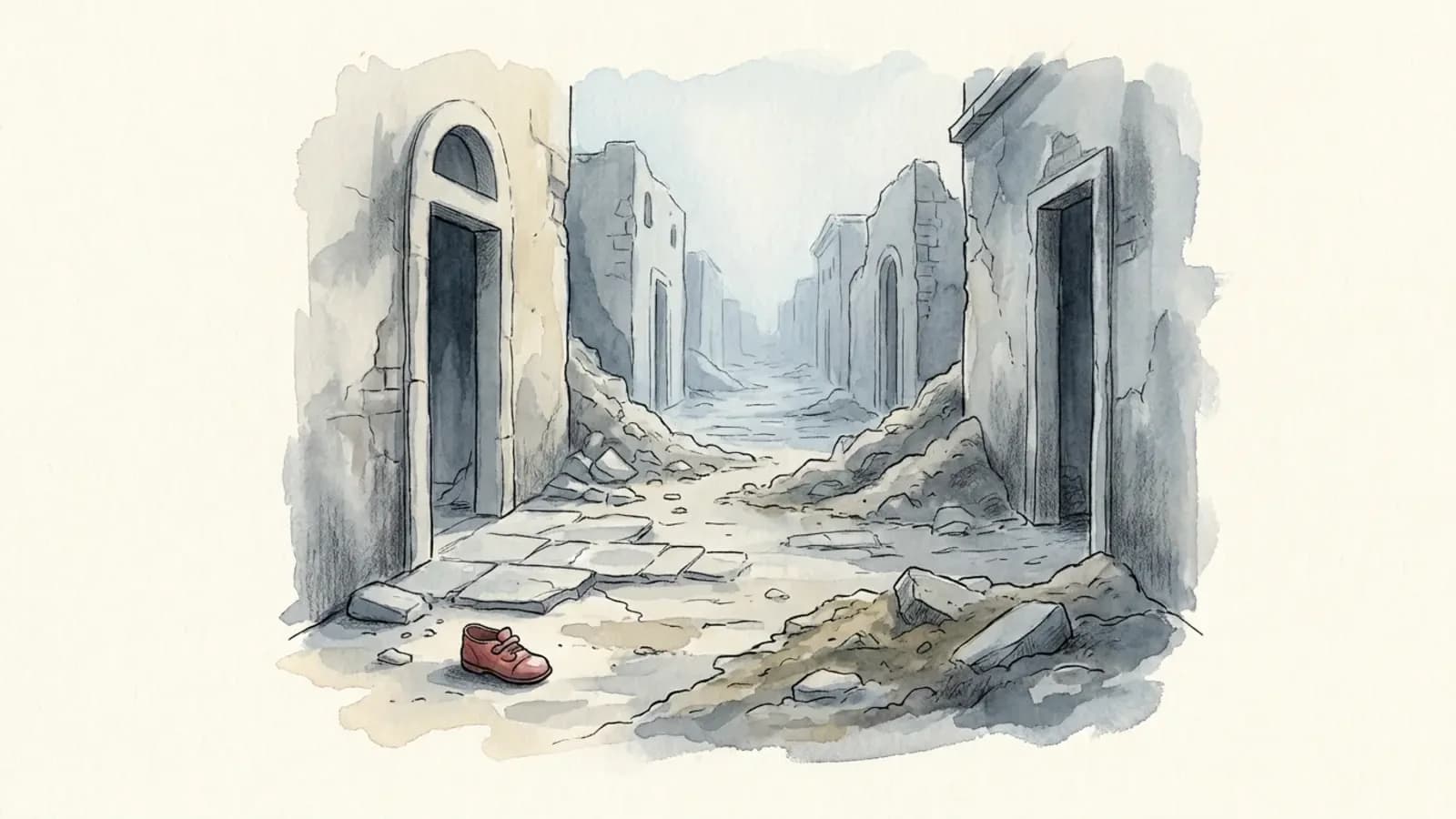
When dawn broke, the bulldozers had devoured everything in their path: streets and squares, houses and trees, shops and courtyards, as though redrawing the features of the camp anew. The camp became empty, void of its inhabitants. Children’s laughter no longer filled the streets and homes, the sun no longer slipped through the windows and panes. Uncle Abu Sabreen no longer fried falafel for the schoolchildren, the young men no longer gathered in the evenings outside the cafés, the women no longer sat on the doorsteps drinking coffee together in the morning… The lights were extinguished, and the smell of earth and emptiness spread through the place.
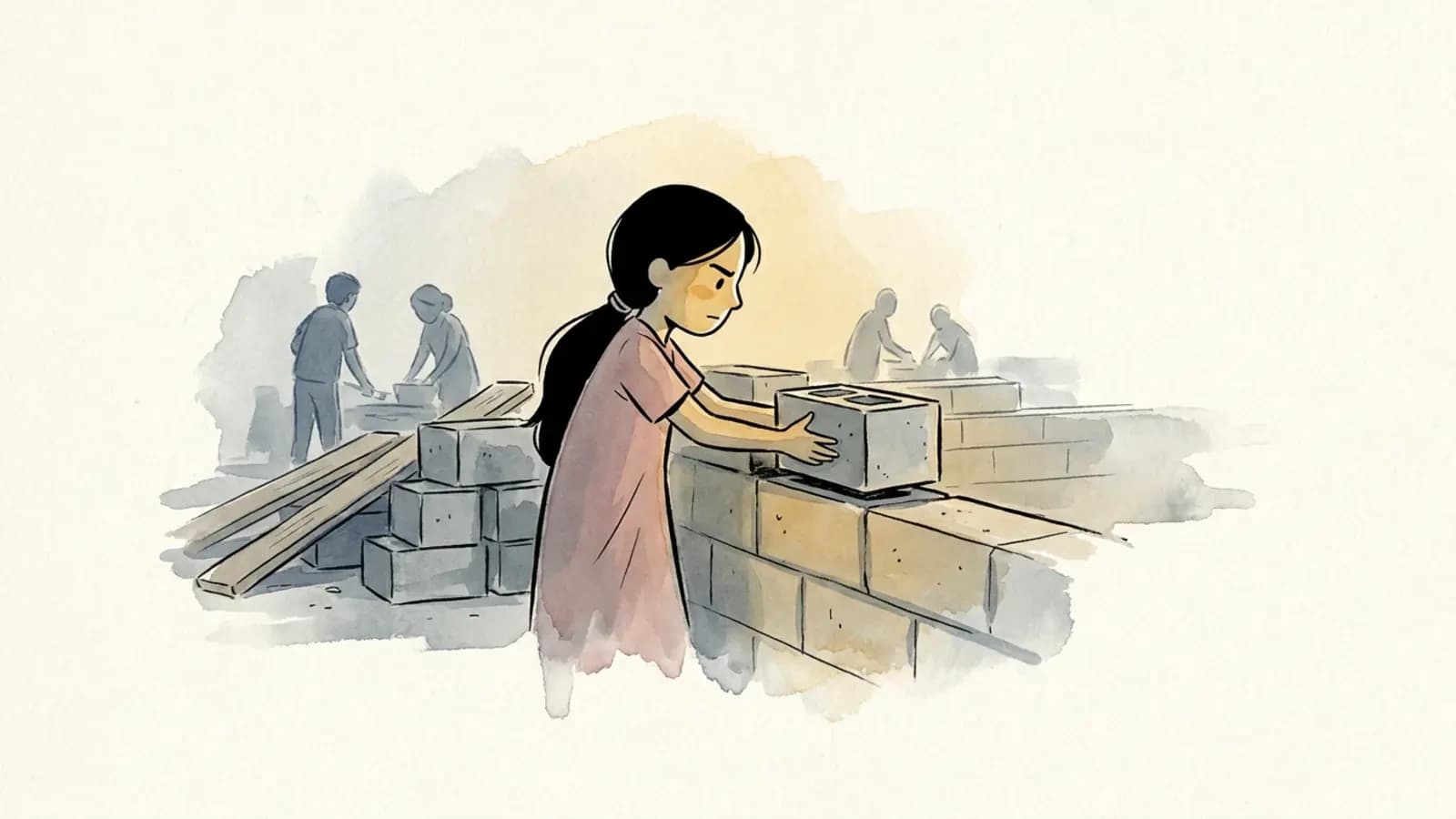
But despite everything, despite the pain, we did not stop. We began from zero, from nothing. We learnt how to make warmth from cold, how to transform exhaustion into strength and loss into determination. We built our lives piece by piece, as a house is built stone upon stone, with faith and conviction that we deserve better.
The road was not easy. We learnt that the occupation can, of course, demolish houses, but it can never demolish hope. It can steal the land, but it can never steal the spirit. We carried the memory of that night in our hearts and minds — its cold and its fear and its pain — but it was not the end of the story. It was the beginning.
For the camp will remain pulsing with humanity and hope and life. Every house in it carries stories and memories, every child in it carries a dream, every woman in it weaves patience, every man in it creates hope, and every stone in it will be witness to the will to live.
The End
Ghazal Mhanna, 15 — Trainers’ Academy, Tulkarm
He sat on his bench in the garden sipping his coffee quietly, enjoying the warm sunshine and the gentle spring breeze. Usaid glanced towards the wall to find that its shadow had disappeared…
Yousef Ayyash, 15 — Trainers’ Academy, Tulkarm
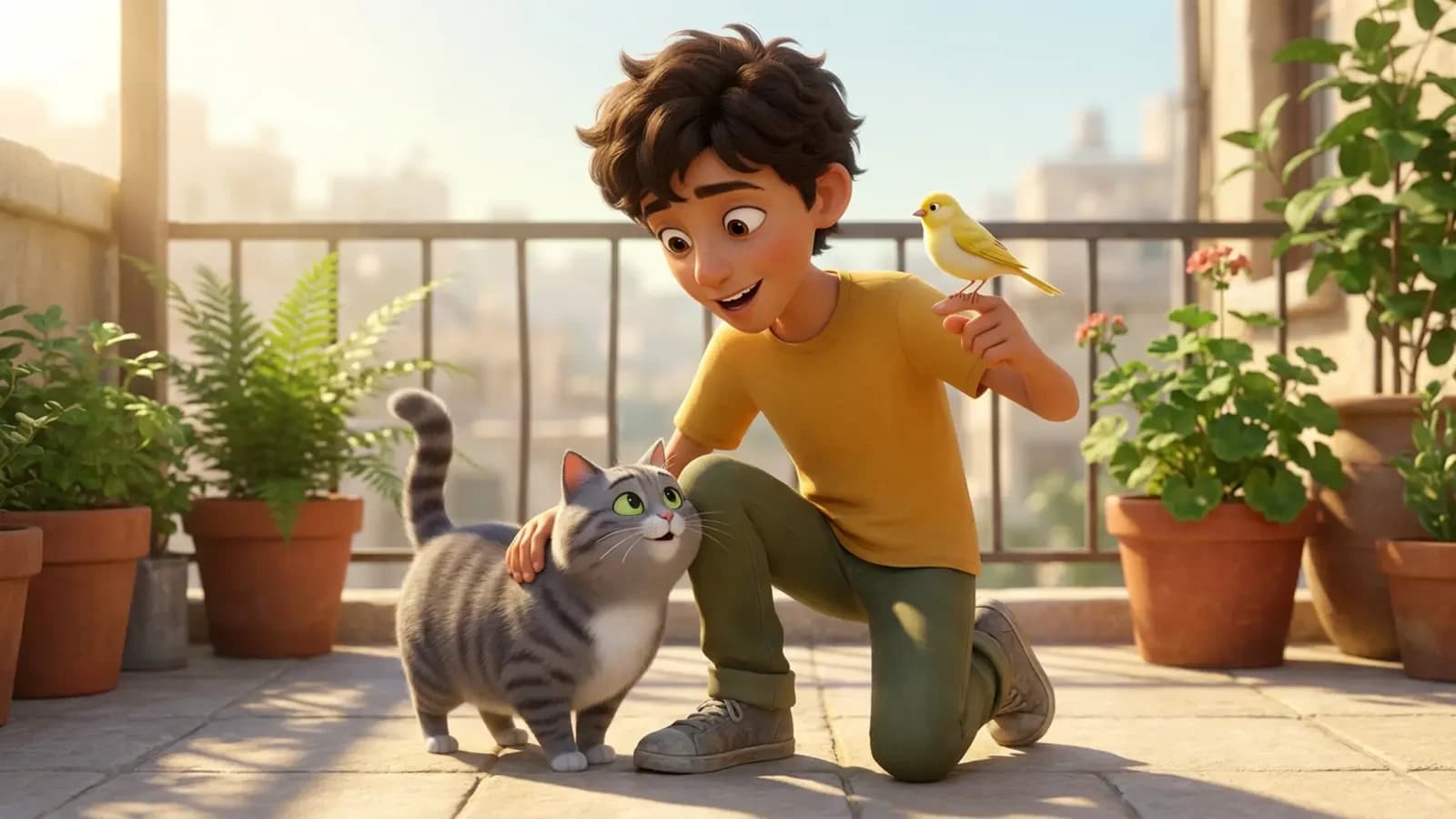
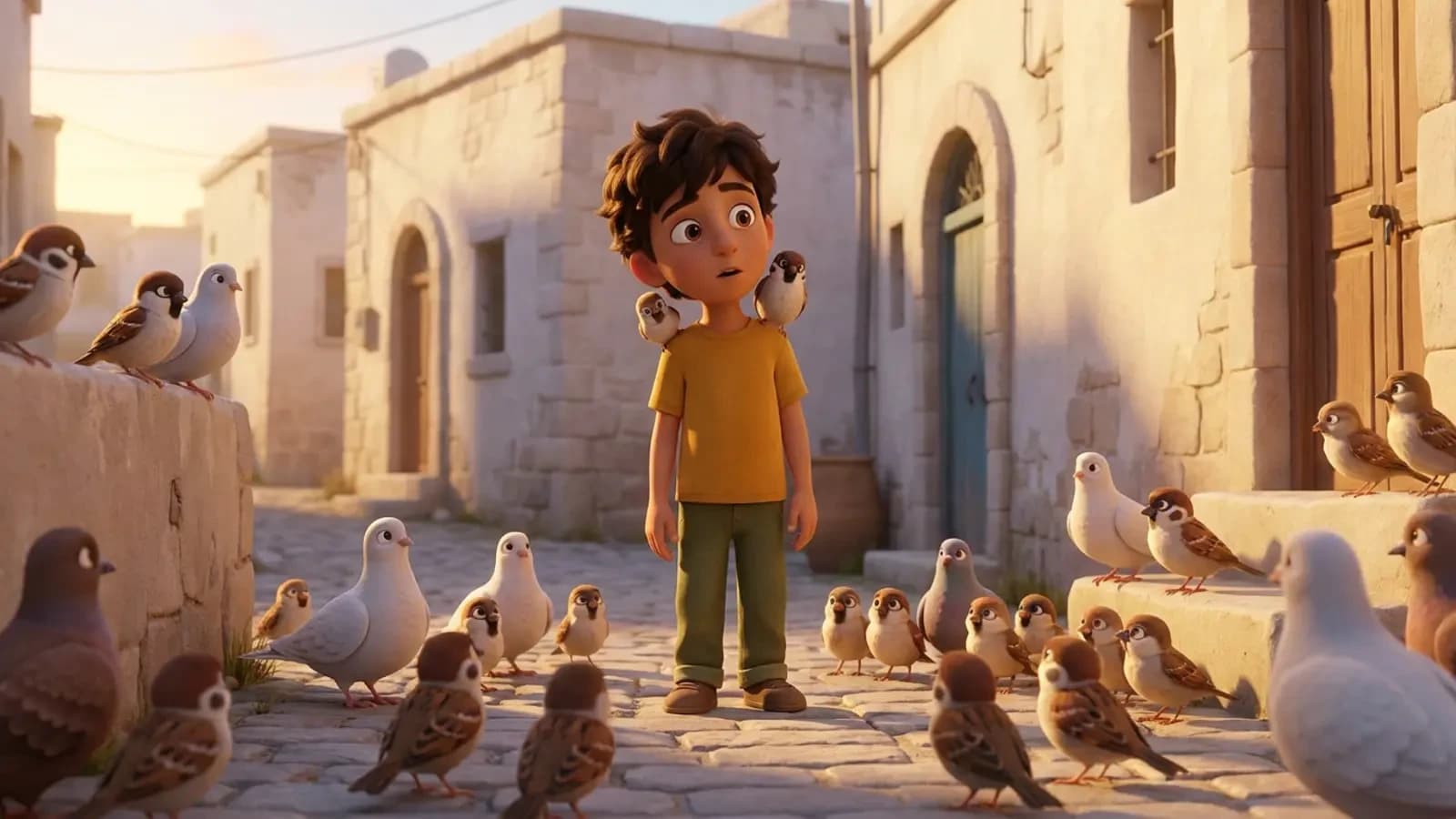
I’m Yousef. Ever since I was little I’ve dreamt of talking to animals and birds. I used to wish I could speak to my cat Zumurrud to find out if he was hungry or ill, or talk to my bird Shams to know whether he felt lonely or not…
Mohammed Nidal Abu Hamad, 15 — Jalazone Camp
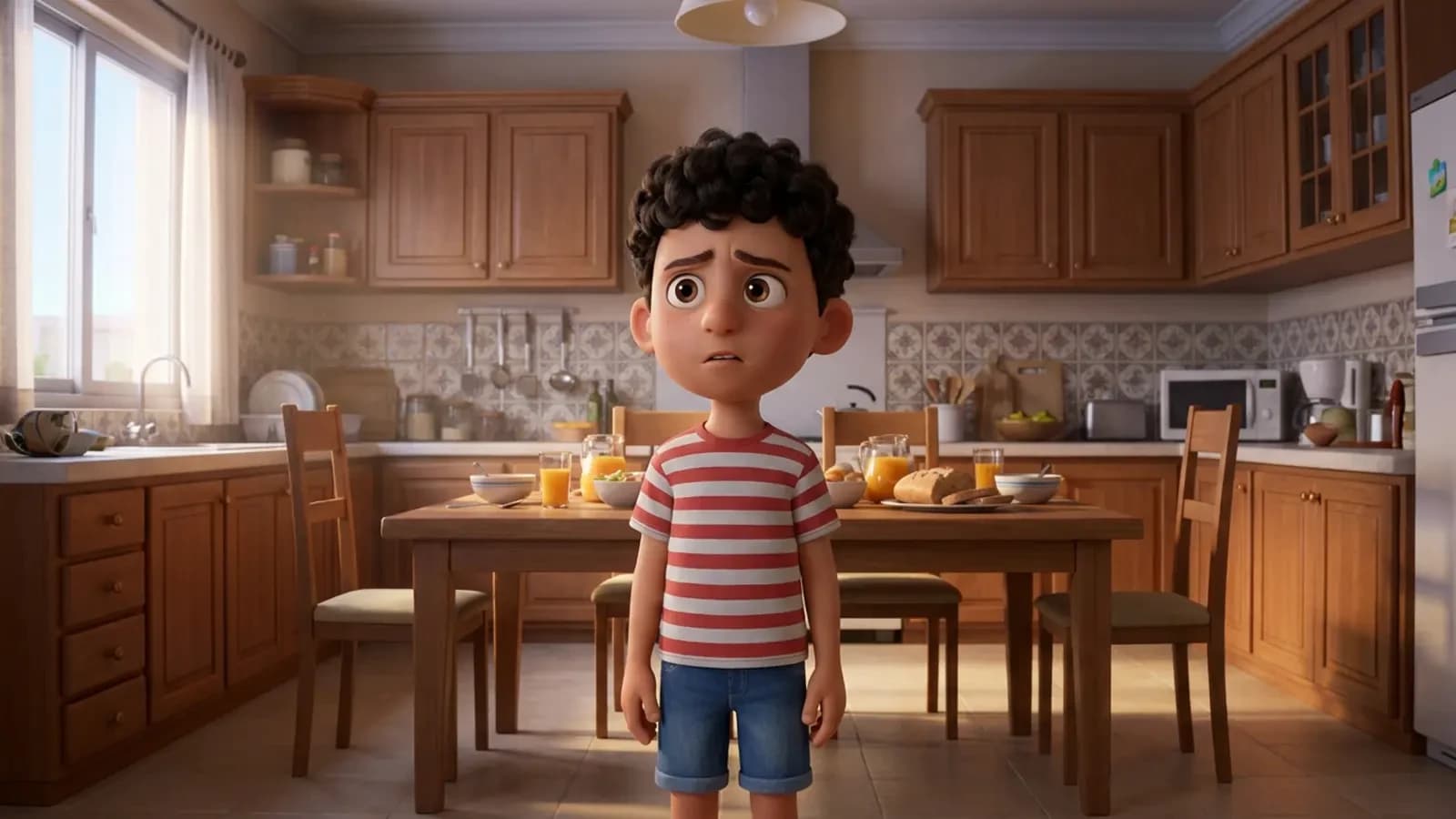
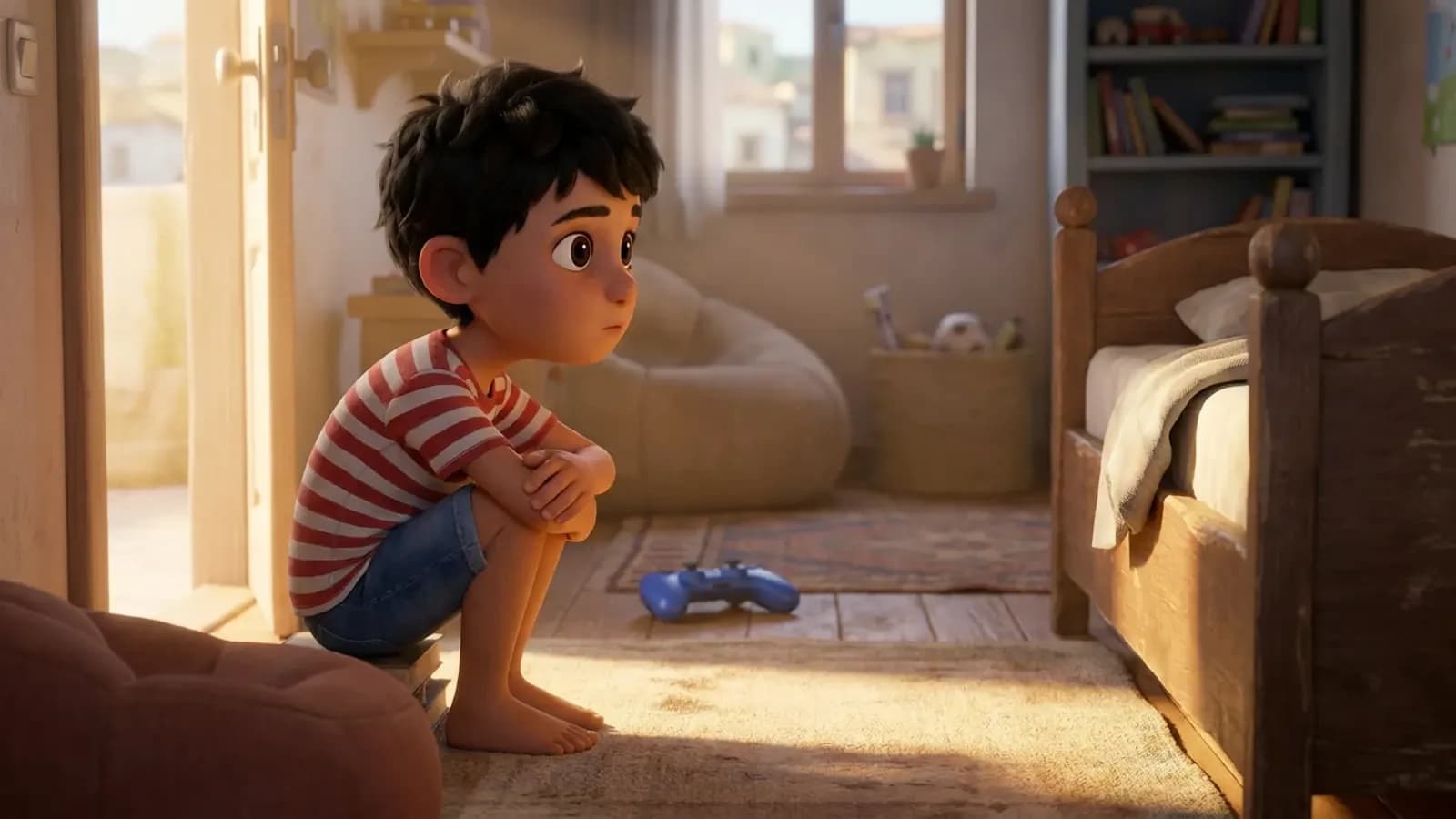
“Oh God, when I wake up, don’t let there be anyone in the house — not my mum, not my dad, not my brother, not my sister.” Rayyan prayed to his Lord in anger after his mother told him off for leaving the table just as it was when he’d finished eating, without putting his plate and spoon in…
Safaa Shweiki, 16 — Al-Hamawi Centre, Al-Eizariya/Jerusalem
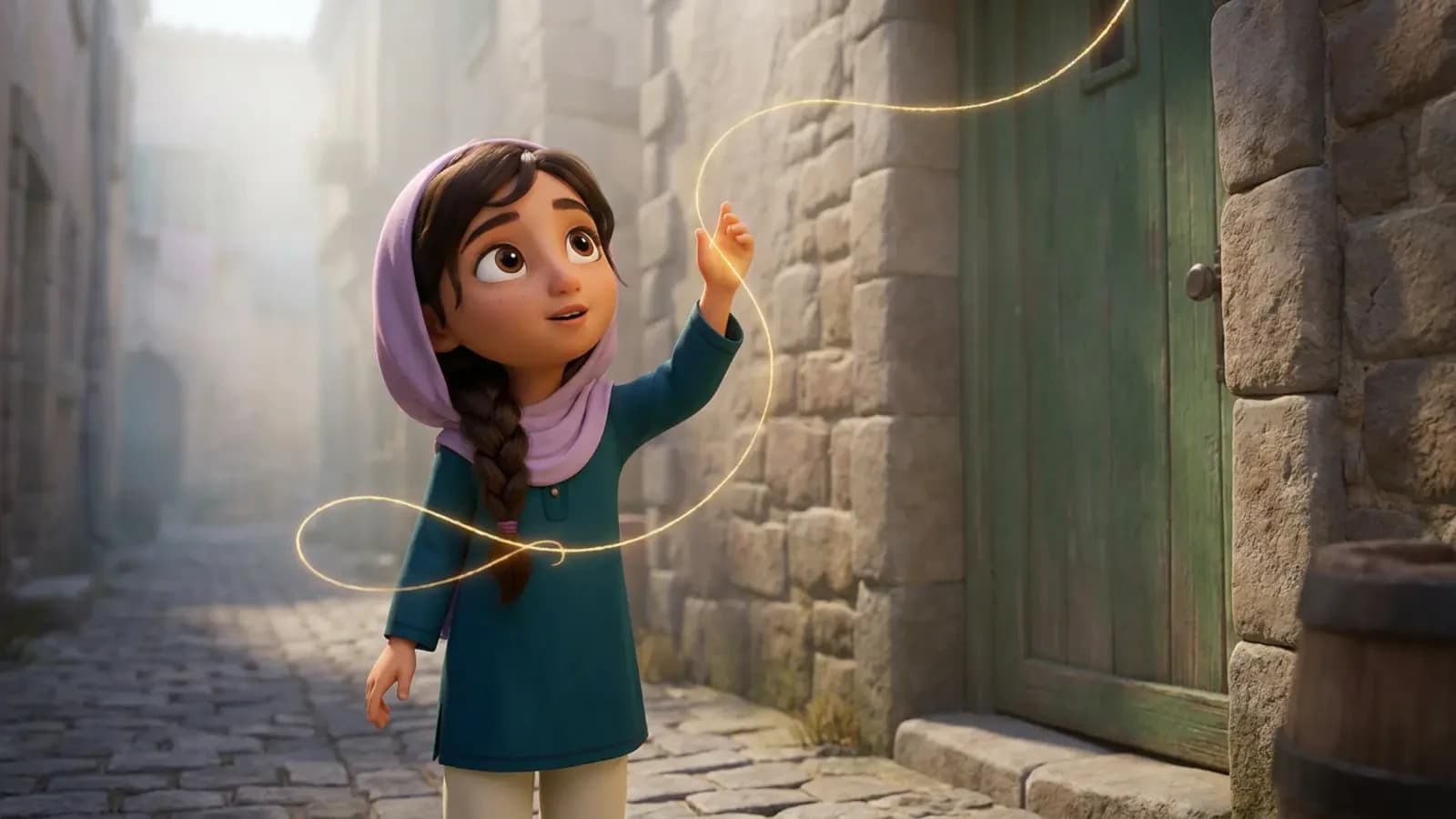
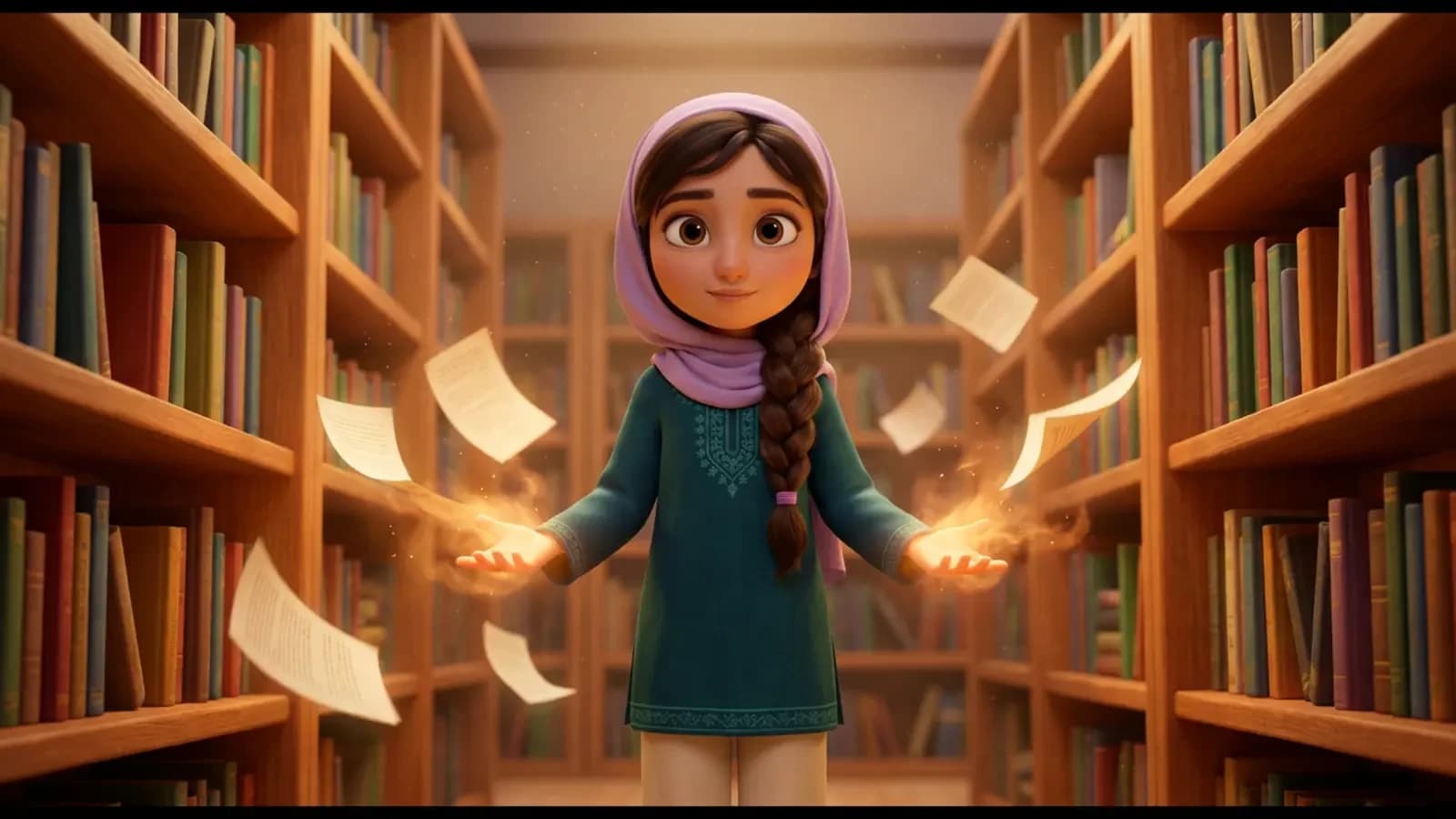
All my life I felt like a strange bird without a flock, but I didn’t understand why until that misty morning that turned my whole being upside down. I was walking in an old alley behind our house that smelt like earth after the first rain, and suddenly I saw…
Sarah Fathi Hammad, 16 — Al-Hamawi Centre, Al-Eizariya/Jerusalem
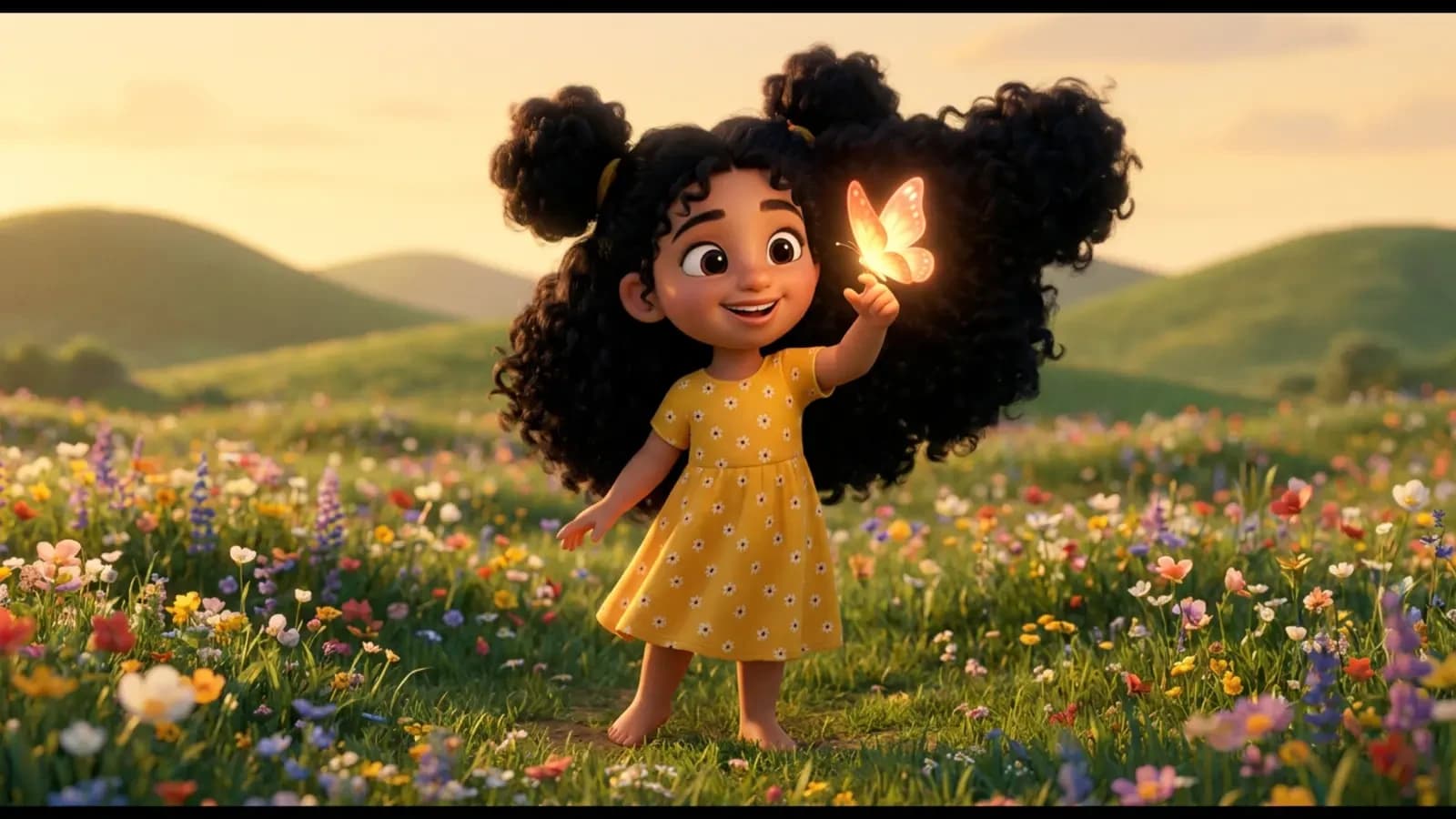
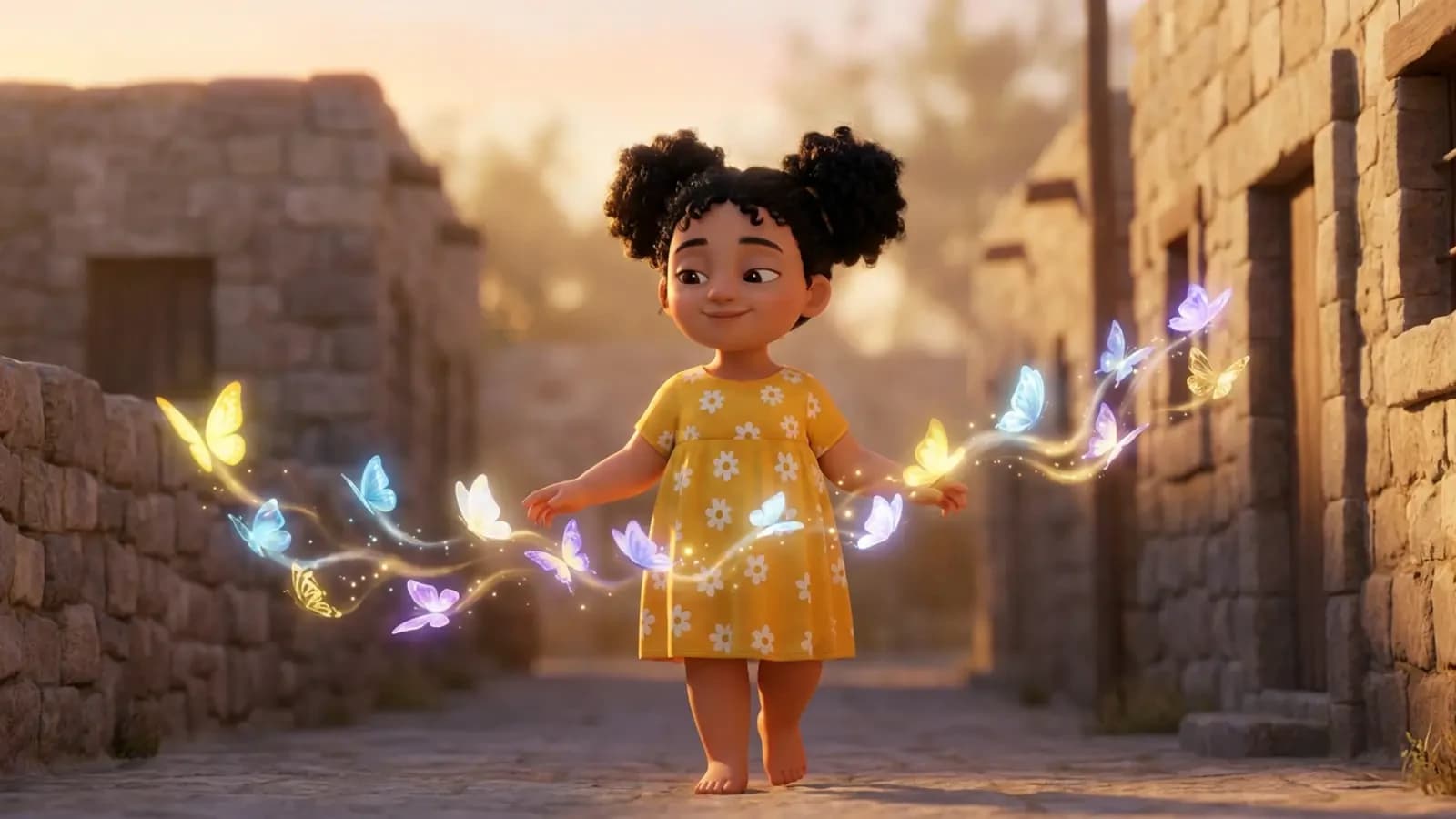
It began one day when little Rafi was playing alone amongst the flowers. She reached her hand into the air as though catching the sunlight, and suddenly felt a warm tingle in her palm. She opened her hand and found a small, glowing butterfly circling round her…
Maria Samer Nawasra, 15 — Al-Hamawi Centre, Al-Eizariya/Jerusalem
My brother was killed, and we never knew who killed him, but we believe in the depths of our souls that the real killer was my brother himself. He was not a bad person — on the contrary, he was kind, cheerful, good-hearted and handsome…
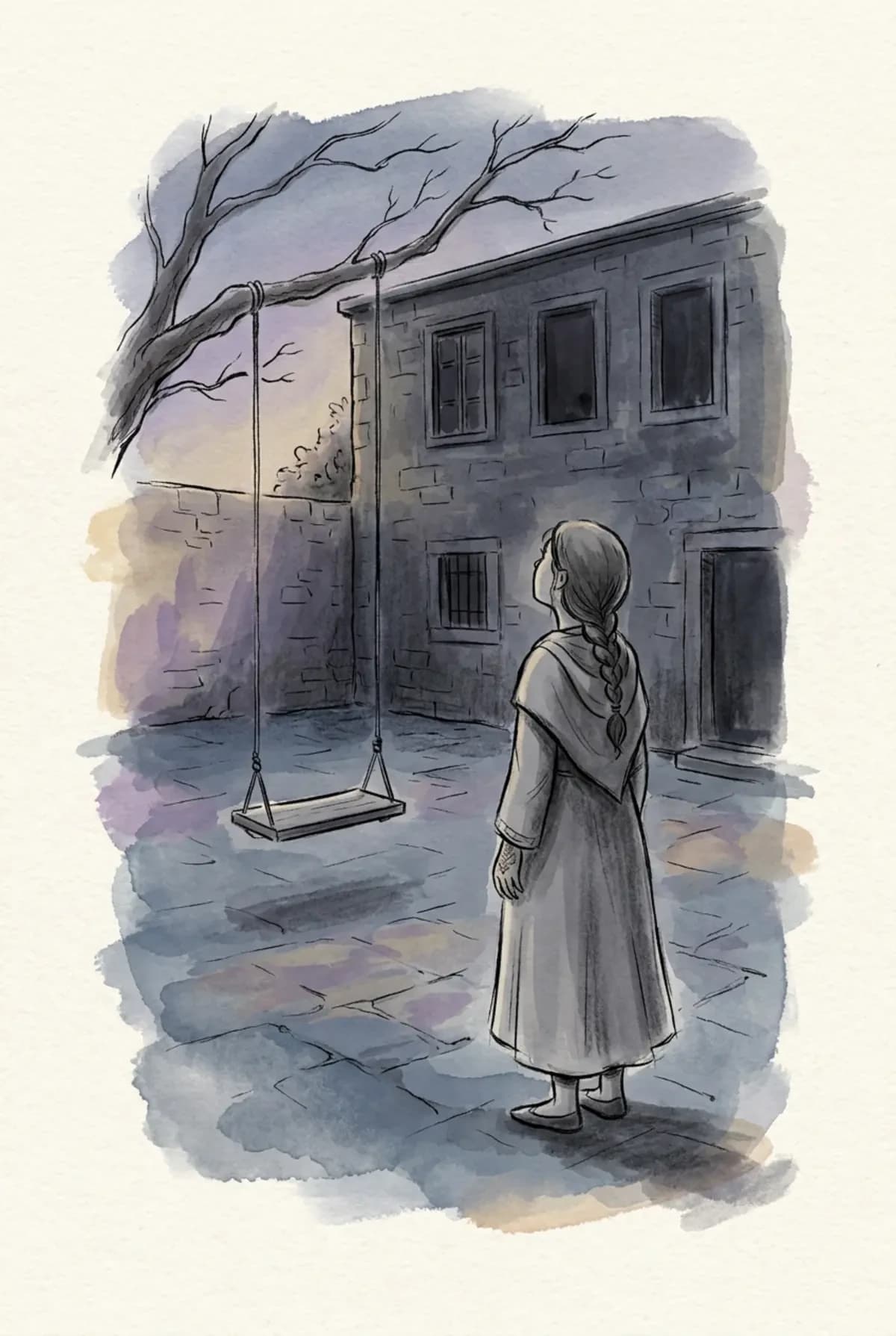
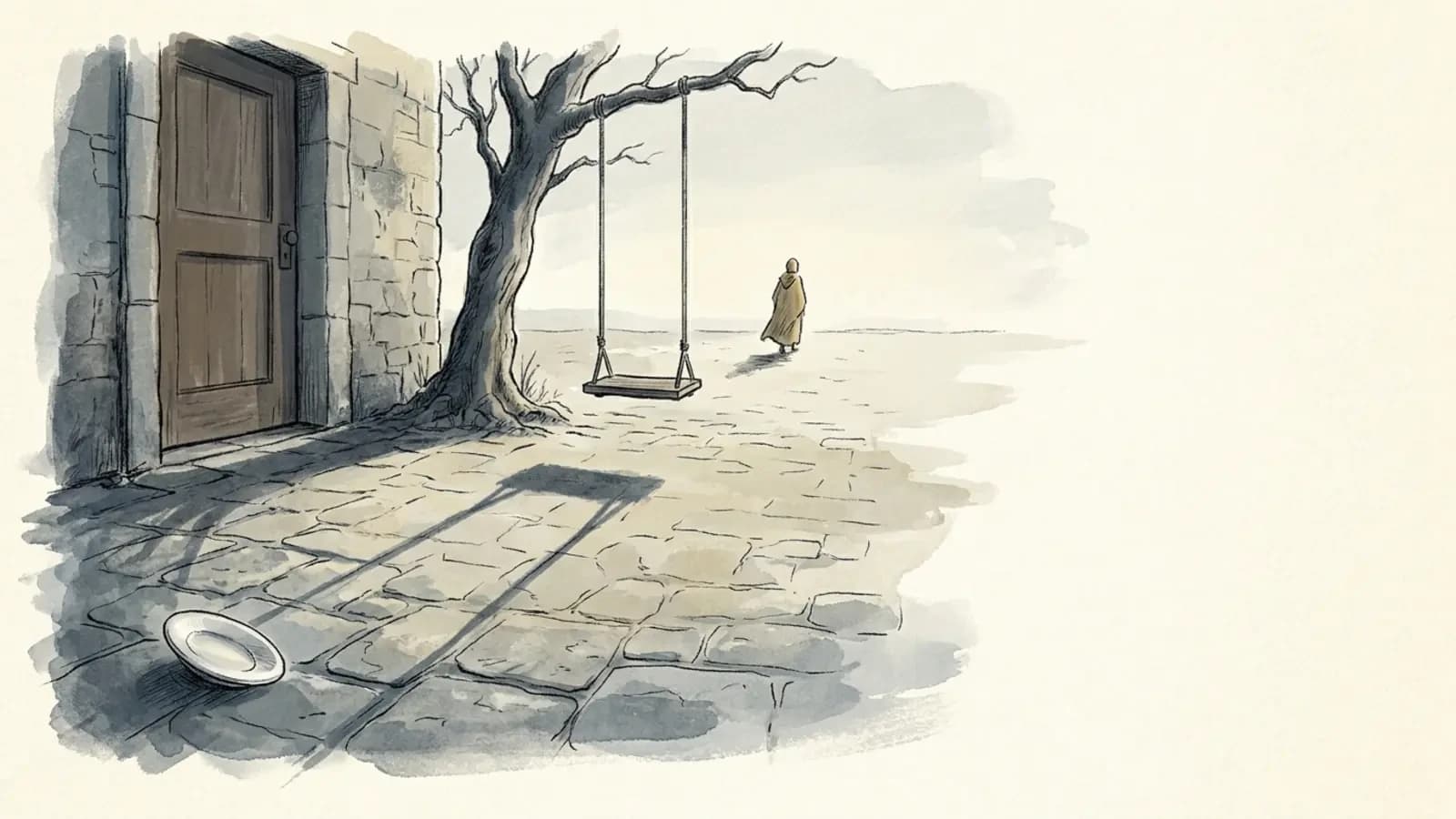
Maryam al-Ja’bari, 20 — Hebron
In the name of God, the Most Gracious, the Most Merciful
Maram al-Amlah, 25 — Hebron
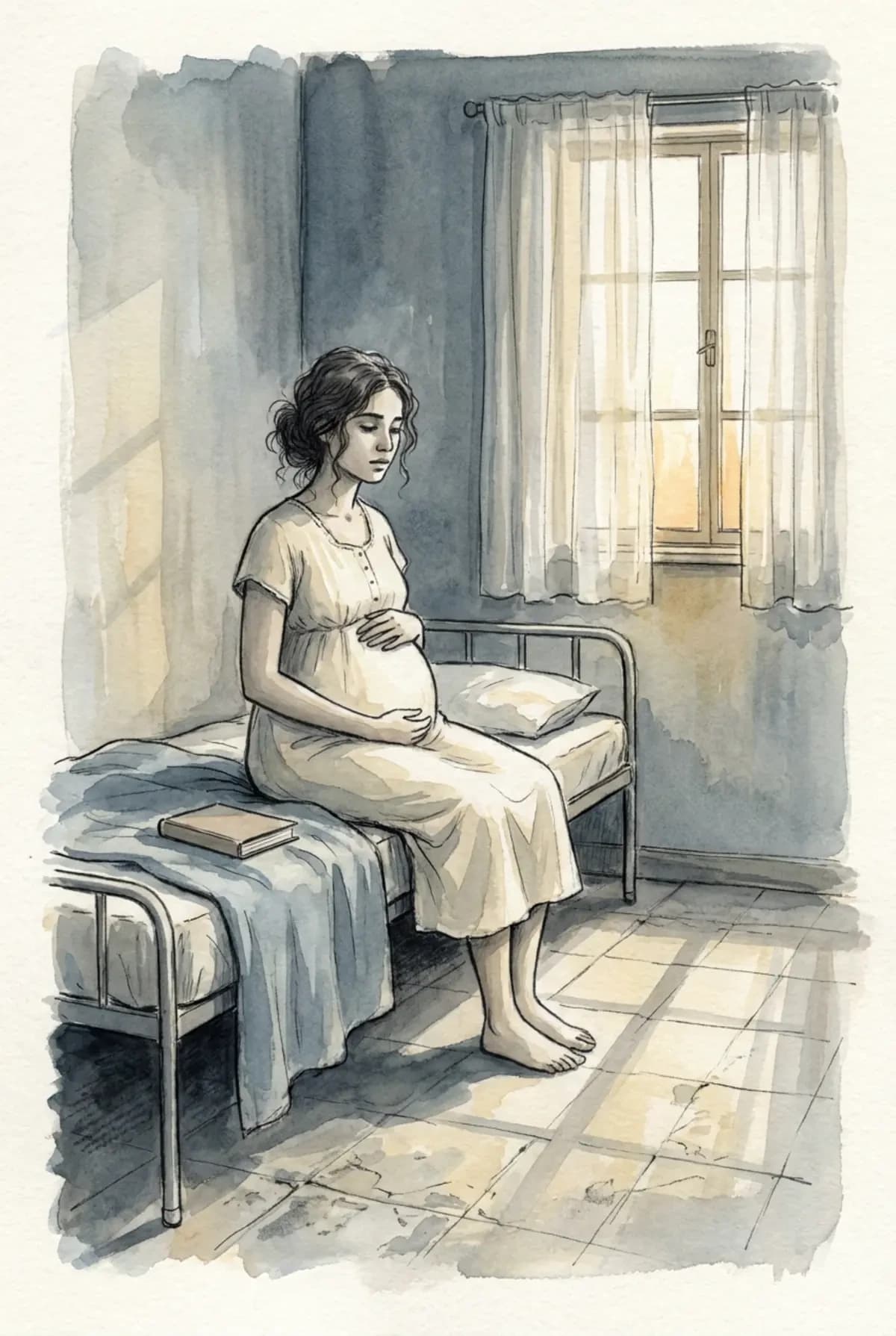
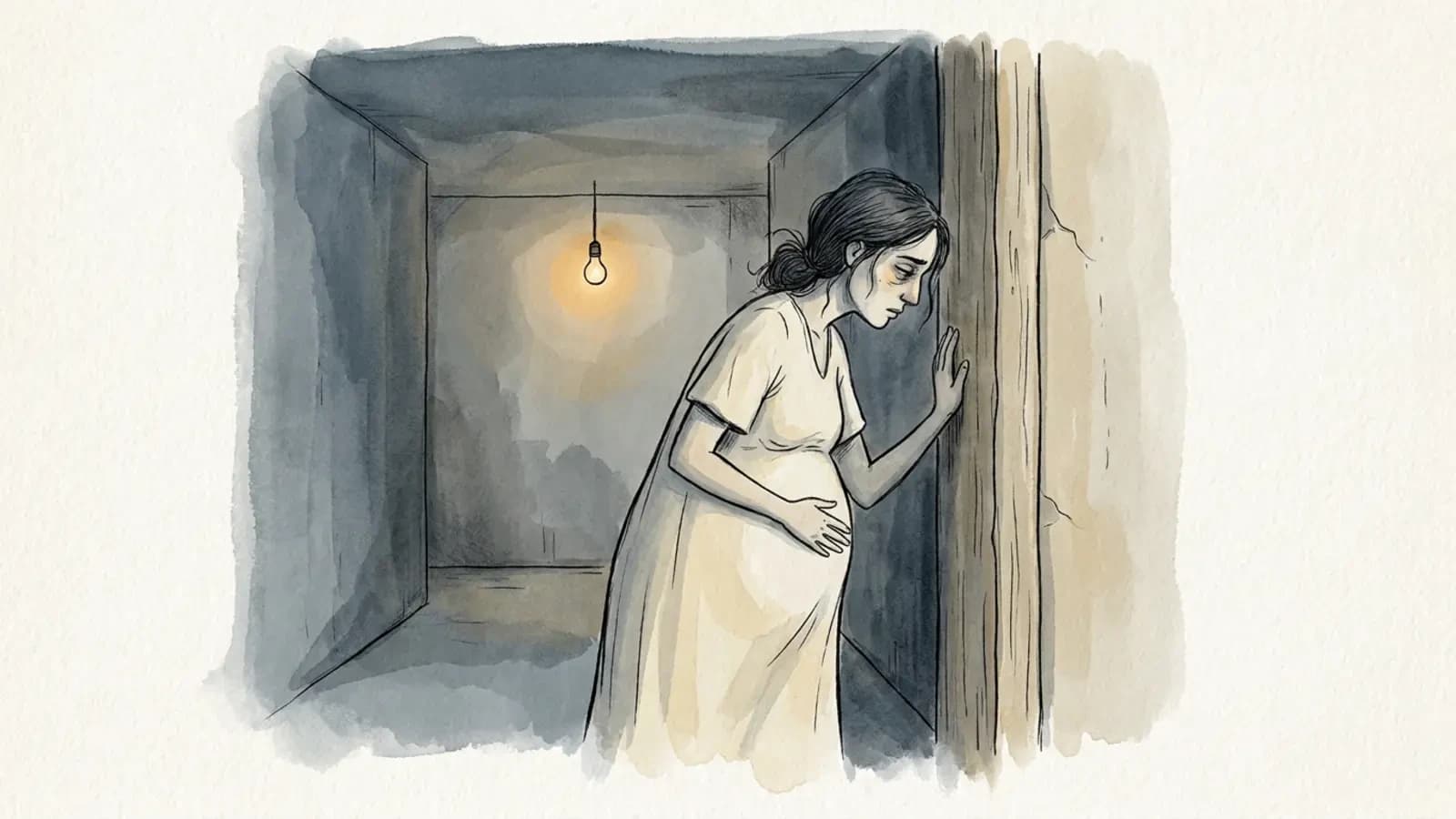
The foetus thrashed in its mother’s womb as if beating war drums to herald labour. It was the fourth of June 2012 when the mistress of this battlefield realised she still had a month before she would deliver…
Nora Abu Maizar, 15 — Hebron
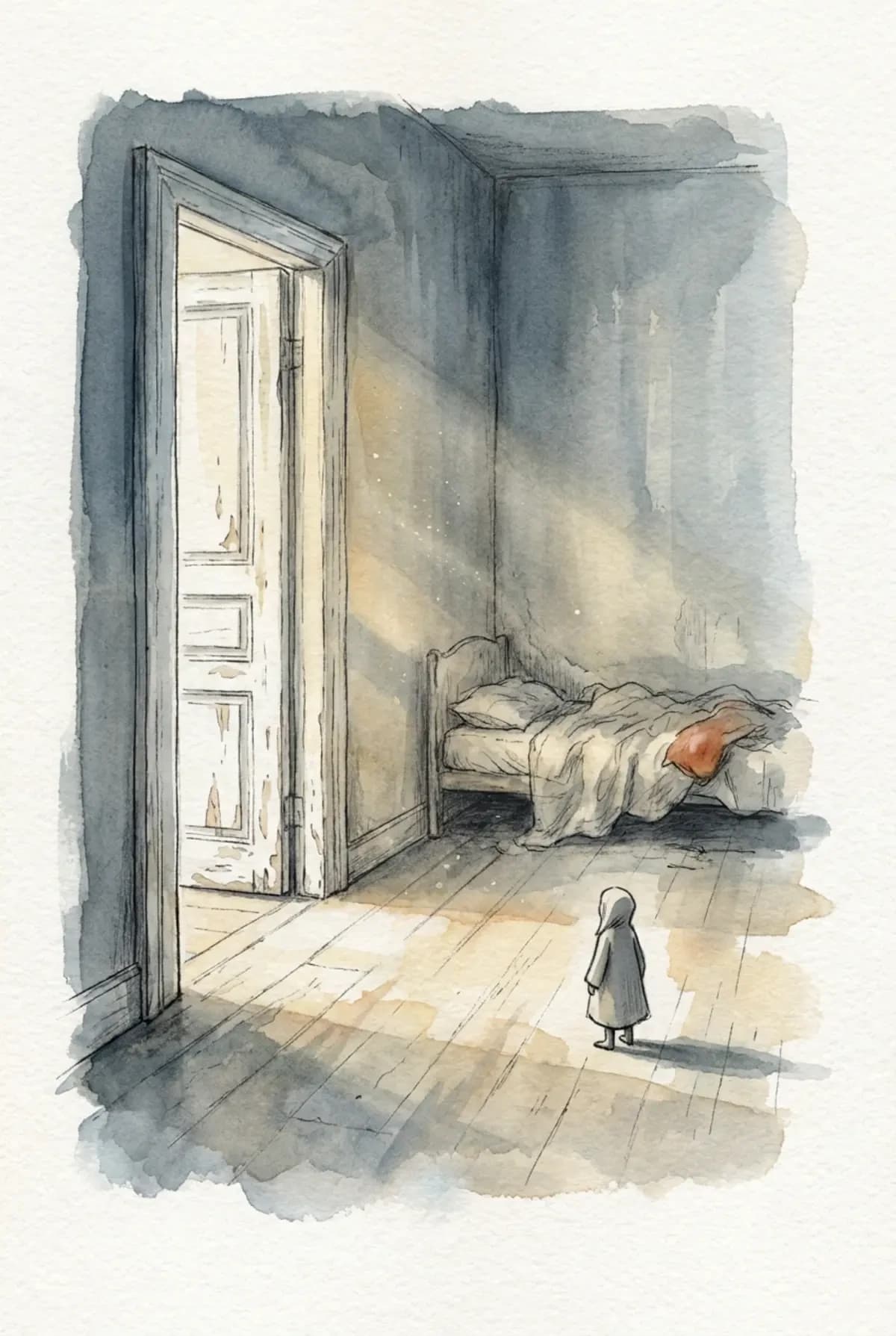
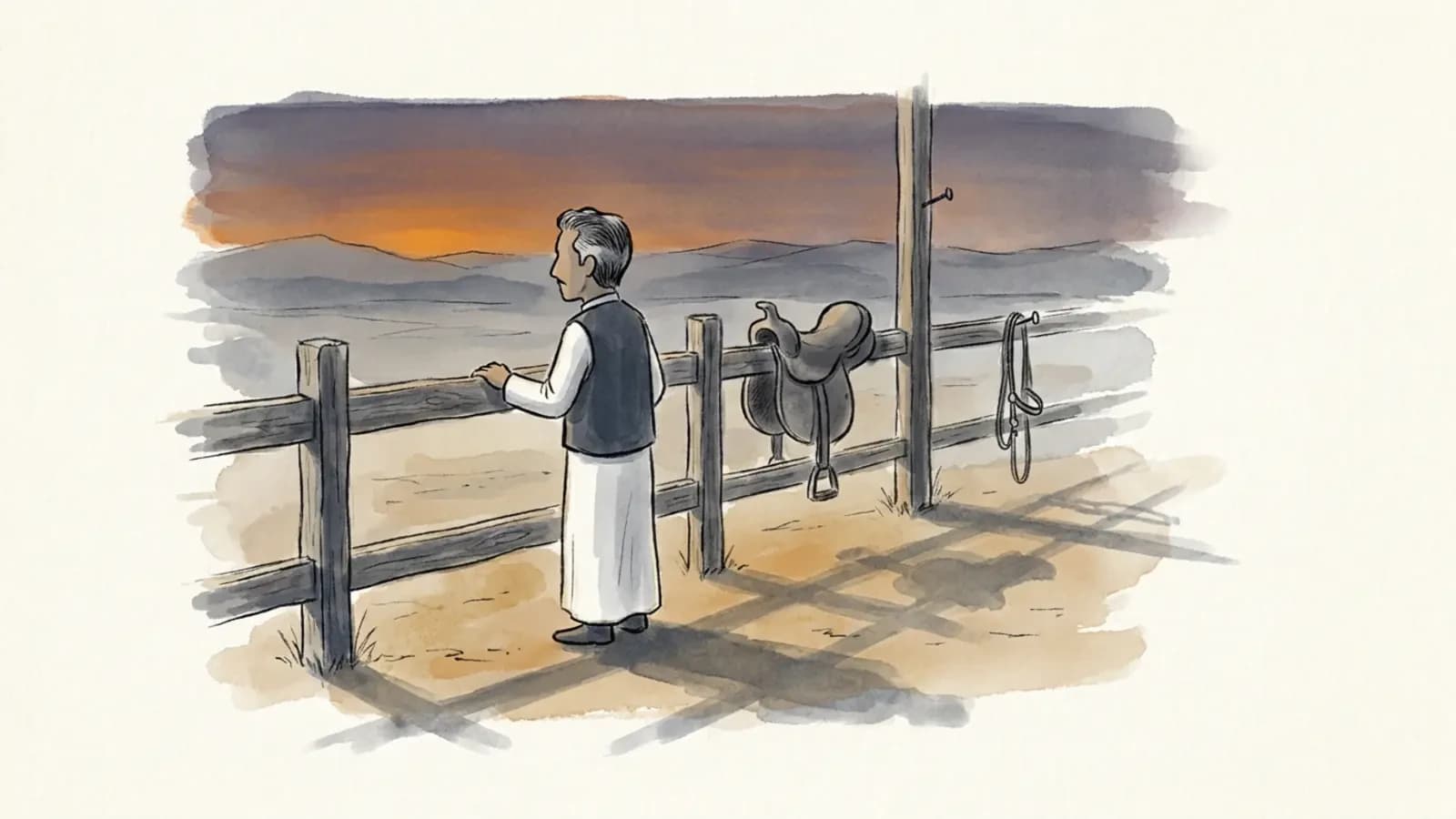
That voice has stayed in my memory since childhood… that gentle voice full of tenderness that woke me every morning: ‘Come on, darling, get up, let’s go out.’ I would open my eyes with difficulty to see him standing at…
Sadeel Abdul Karim al-Hashlamon, 15 — Hebron
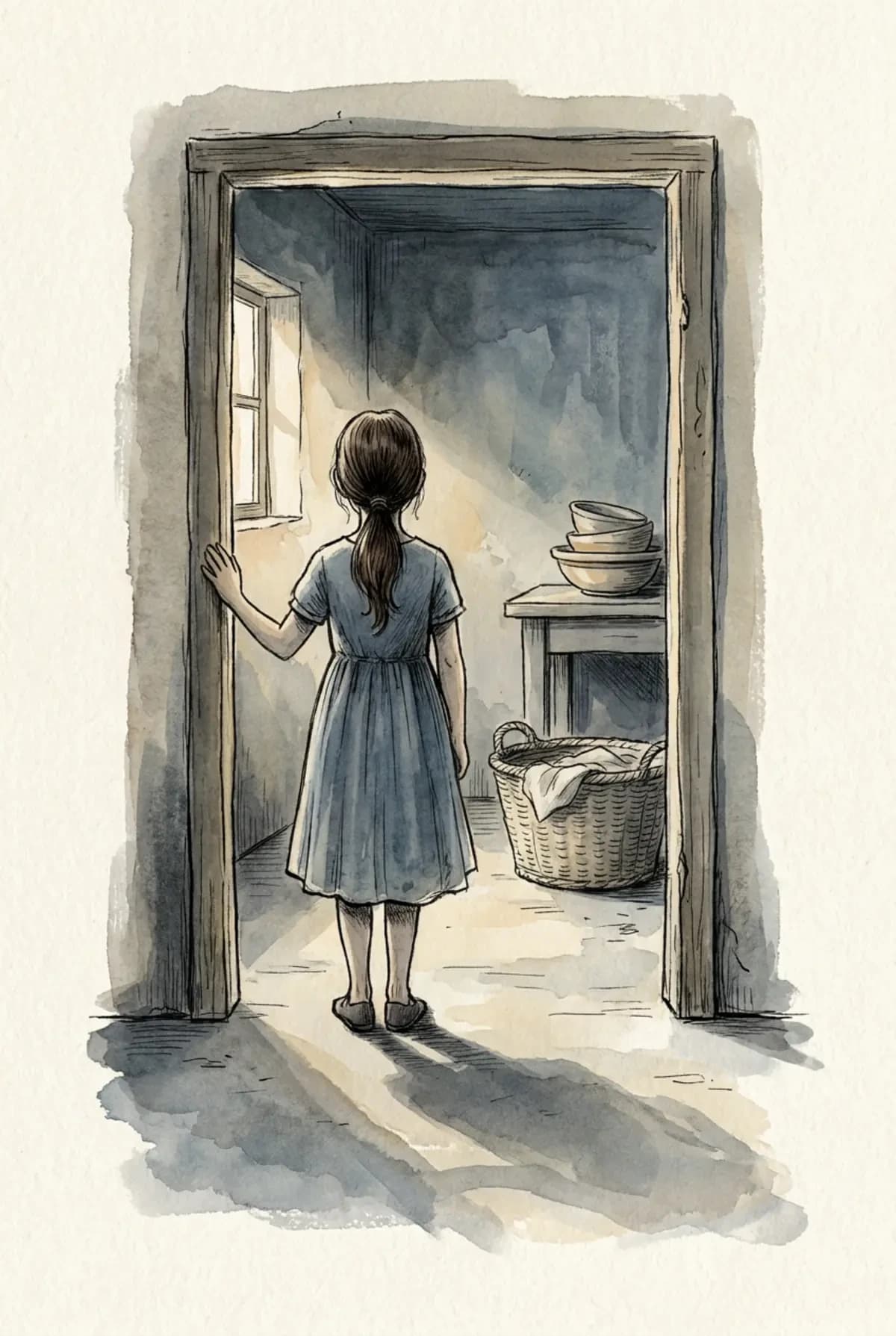
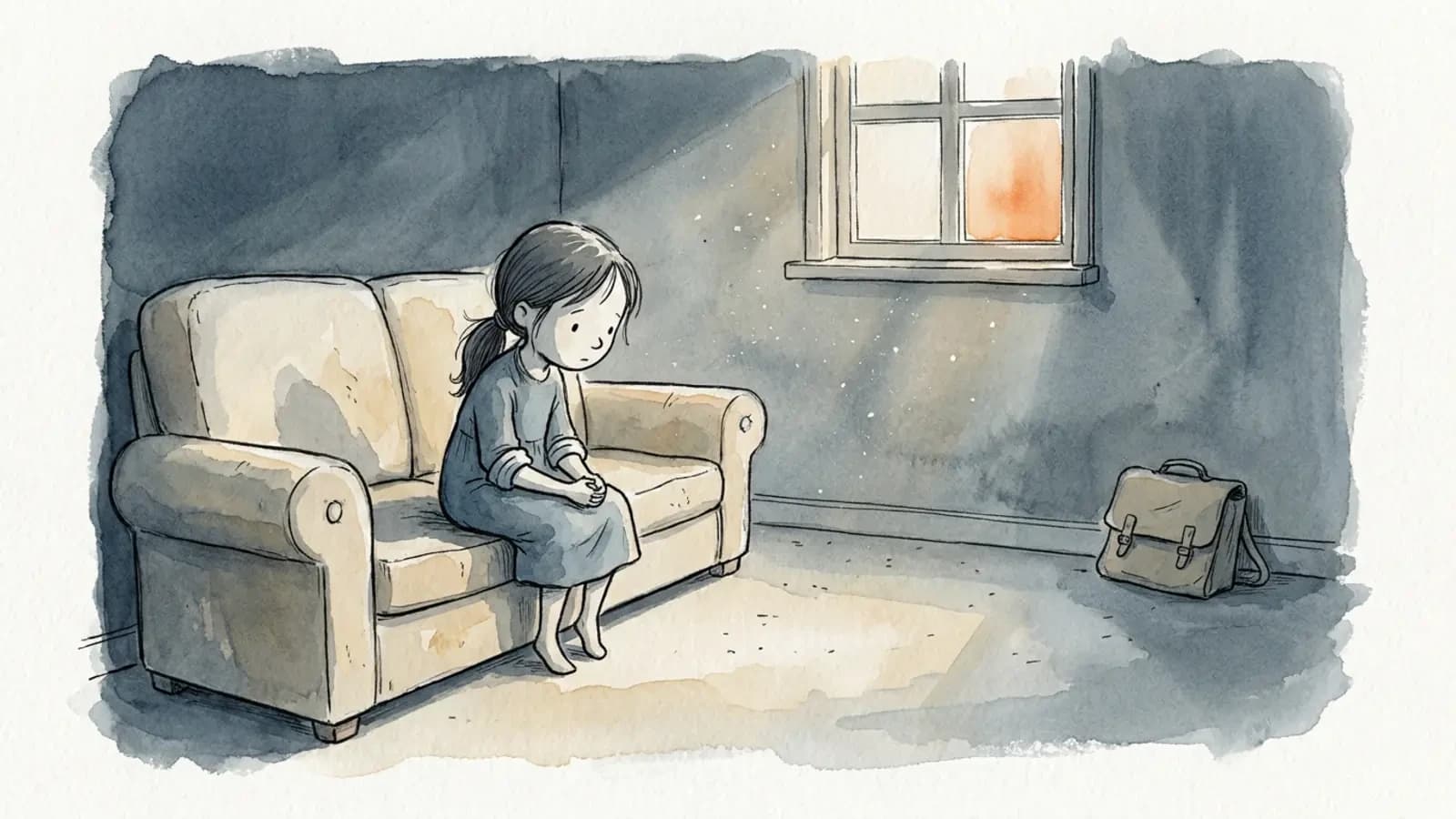
— You’re amazing, tidy the house…
Mira al-Muslimani, 15 — Hebron
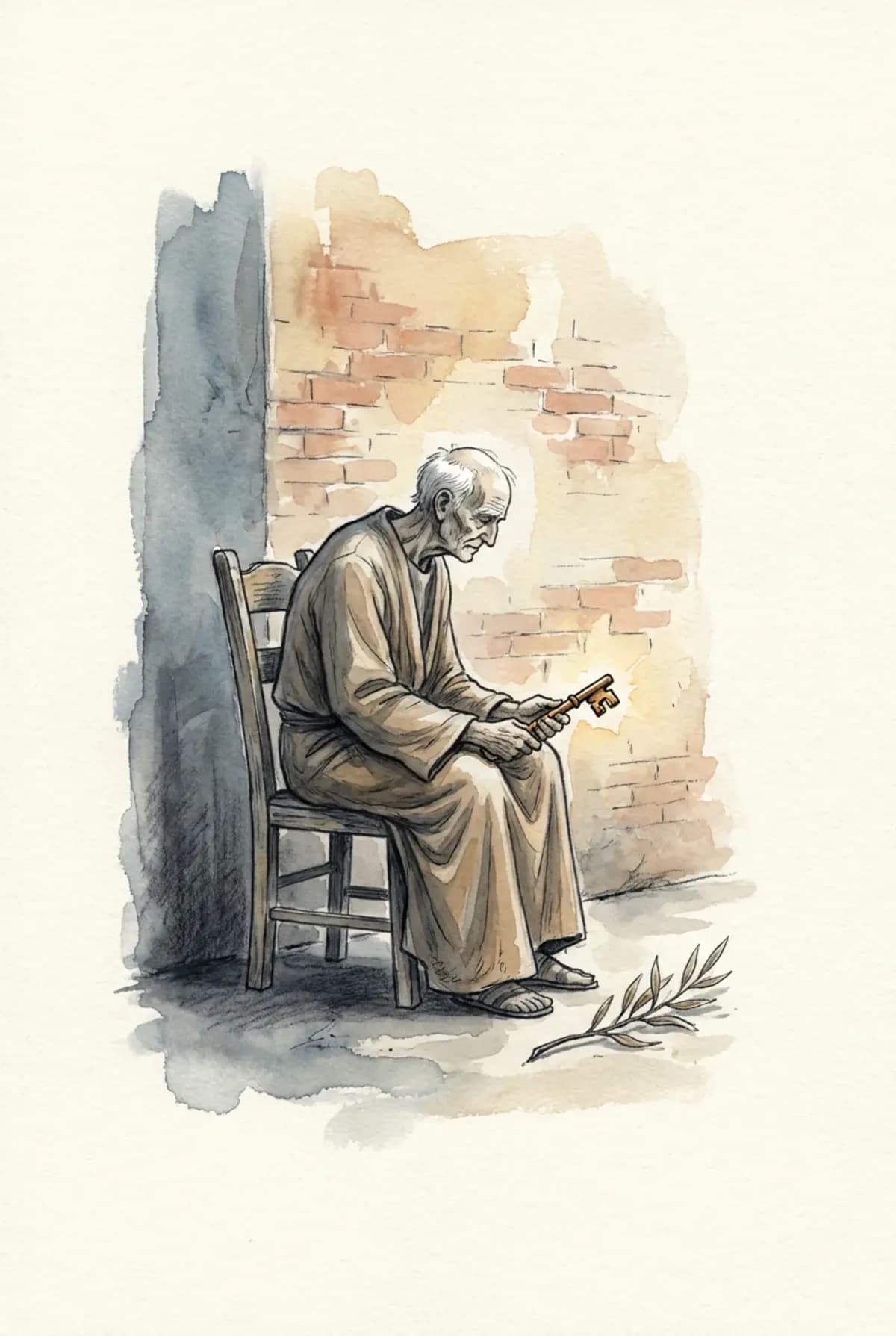
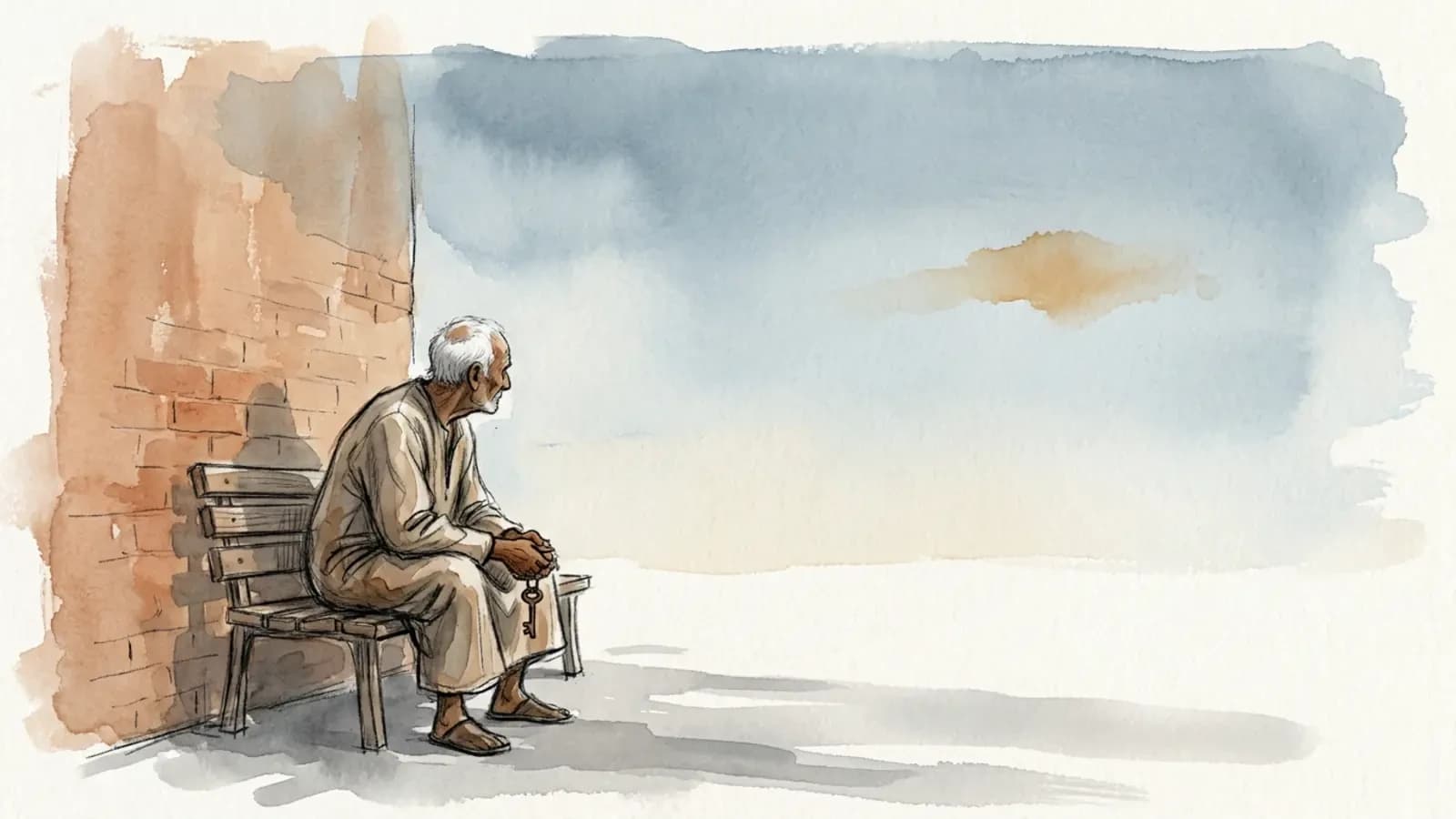
He was in his sixties, frail of build, white-haired, his back bent. His eyes, visible through the glass of his spectacles, were lost and weary. Abu Ibrahim sat on his old wooden chair in front of his house, built of…
Rama Khaled Abu Sarhan, 16 — Al-Ubeidiya
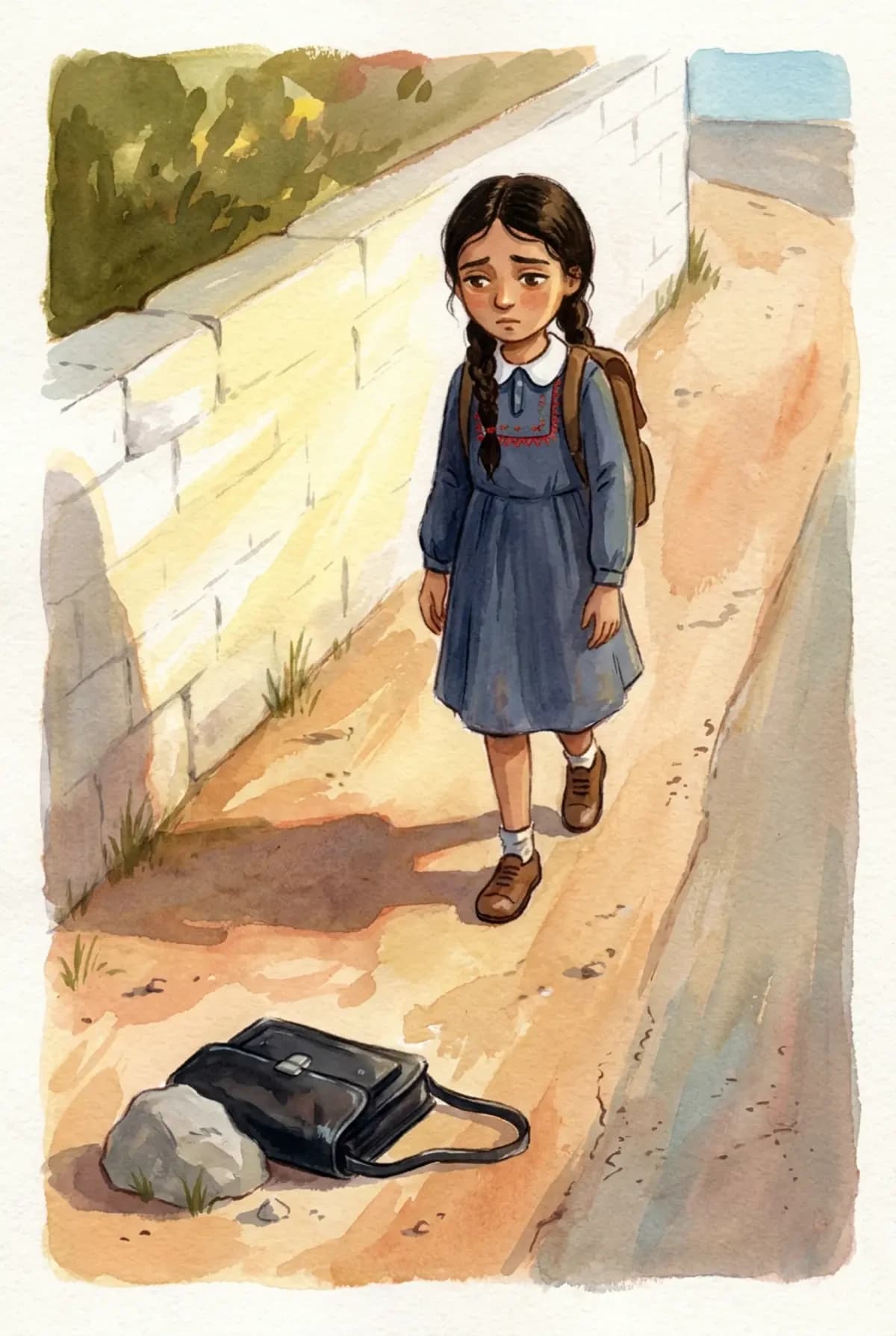
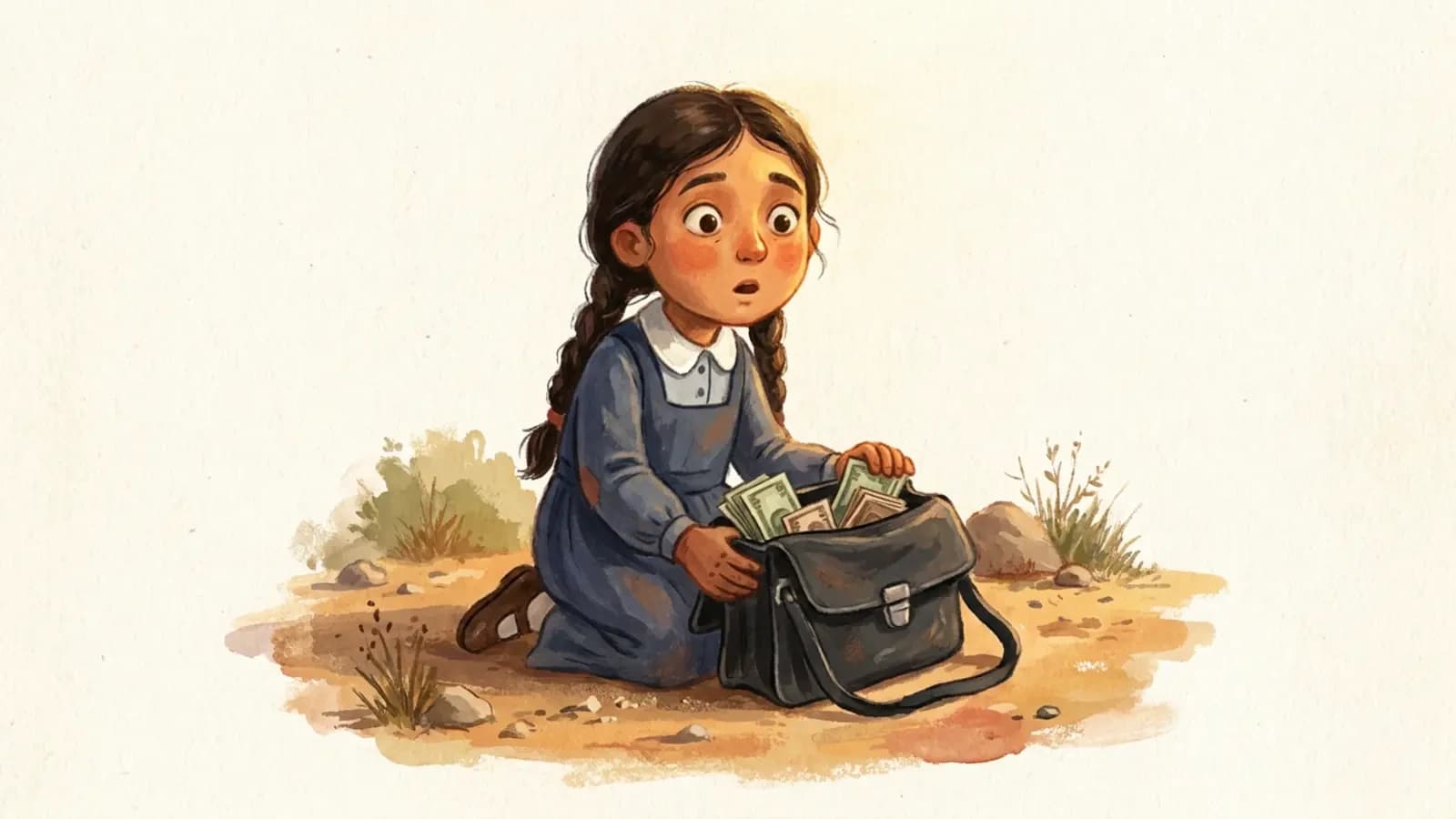
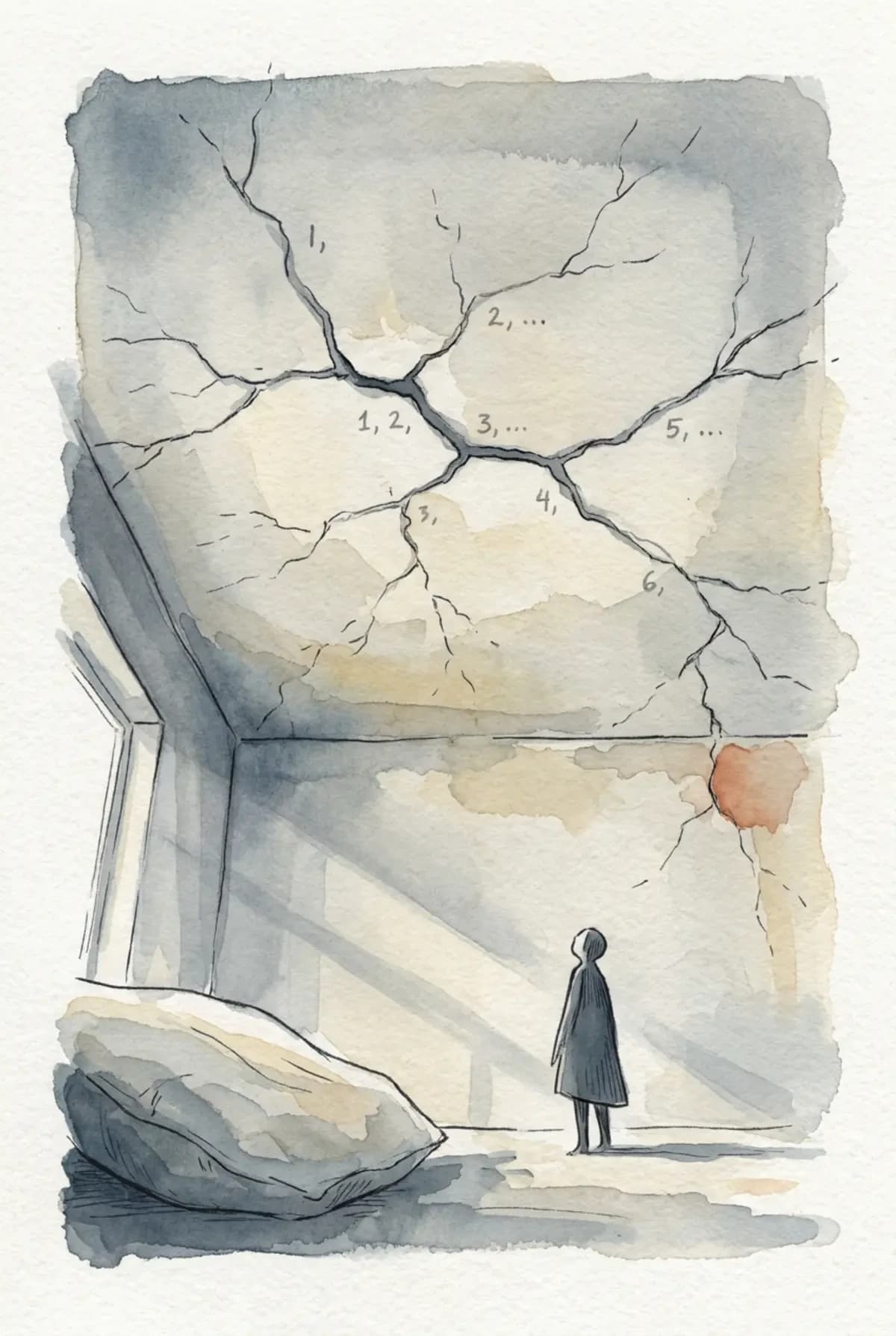
One day, as I was walking home from school thinking about our family’s difficult situation and the desperate poverty we suffer, I found a black leather bag lying at the side of the road. I looked around but saw no one…
Wasan Nidal al-Radayda, 15 — al-Ubaydiyya
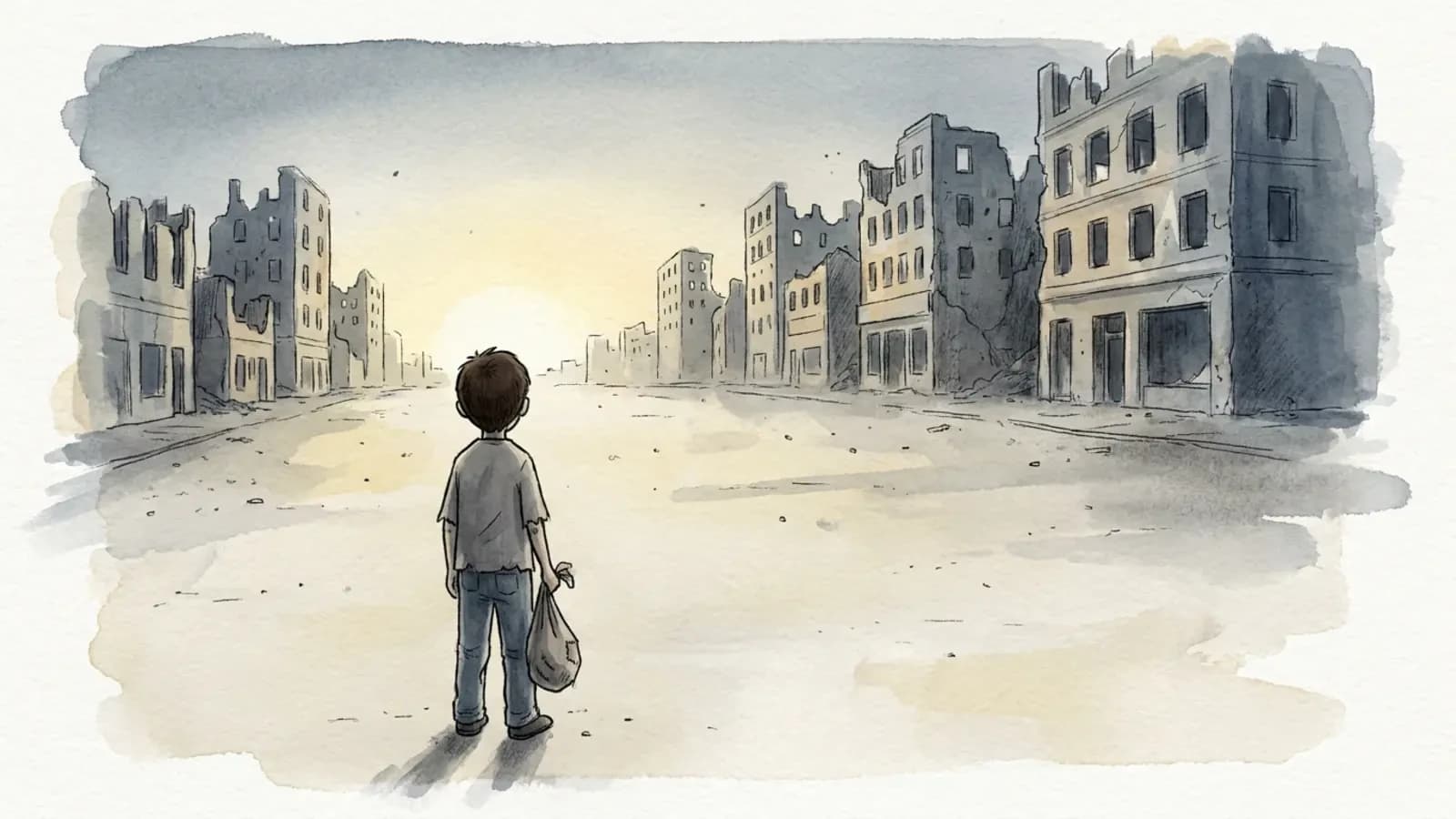
In Gaza, mornings do not wake to the sound of an alarm clock, but to a sound we have come to know well… the sound of the zanana, that small aircraft circling overhead that never leaves our sky, as if to remind us — though we have not forgotten — that…
Ritaj Mahmoud Sidr, 16 — Halhul
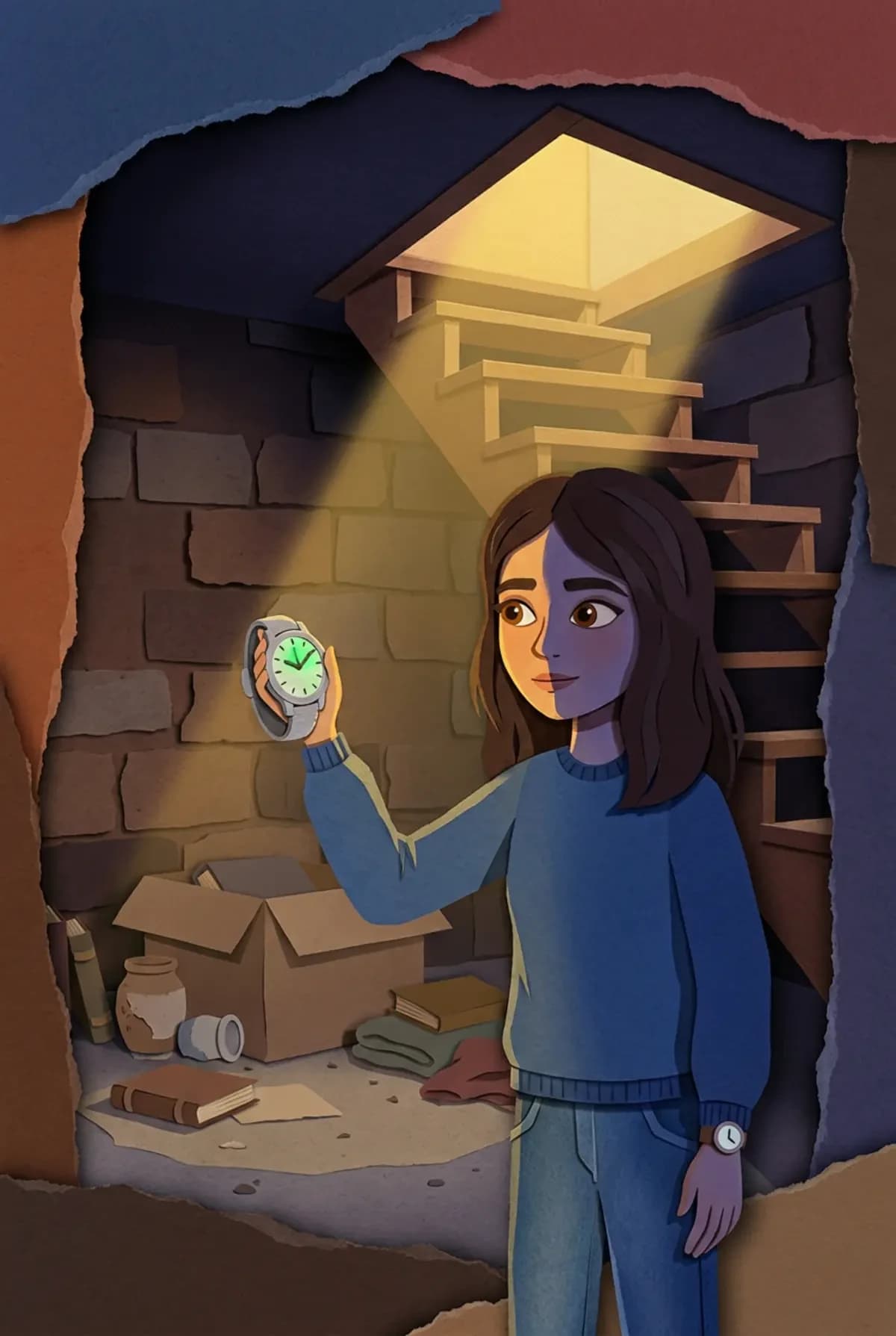
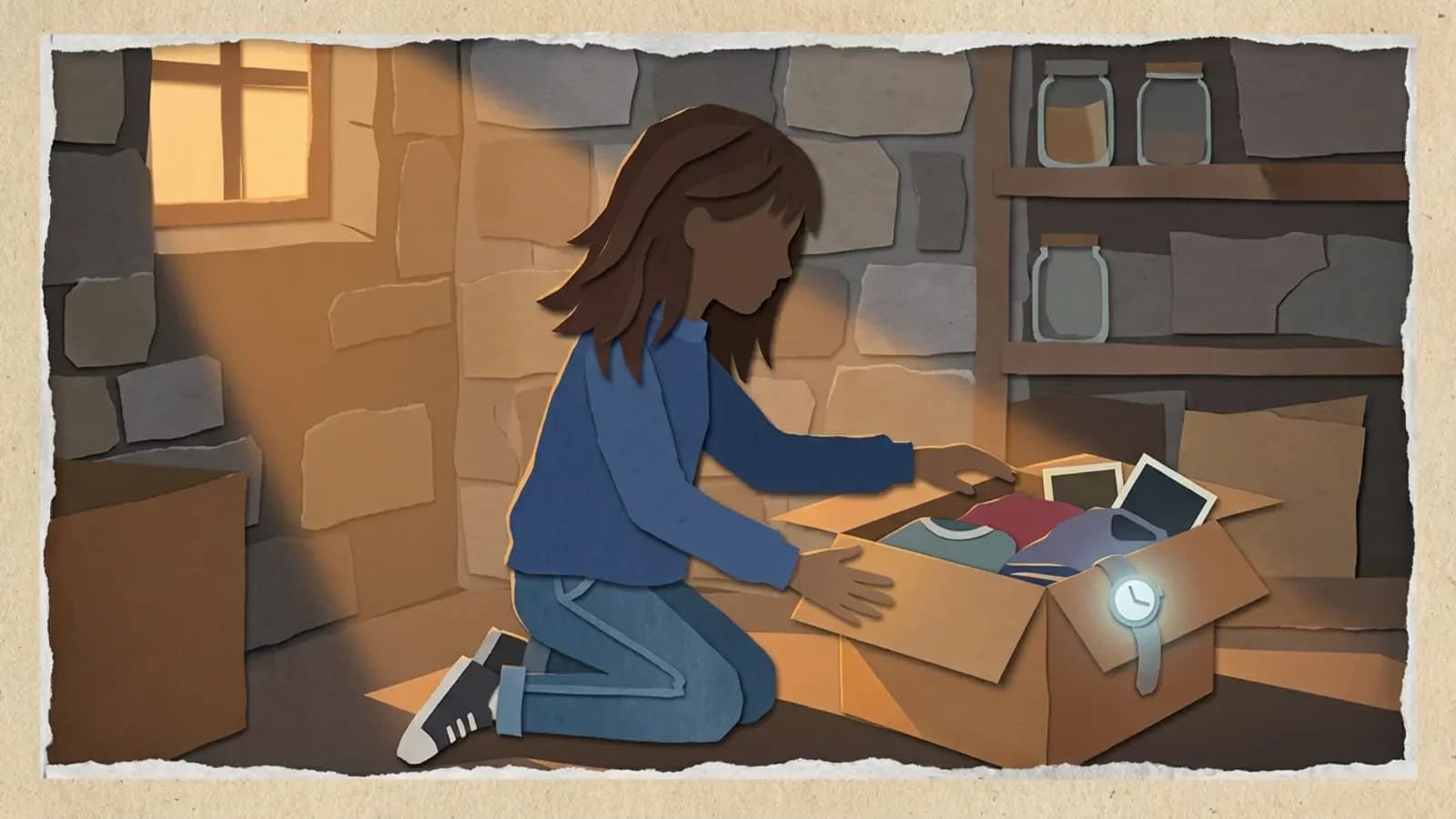
“Take these things and put them in the cellar, dear,” my mother said as she handed me a large cardboard box containing my late grandmother’s belongings, may God have mercy on her. I dragged the heavy box down into…
Lama Nidal Sadr, 15 — Halhul
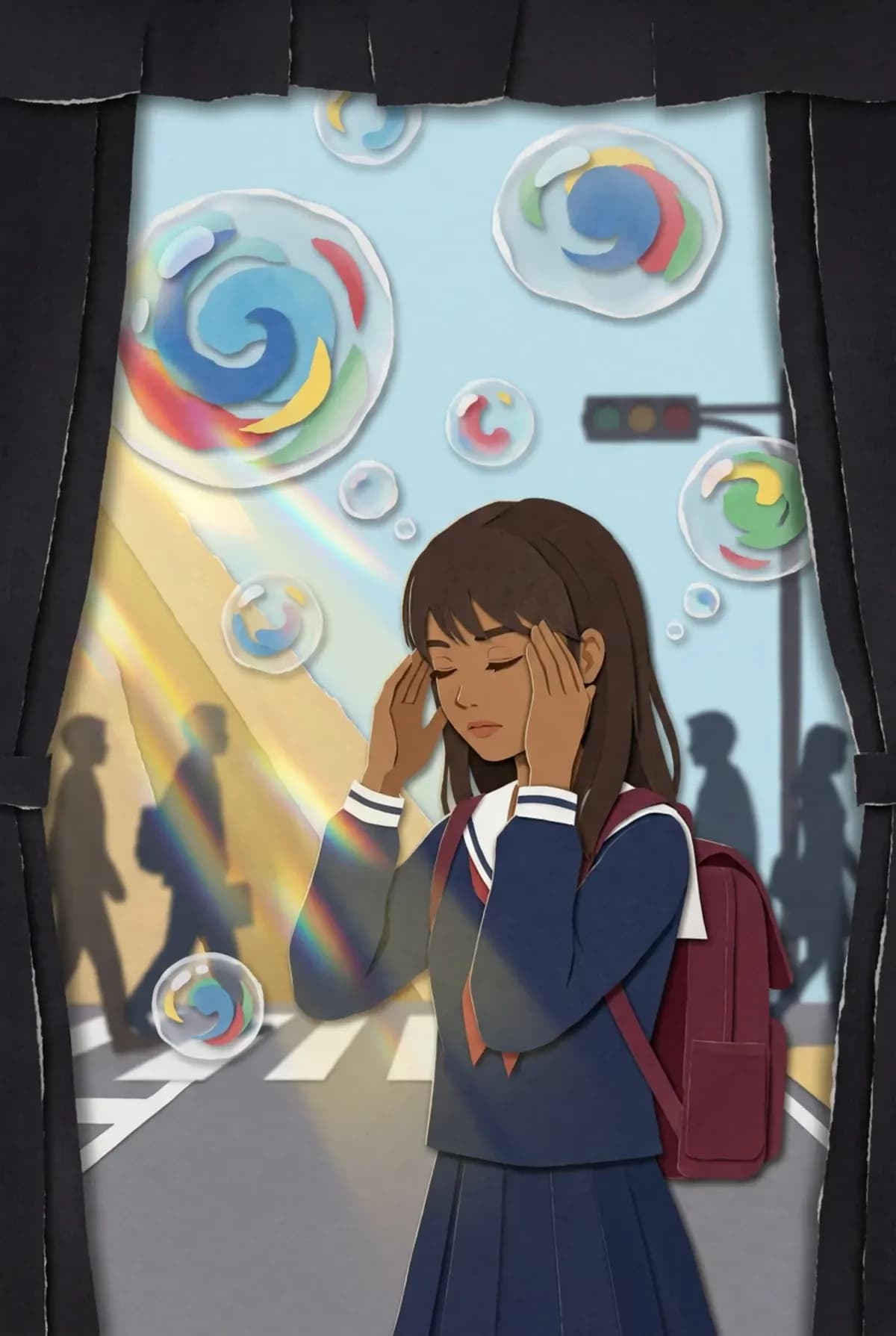
I’m an ordinary girl living my life normally, just like anyone else in this world. I had a wish — and I won’t call it a dream — a rather strange wish, which was to be able to hear the thoughts of the people around me.
Farah Raed Al-Barbarawi, 15 — Halhul
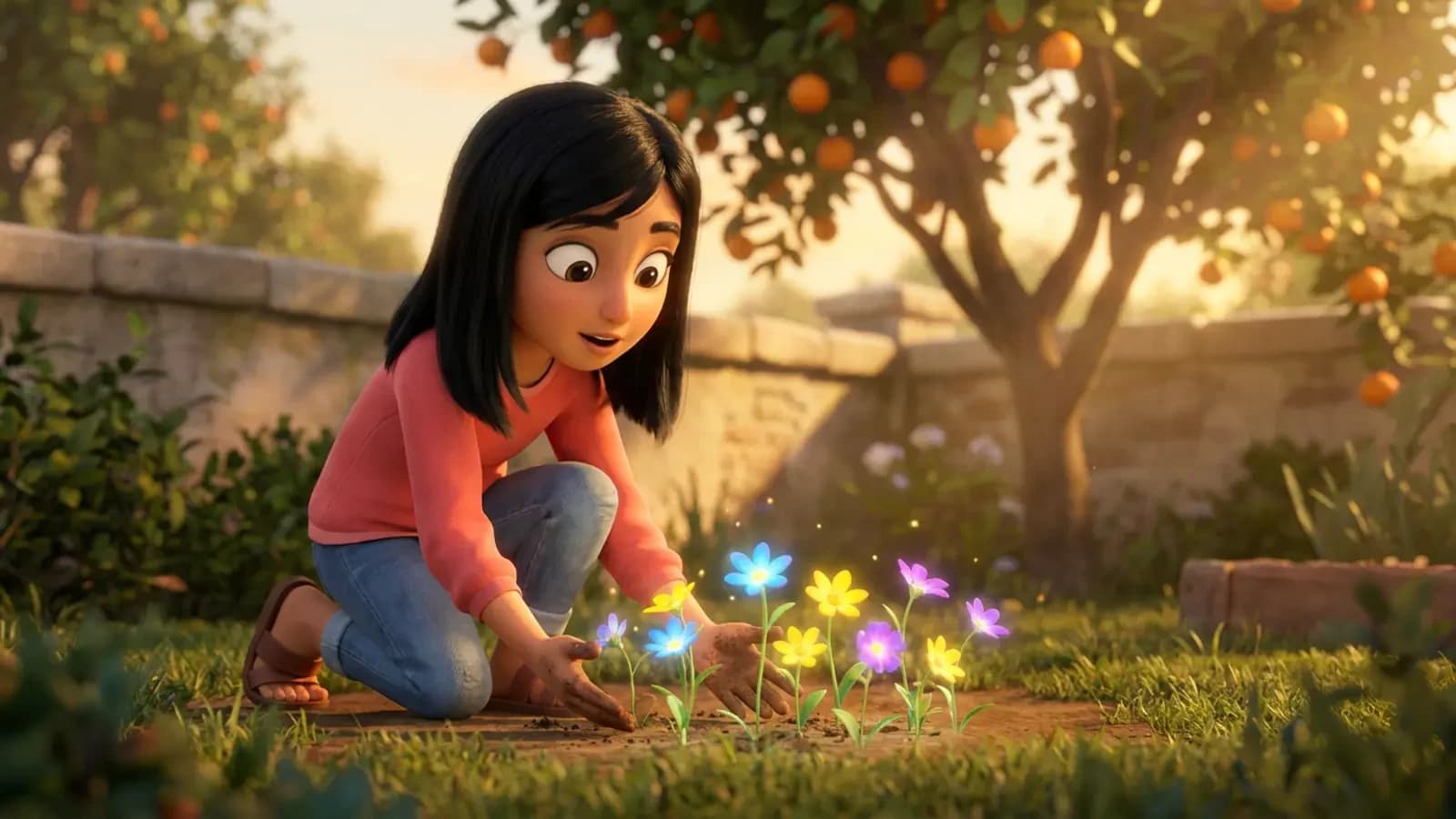
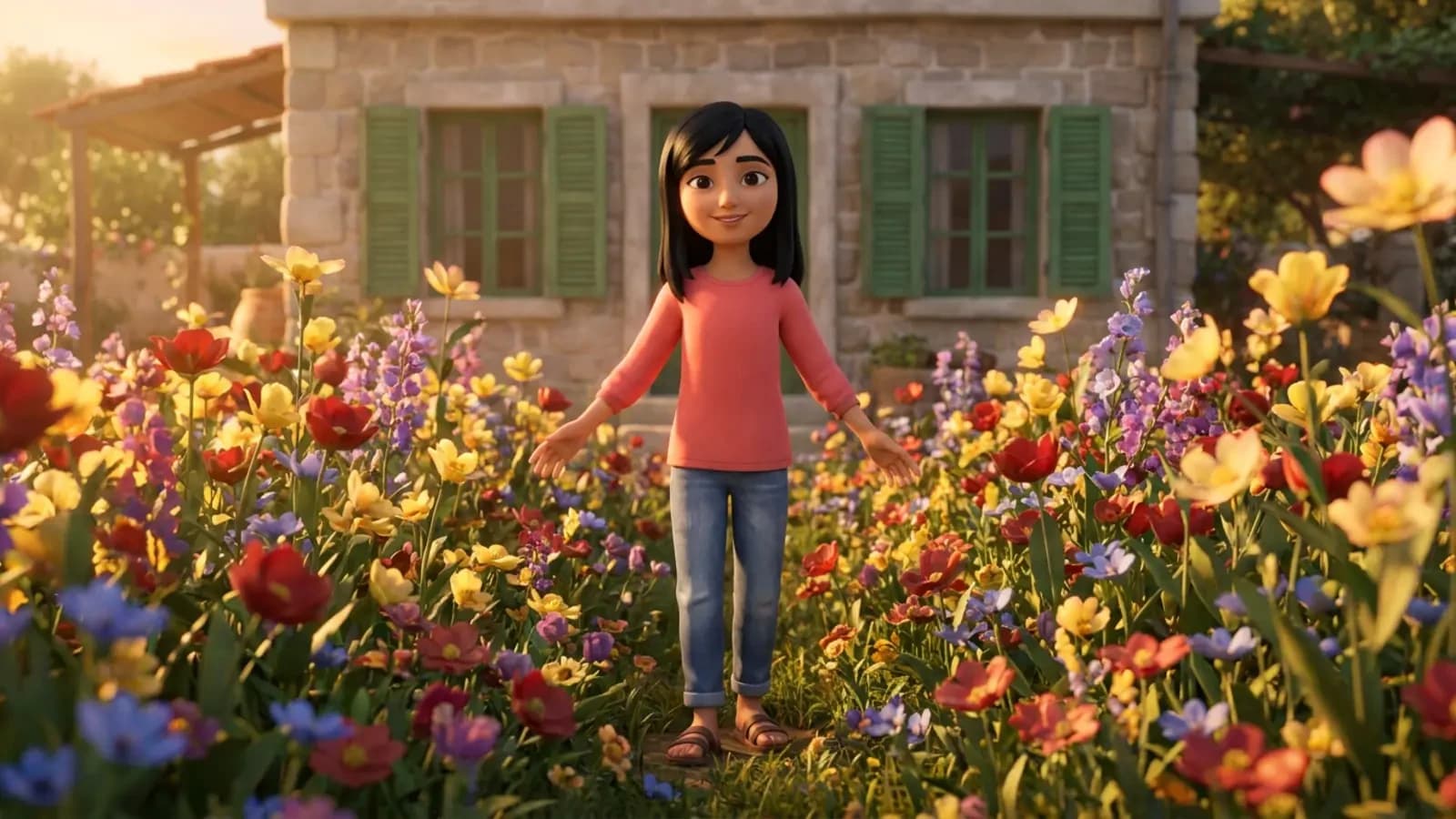
It was a quiet evening and the breezes were playing nature’s music on the leaves of the trees, the flowers seeming to dance on their branches as I sat in my garden watching them with happiness and wonder. A strange feeling came over me…
Mohammed Muhannad al-Atawineh, 16 — Beit Kahil
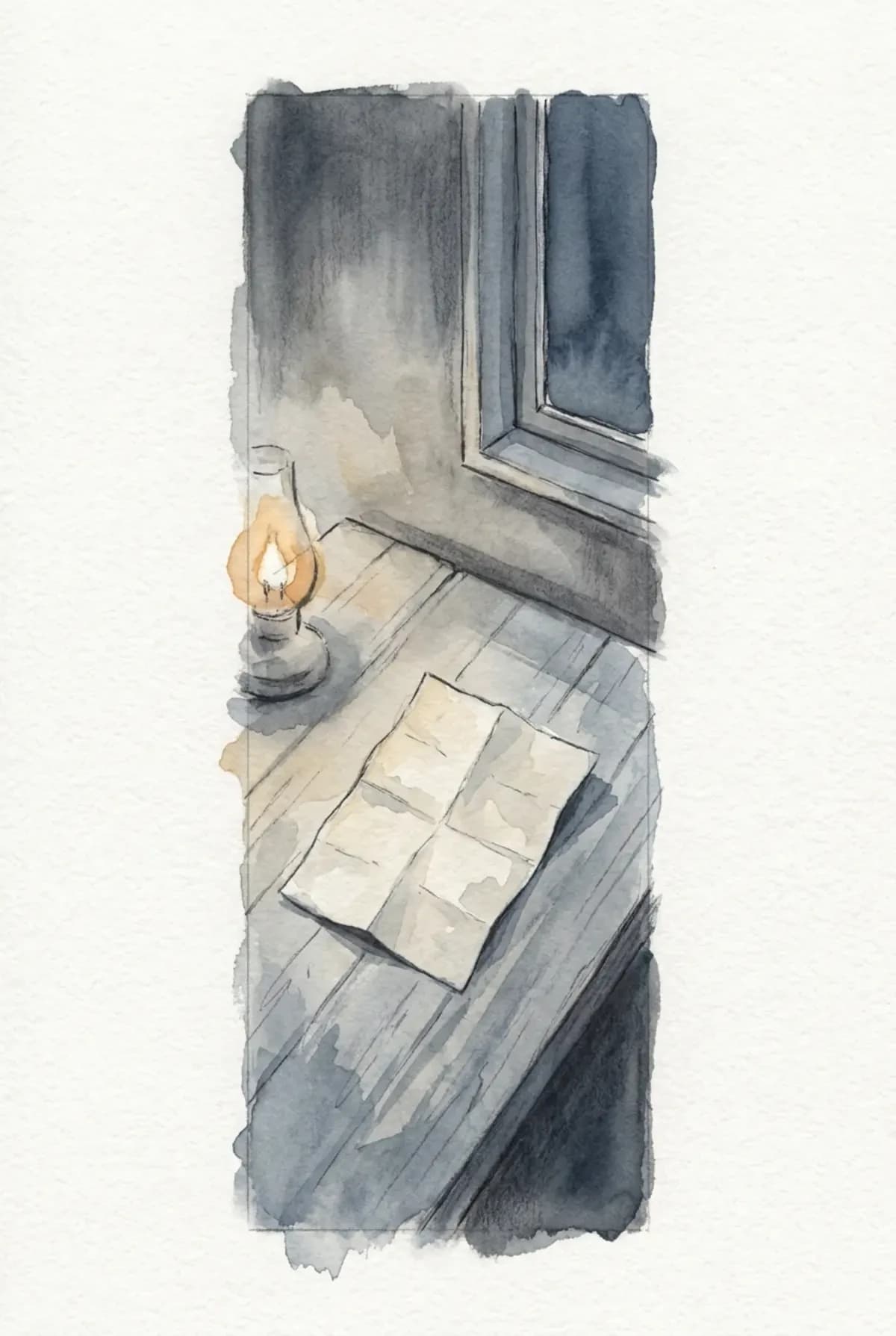
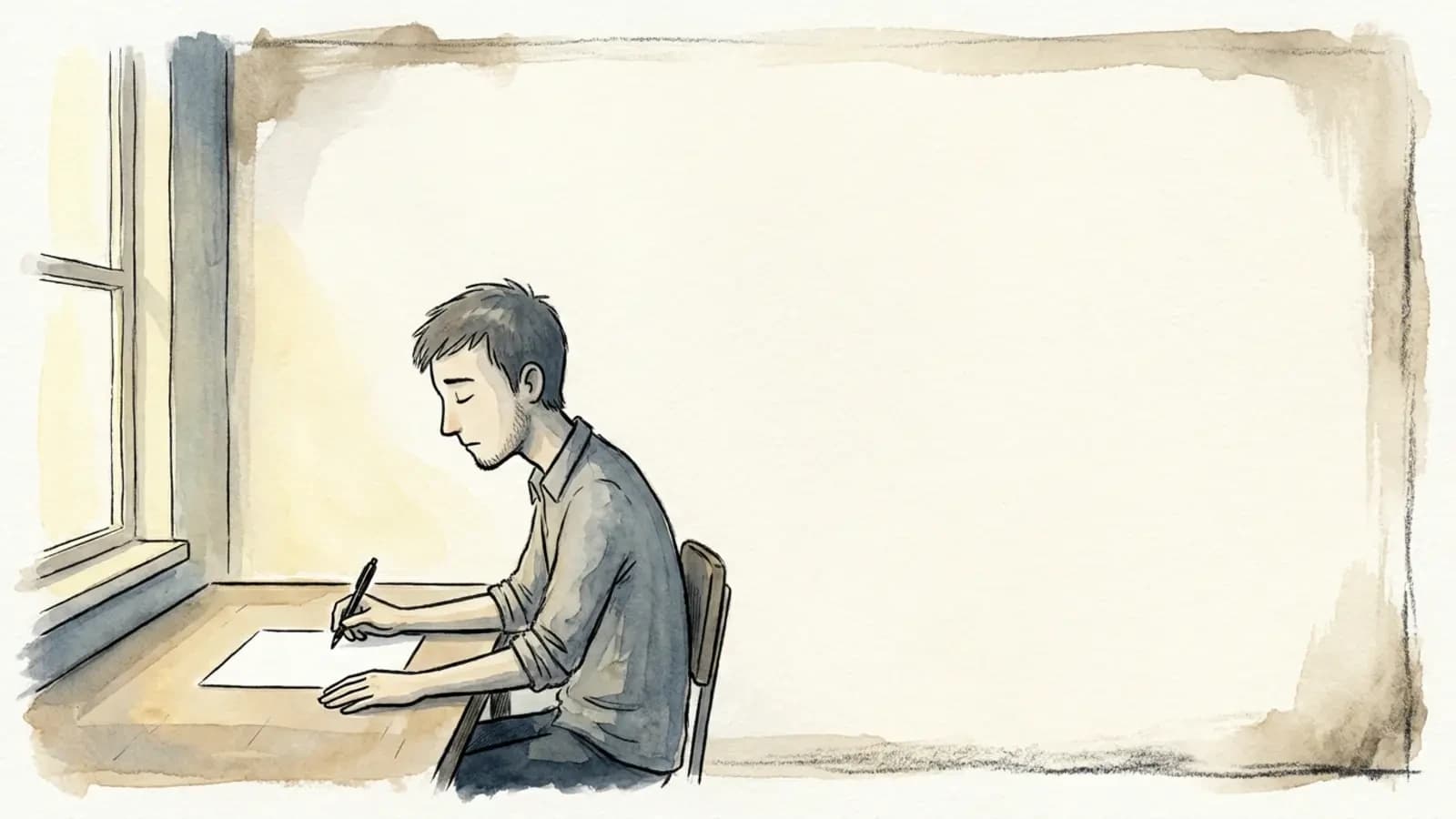
A quiet night, silence heavier than words, and pale light seeping through his bedroom window. He took out paper and pen, hesitated a moment, wrote his name at the bottom of the page, placed the pen on the paper and closed his eyes. He thought about writing…
Malak Mohammed al-Atawneh, 15 — Beit Kahil
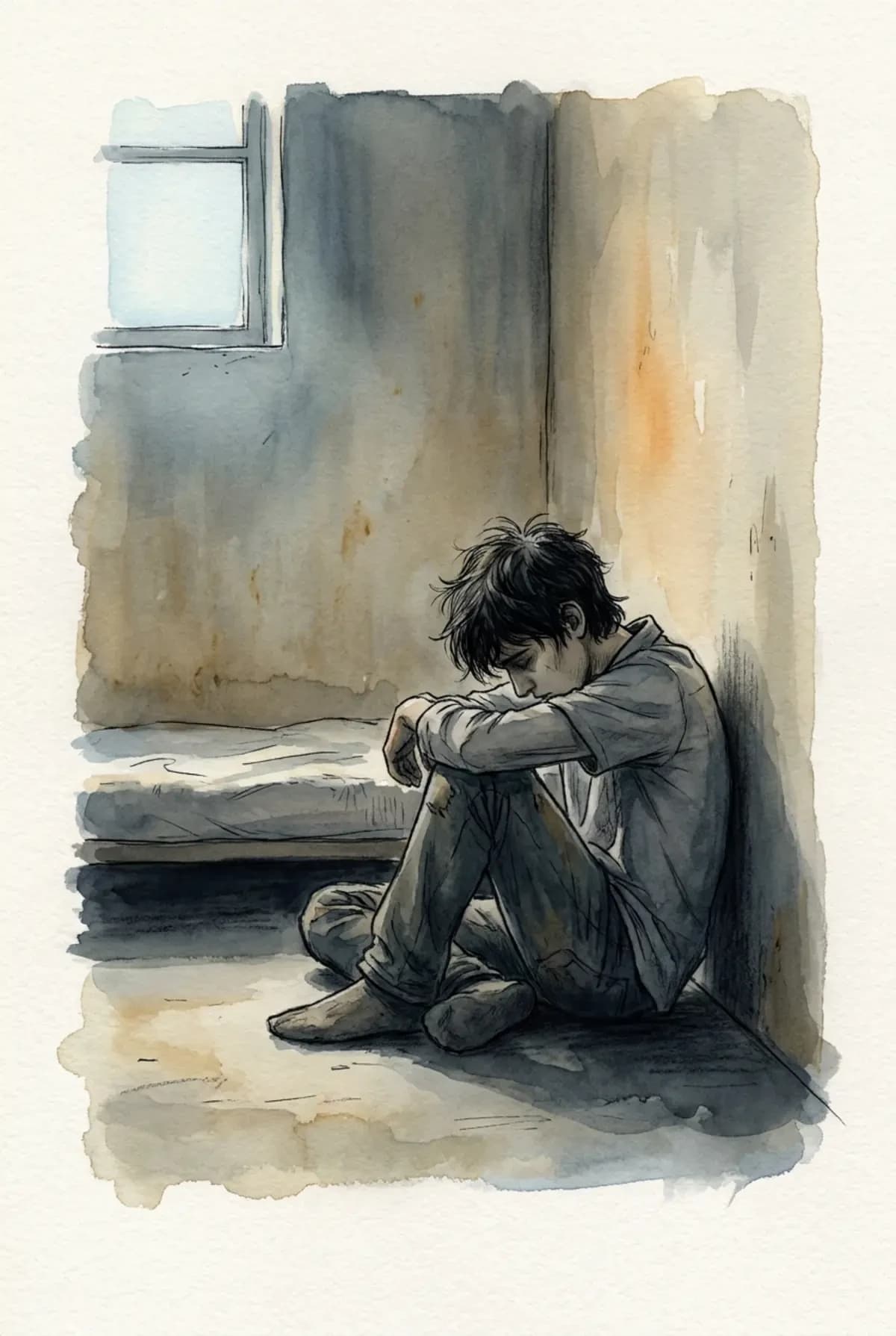
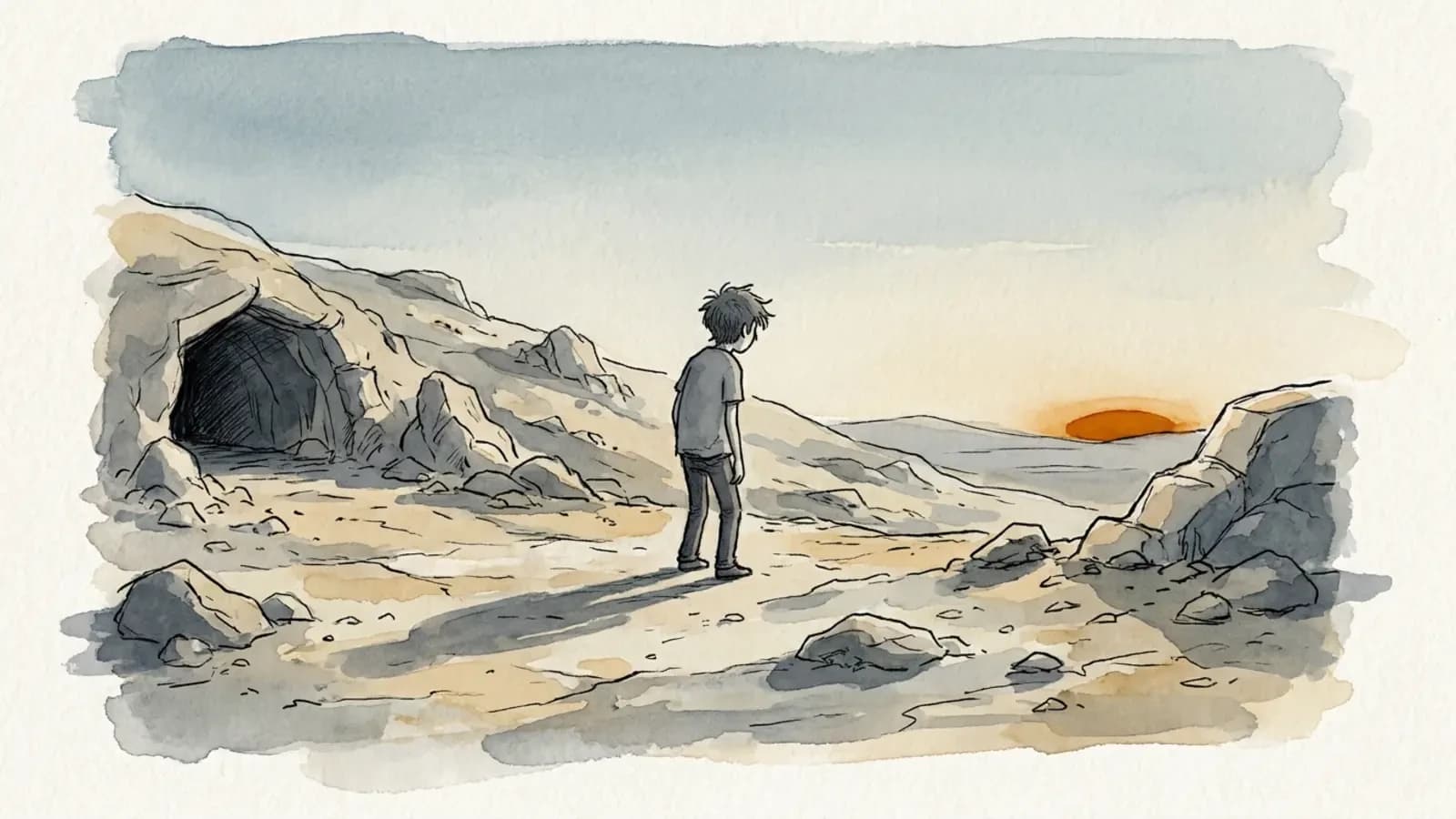
He was beaten daily by his father, who came home drunk every day. No one defended him except his mother, but she was too weak to protect him, and often took the blows for him…
Sadeel Omar Al-Zuhour, 15 — Beit Kahel
“I can return you to your normal size if you promise me you’ll change.” This is what Raed said to his friend Ahmed, a twelve-year-old boy whose body had shrunk to the size of a four-year-old.
Musab Maher Al-Sharawna, 15 — Deir Samet
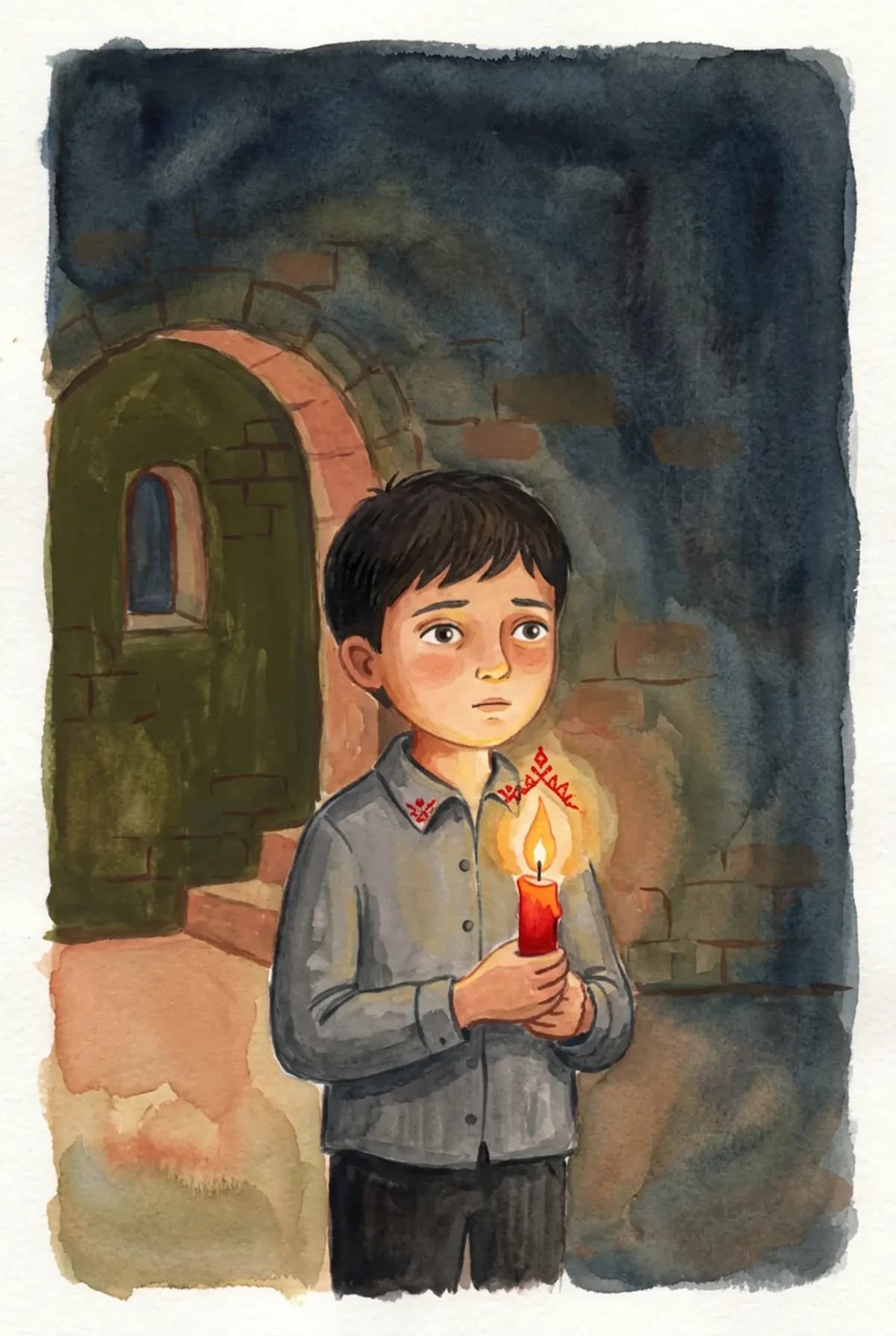
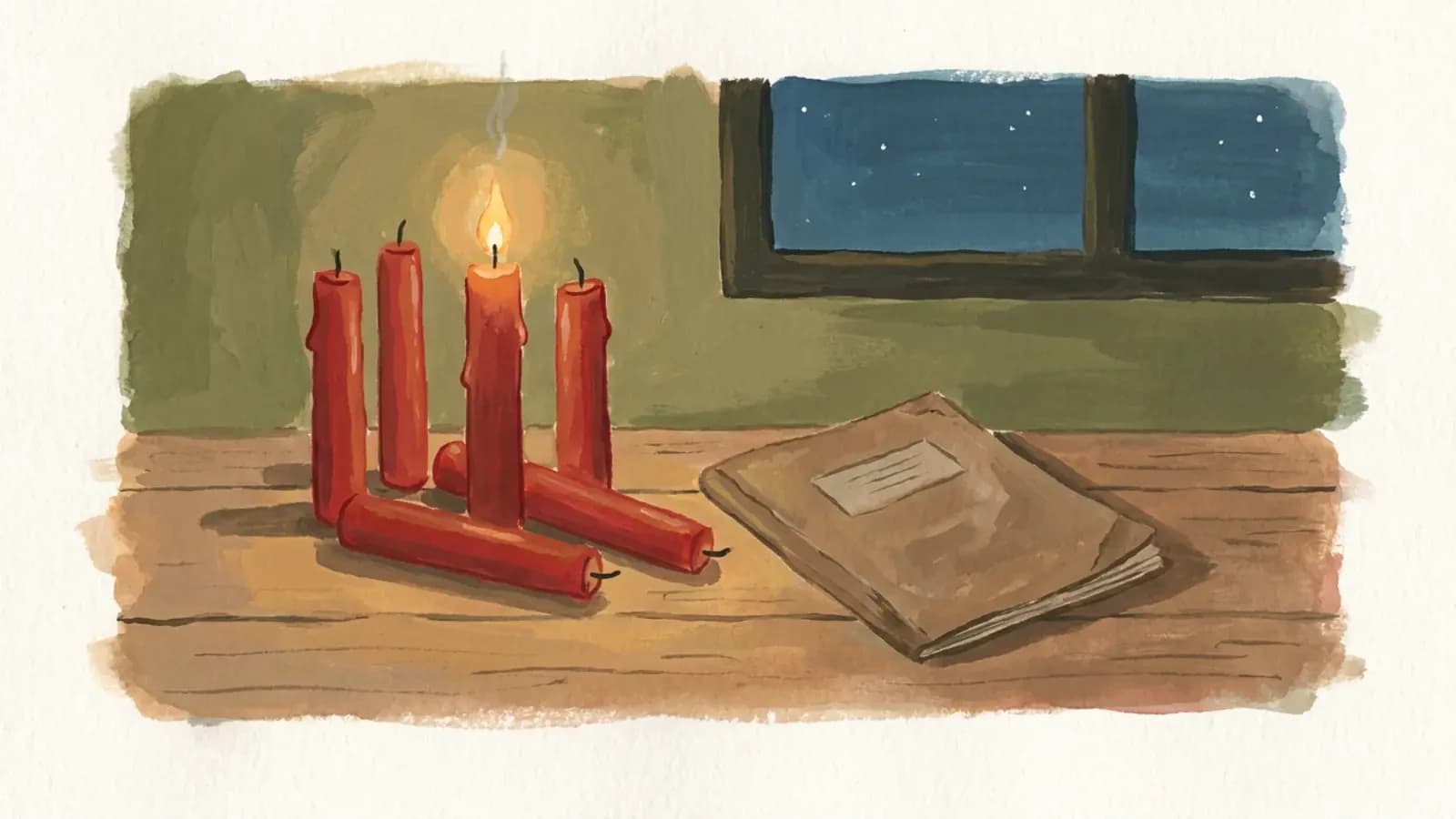
“Magic candles! Magic candles!” In the old market, Zakariya heard a tall man with a long white beard that almost touched the ground, carrying two bundles of long red candles. The moment he saw him…

Bayan Zuhair Al-Sharawna, 15 — Deir Samet
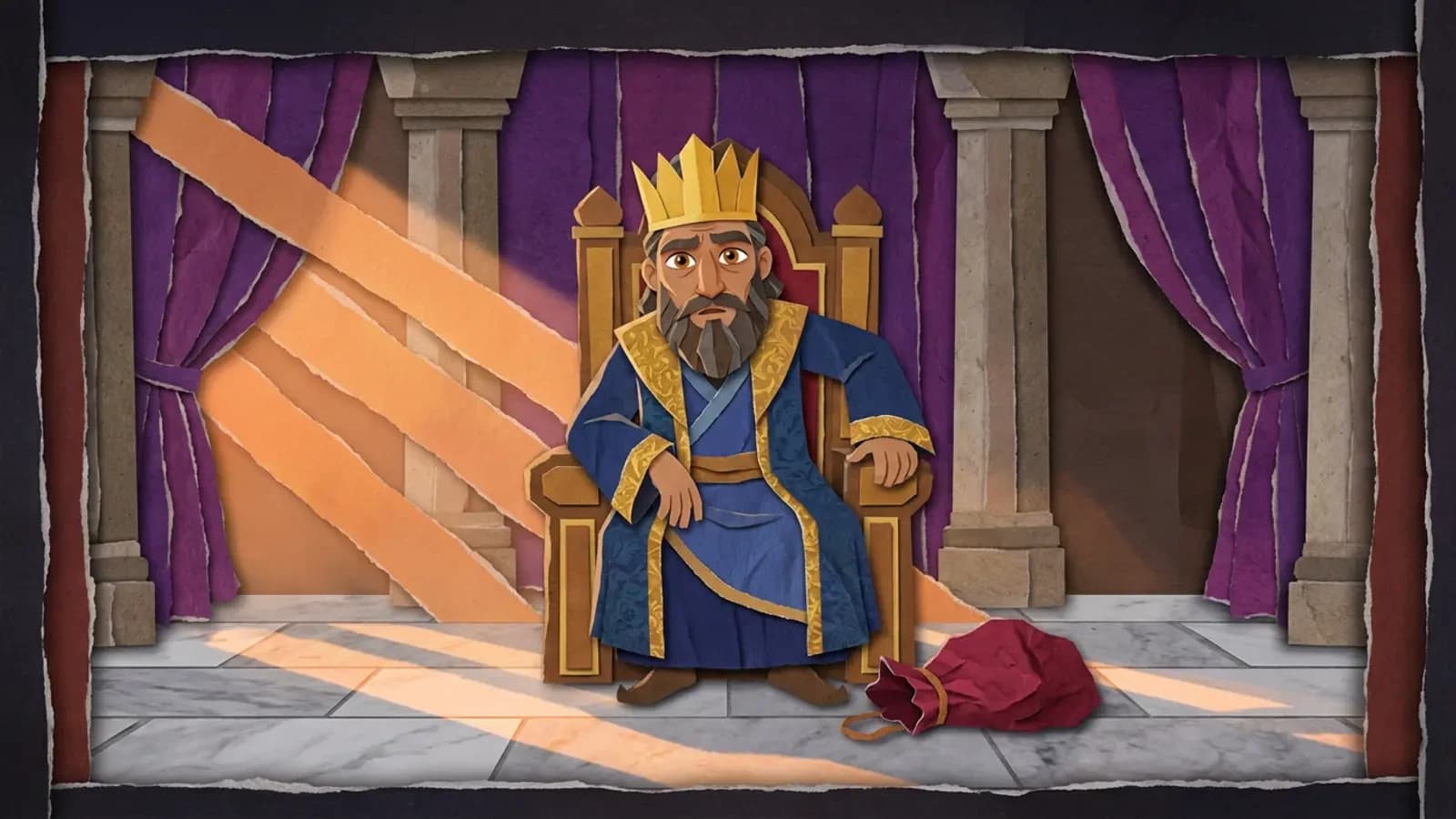
In a certain kingdom, the king held a grand celebration. He invited the highest officials of the state, the dignitaries of the cities, and the most important men of the realm. That king was just and loved his subjects, and his subjects loved him — or so he believed, especially those invited to his feast.
Mina Thair al-Sharawna, 15 — Deir Samet
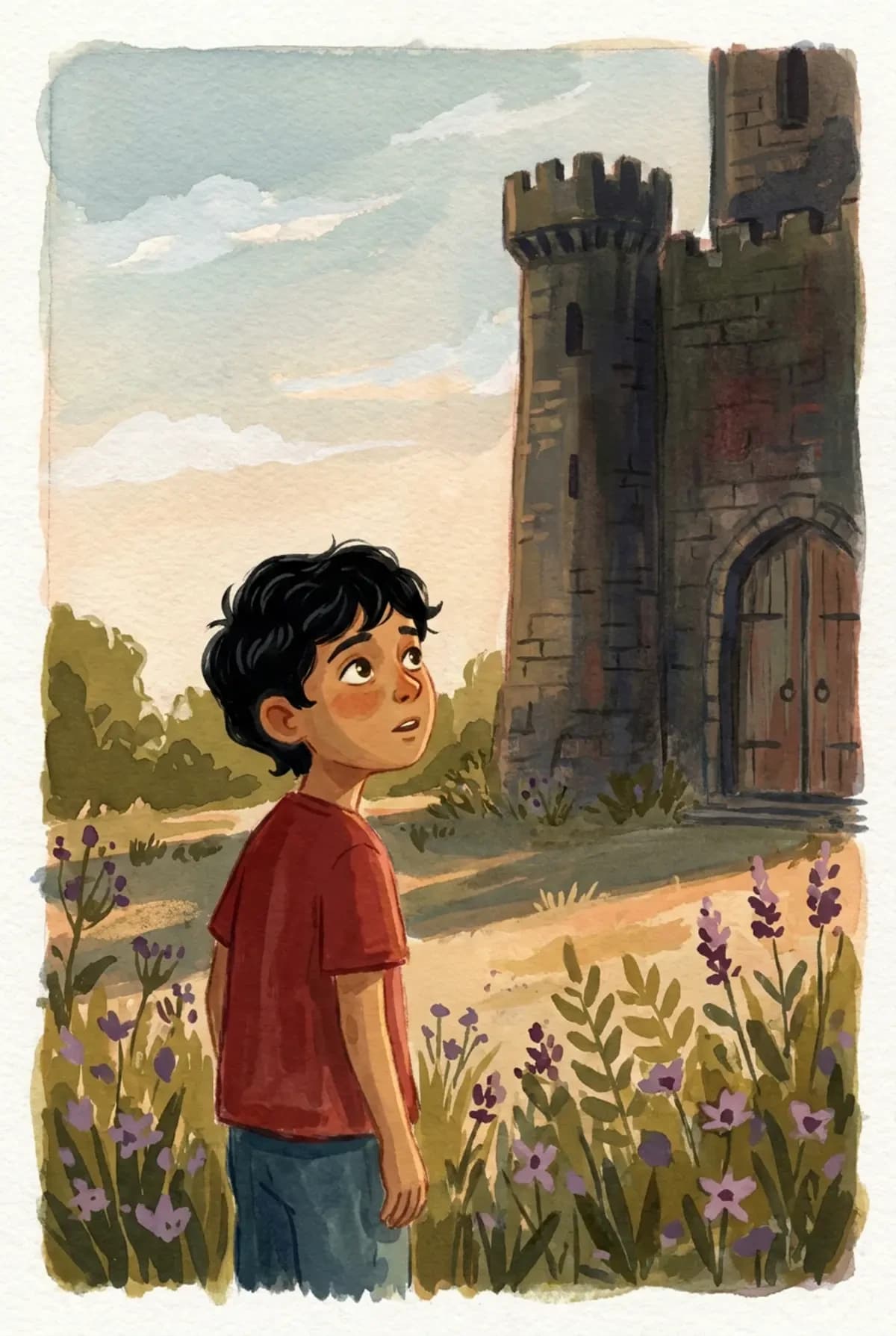
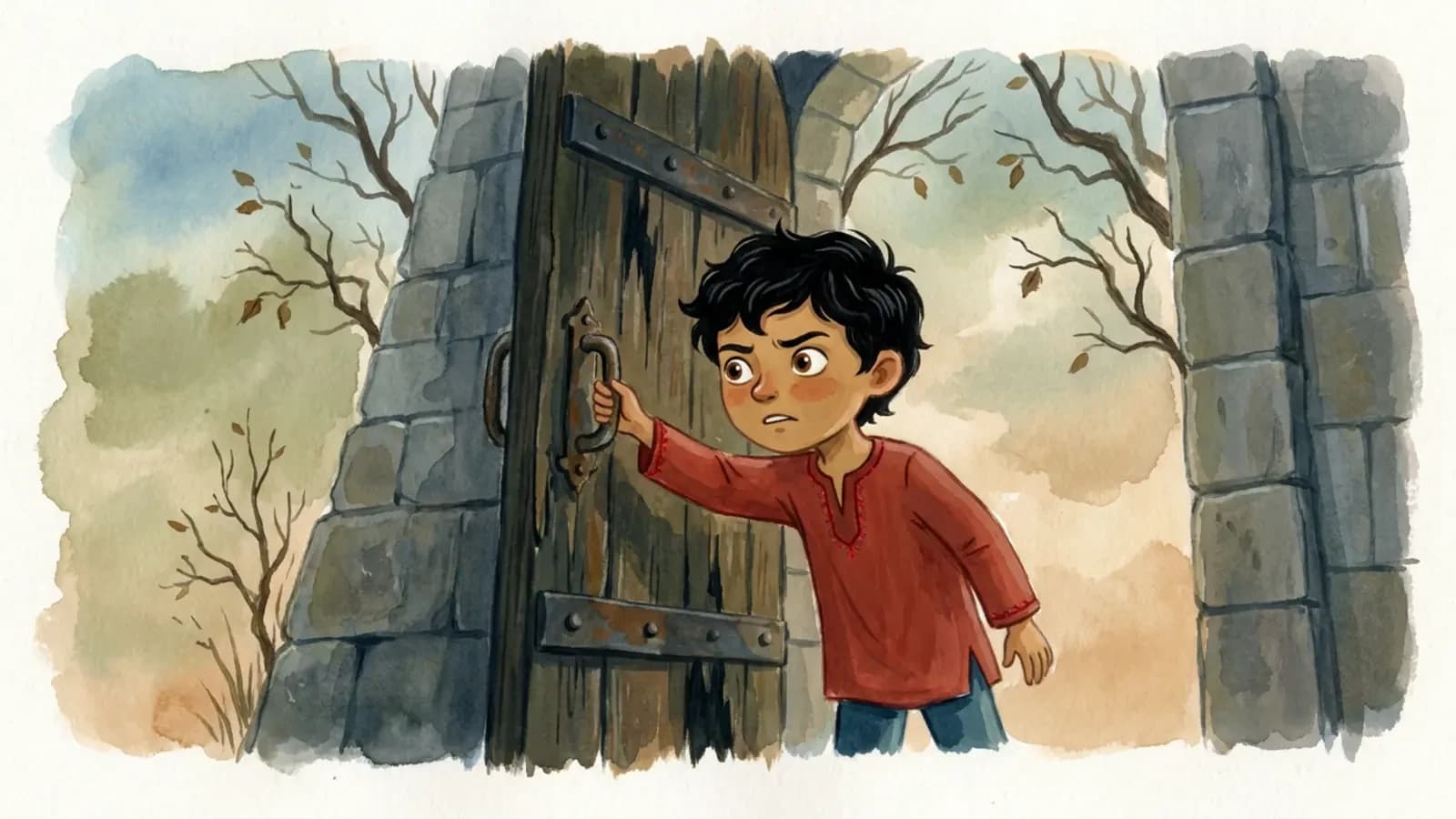
That palace stirred Thair’s curiosity a great deal, and more than once he thought about going inside to explore it. But his father always warned him not to enter, telling him that the palace the village people called…
Lamees Fareed Al-Awawdeh, 15 — Deir Samet
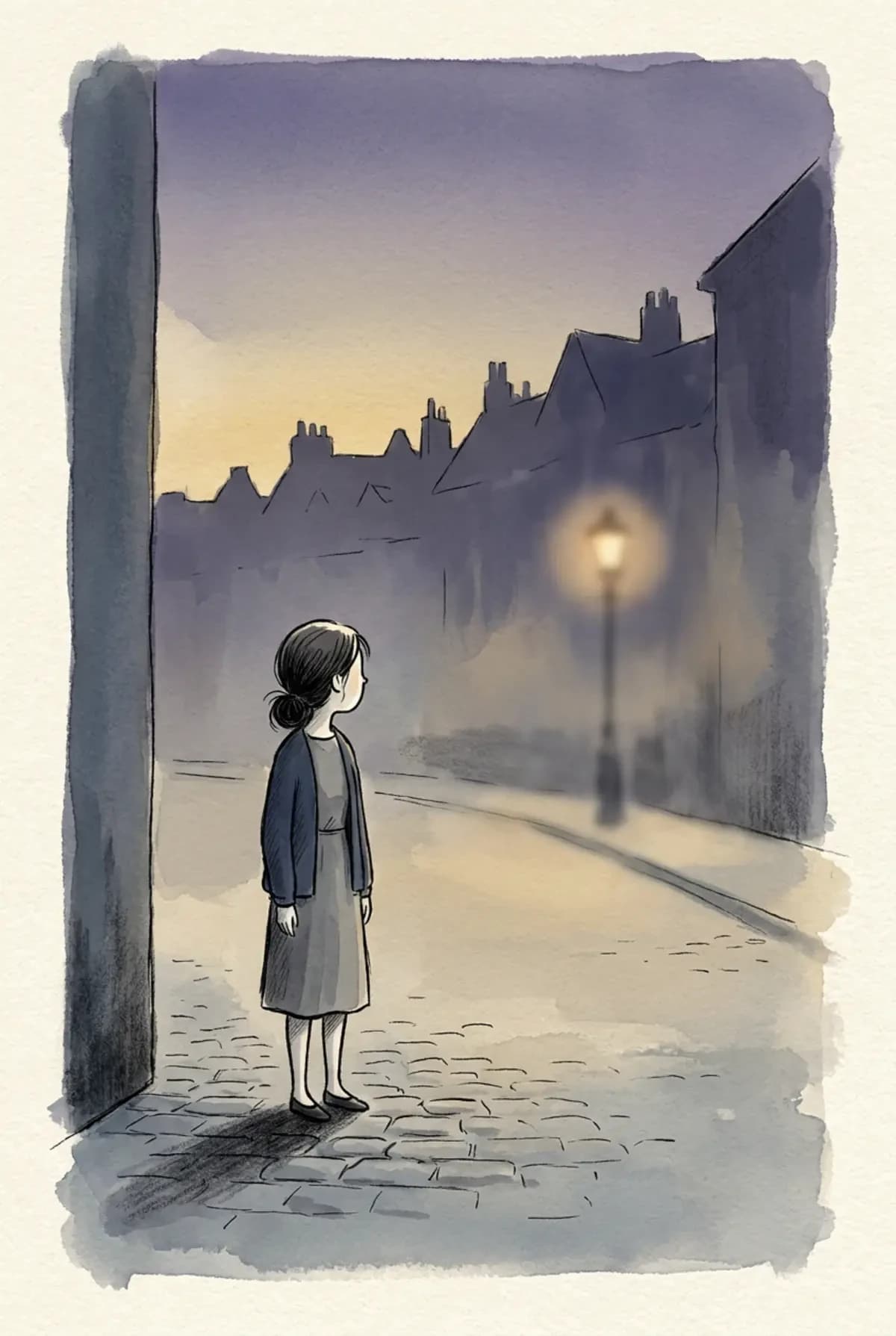
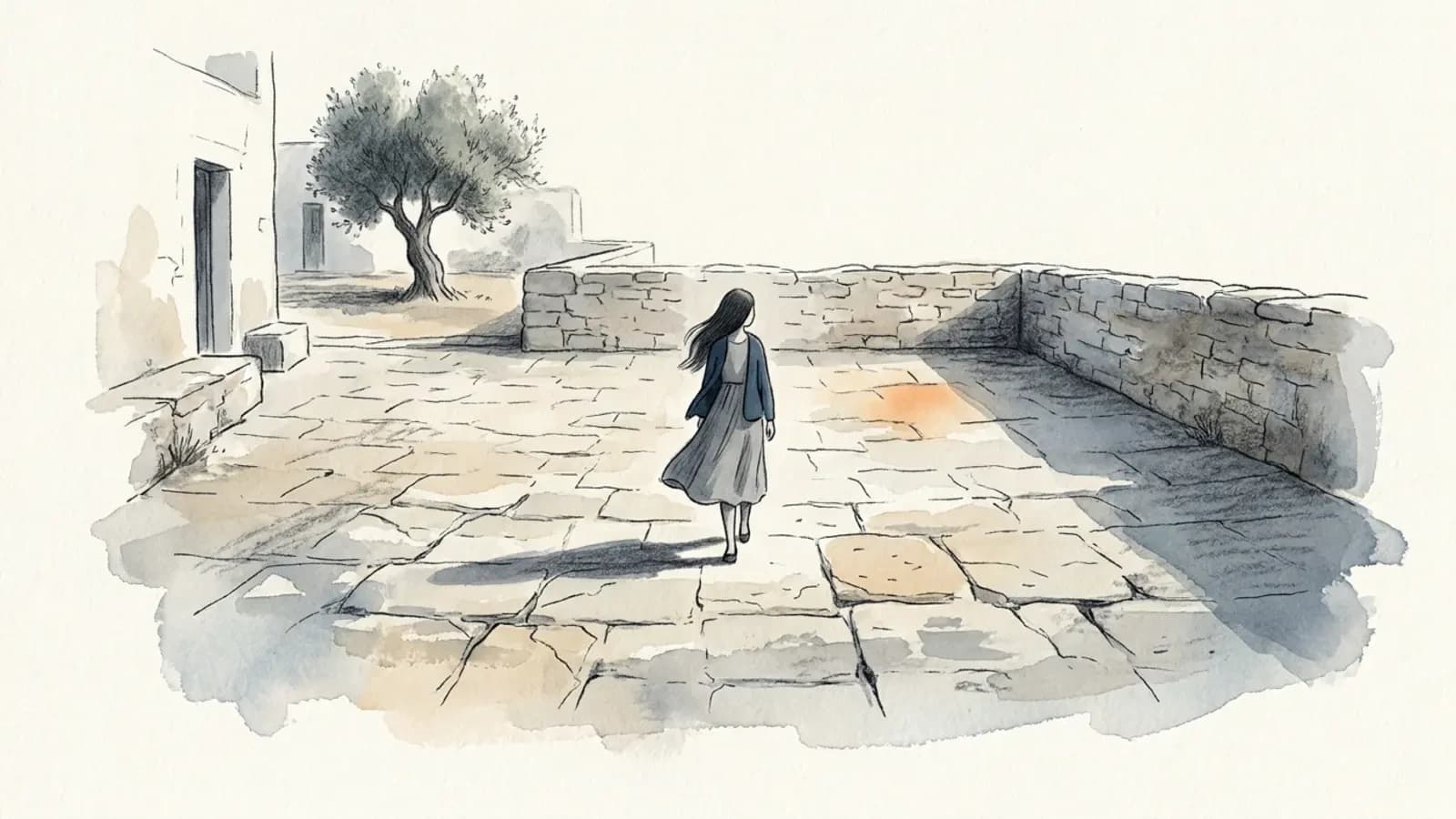
She felt no pain, no ache at all. When she cut herself she paid no attention to the wound, and when she burnt her hand she was indifferent to the burn. Her parents marvelled at this strange child, for Lamees was not like any other…
Fadwa Kamel Al-Dalu, 15 — Tulkarm
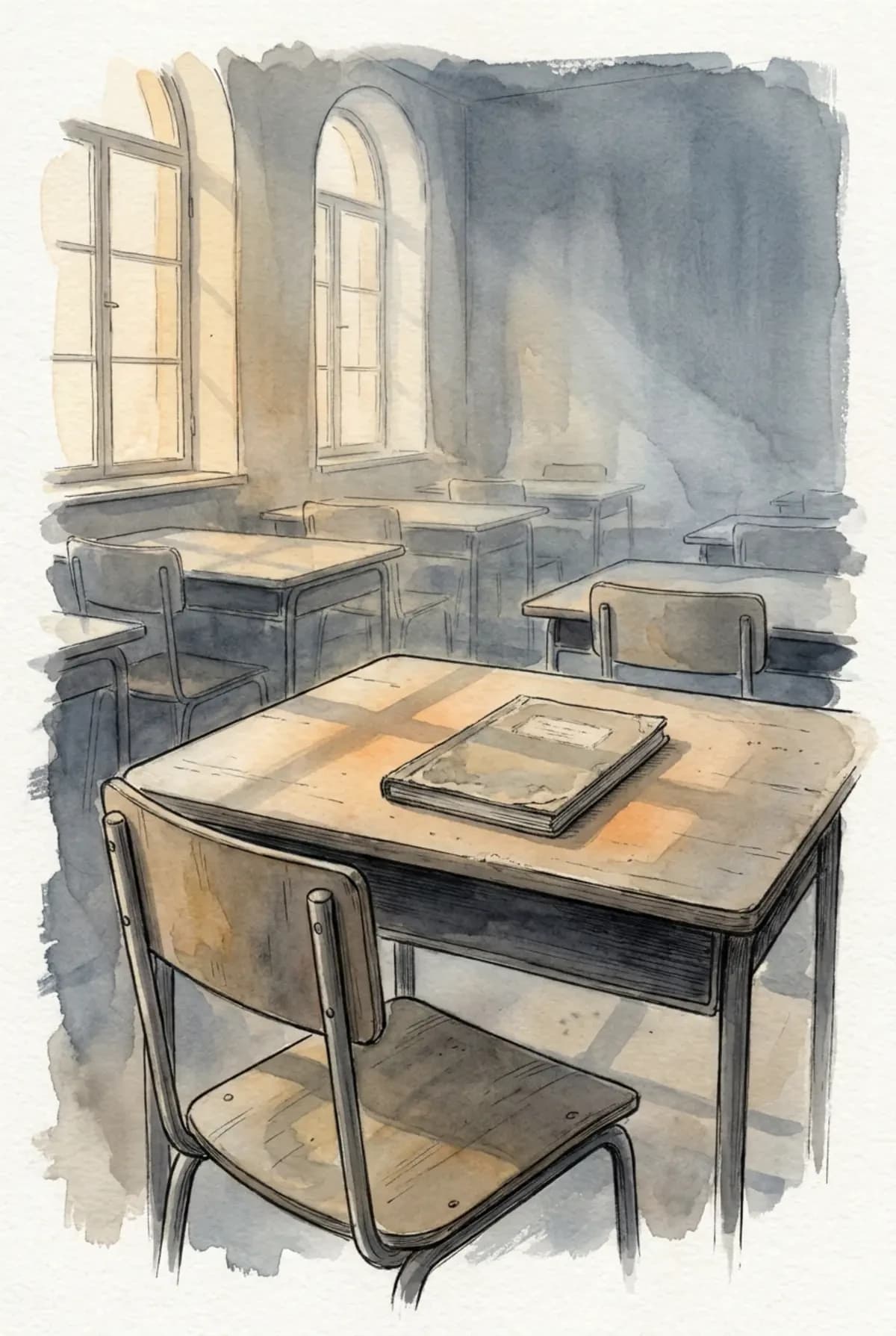
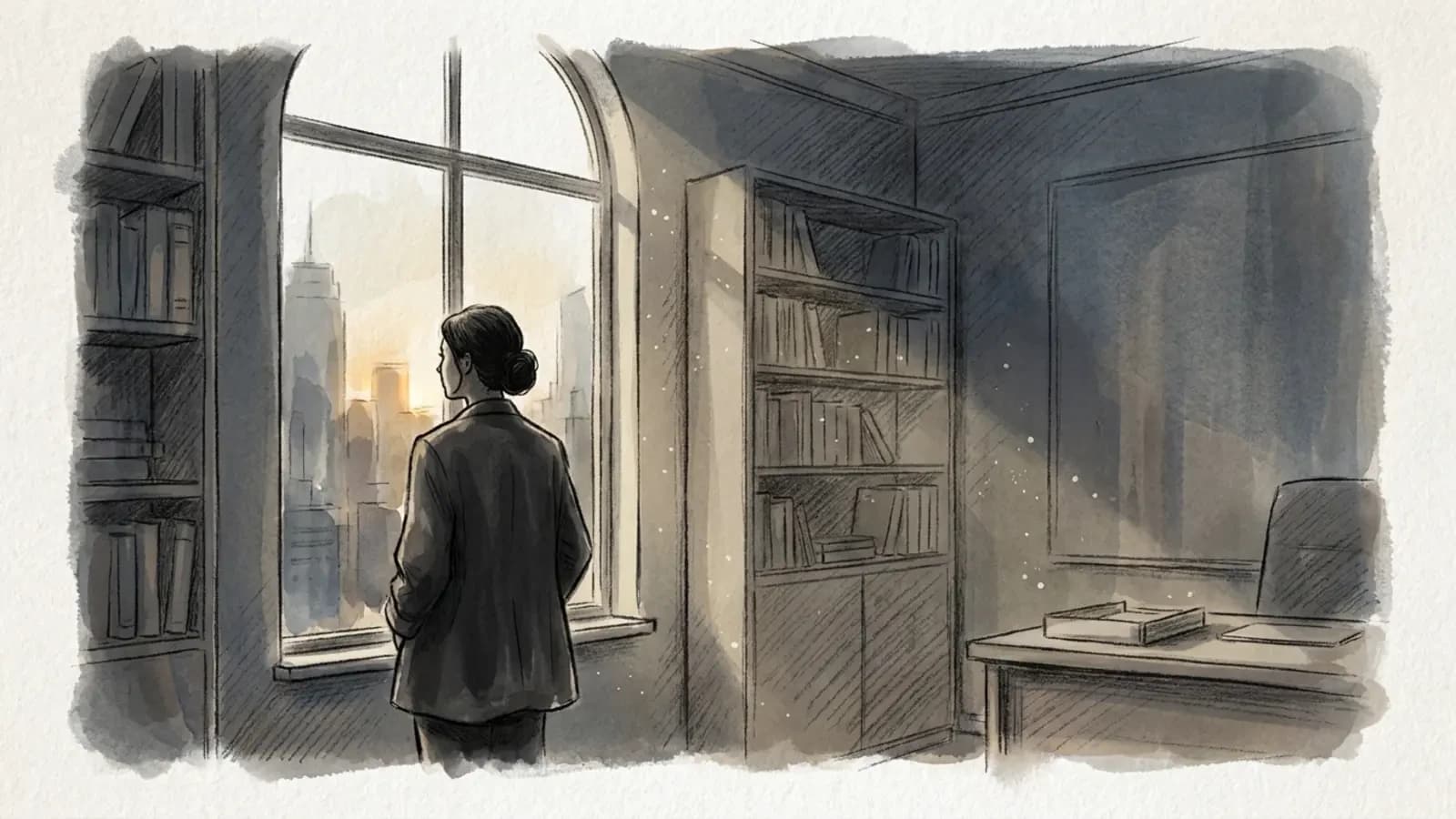
I cannot forget that day when my tears streamed down because my classmates bullied me at school, and what increased my pain was my teachers’ indifference when I complained to them about the bullying. Perhaps…
Aya Mohammed Ammouri, 15 — Tulkarm
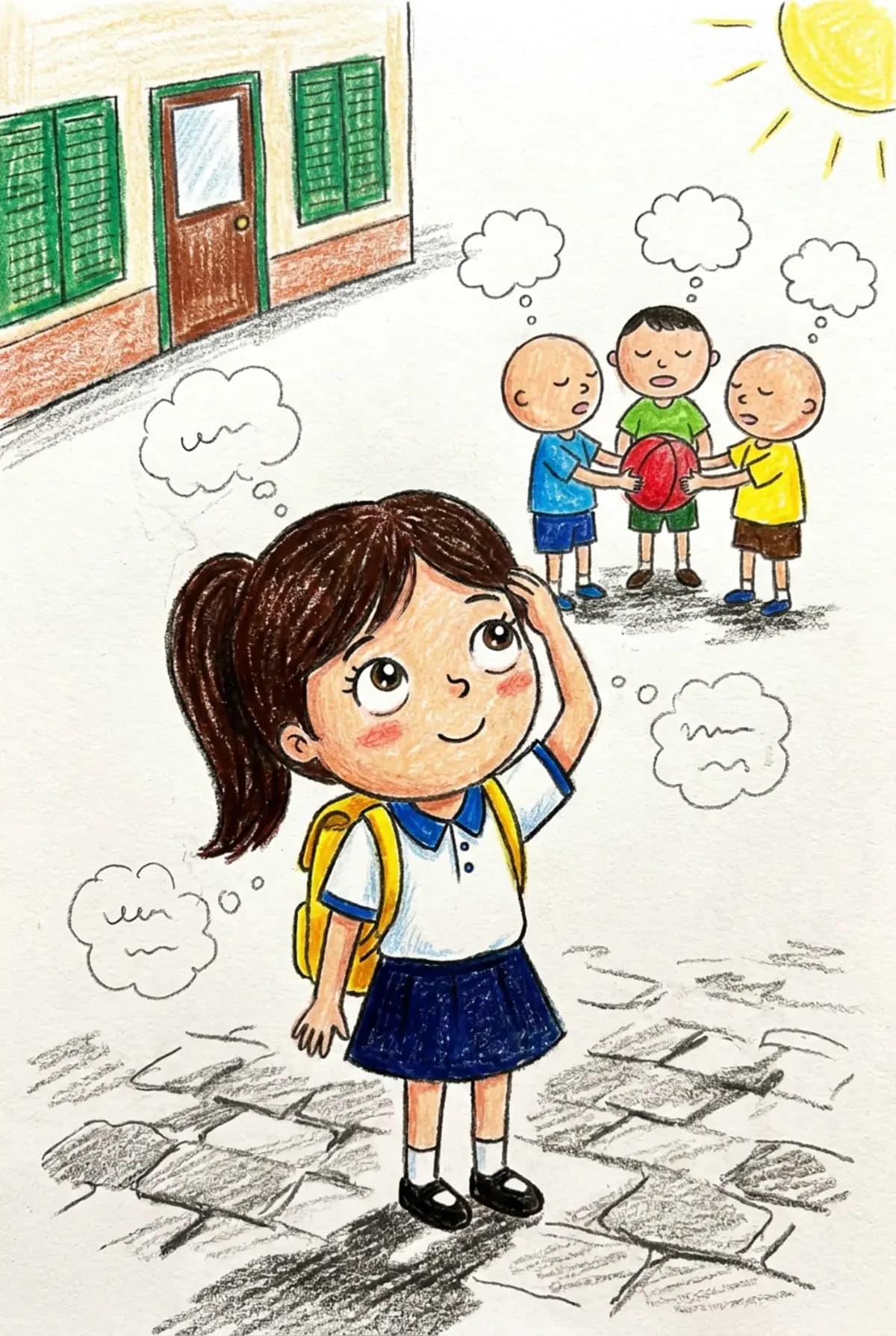
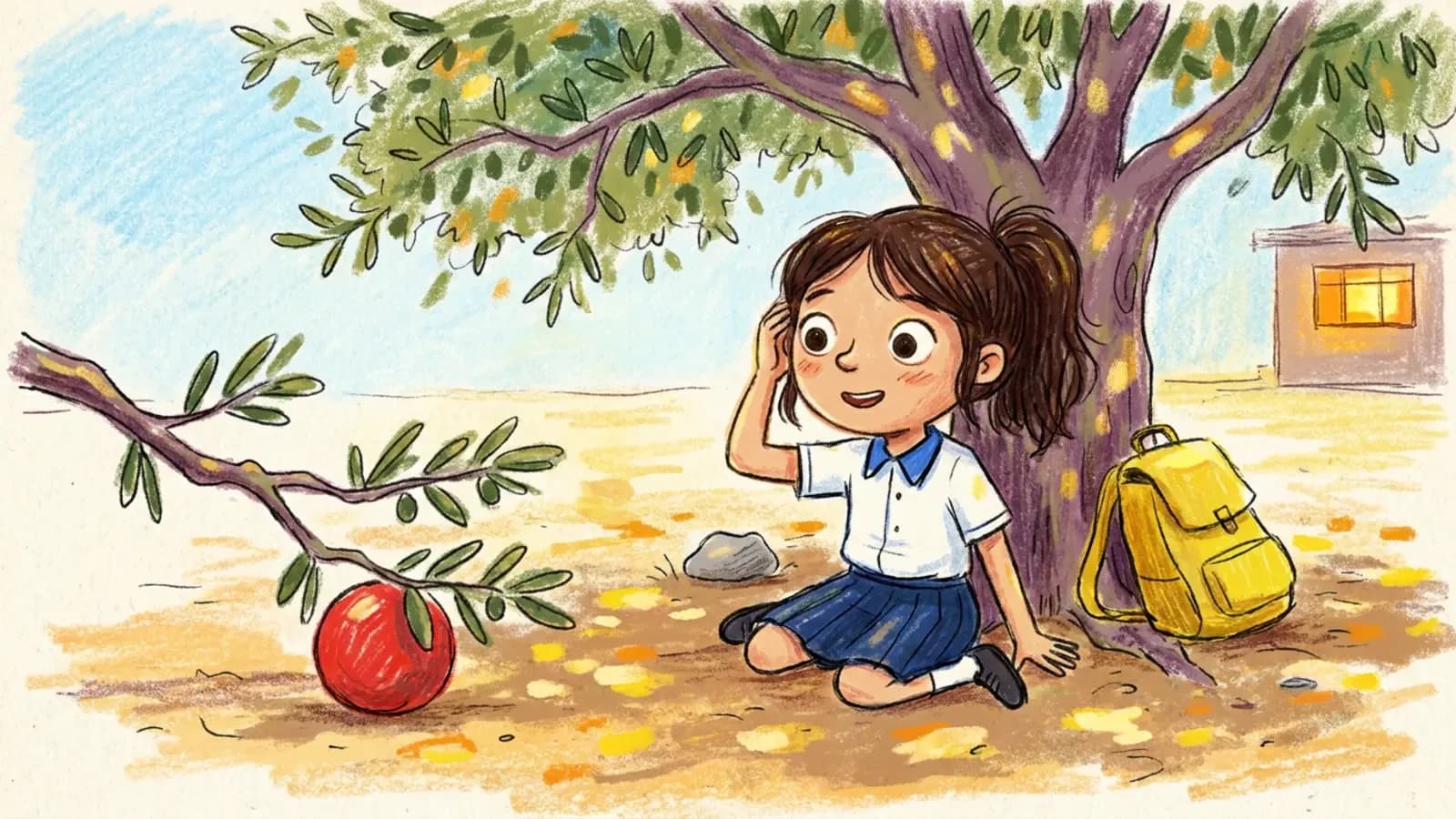
Hello, let me introduce myself. I’m Aya, an ordinary girl — or rather, I was an ordinary girl until that day came. I bet you’re asking now, ‘What day, Aya? Come on, tell us.’ Well, be patient and stick with me.
Hiba Mahmoud Youssef, 15 — Tulkarm
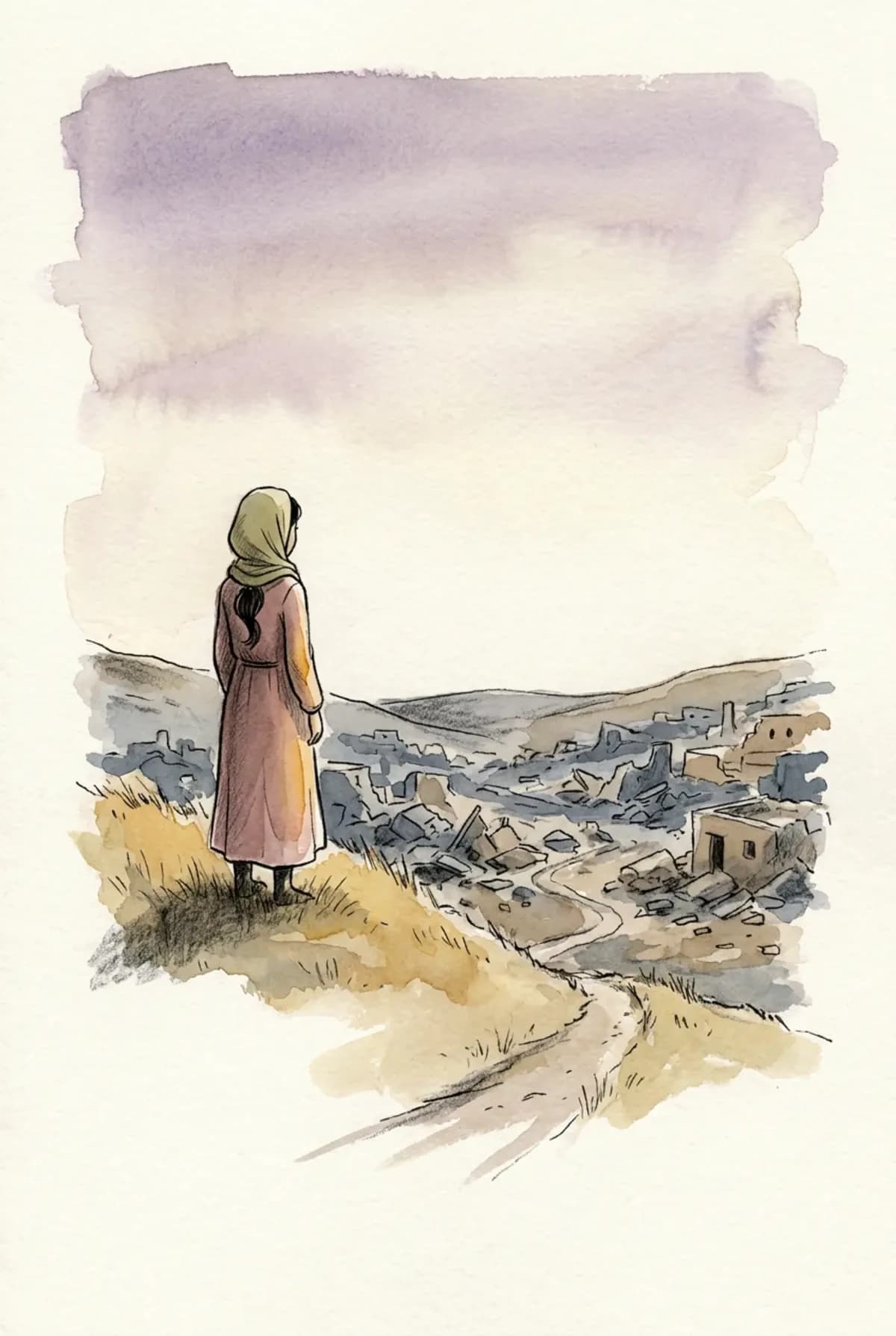
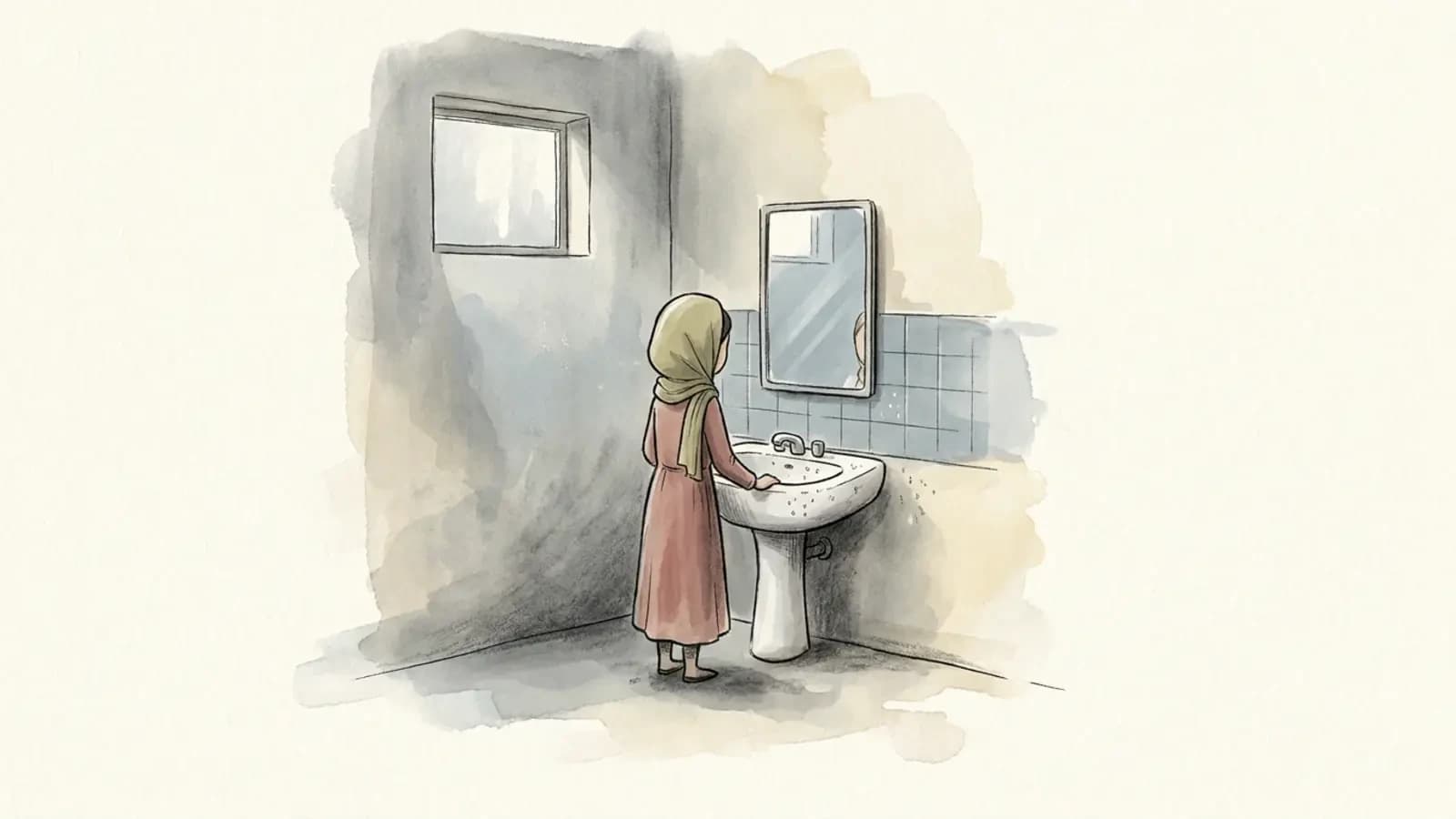
This dream was the reason Hiba visited her camp.
Aisha Bahaa Ayad, 15 — Aida Camp
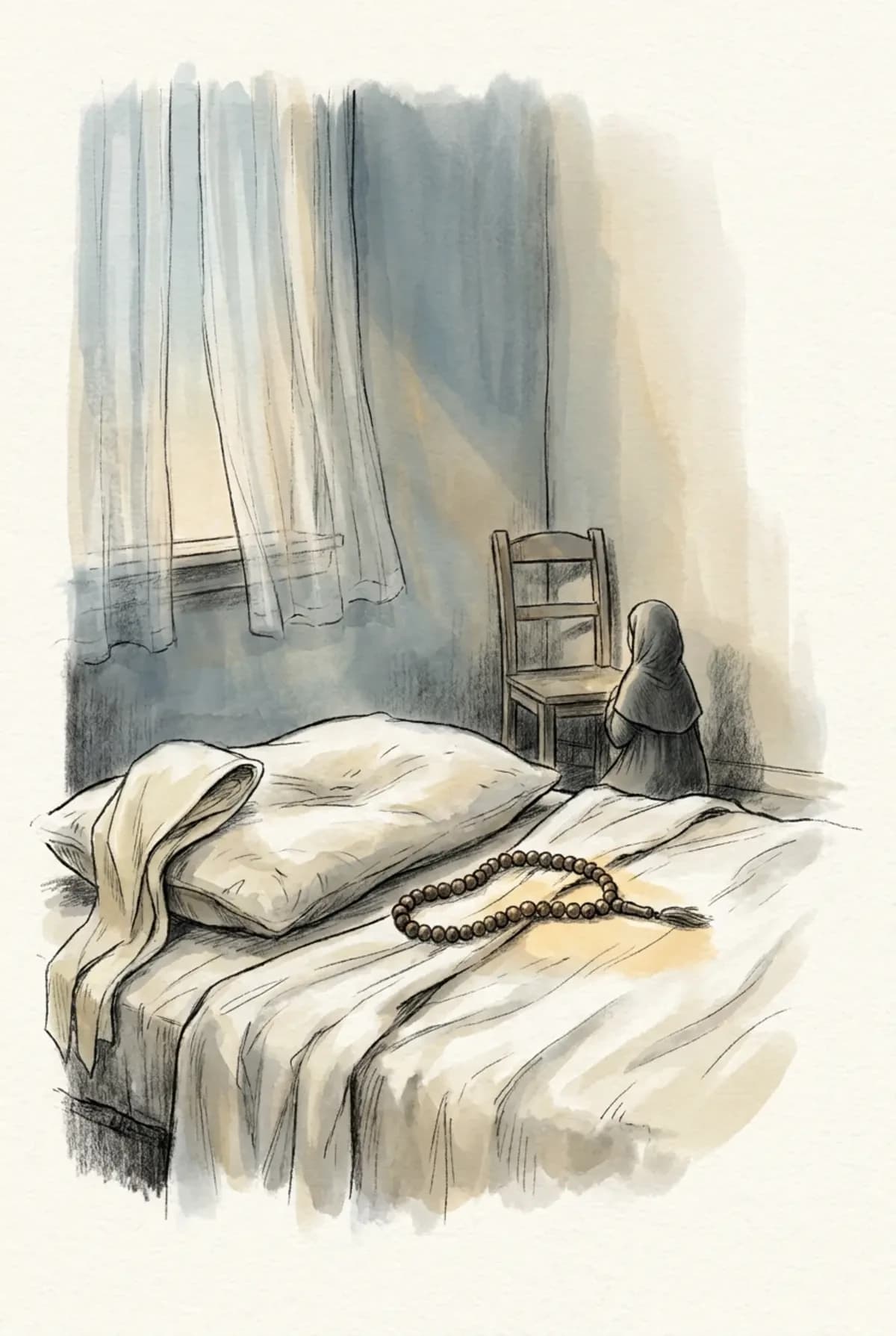
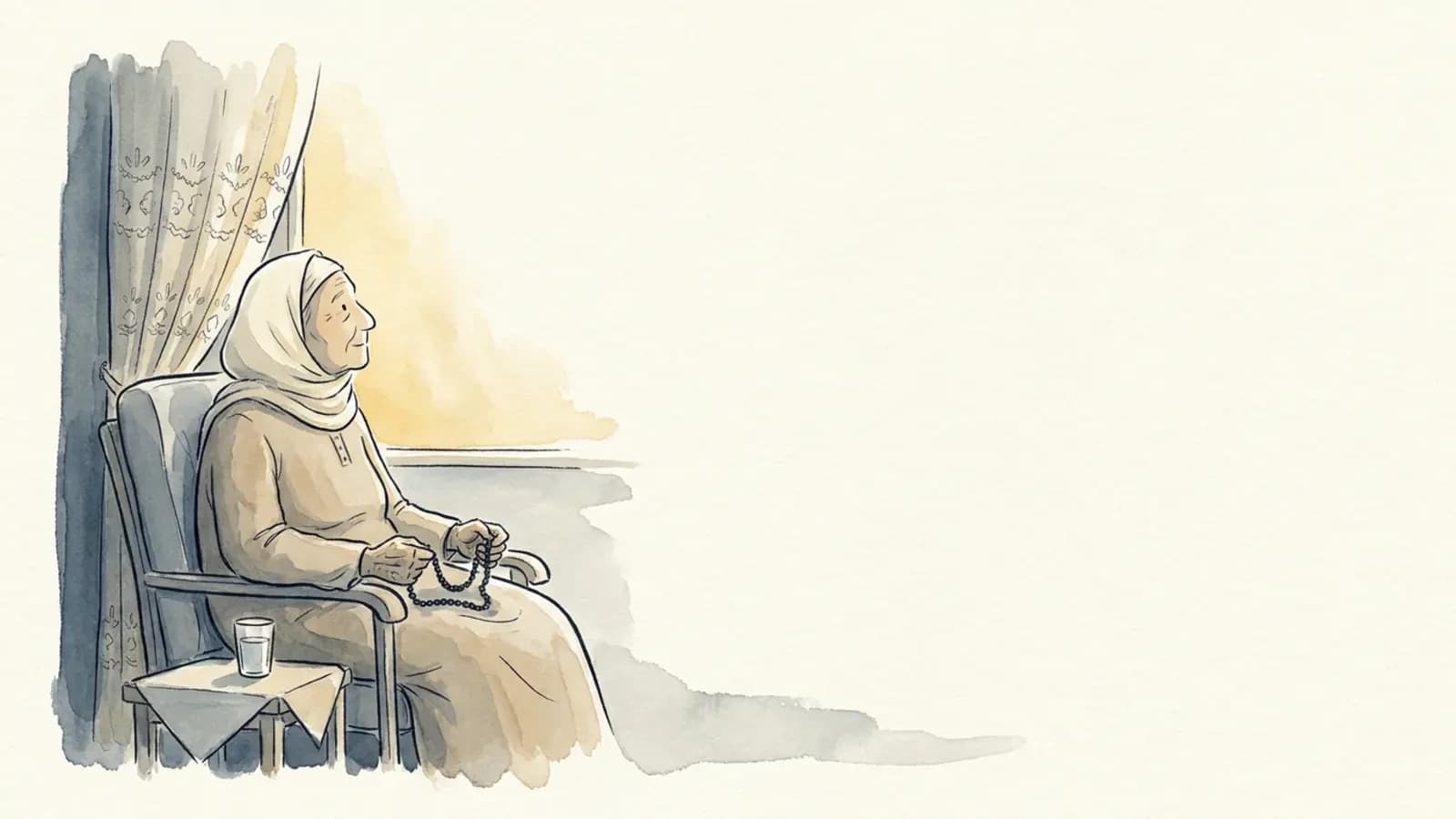
It was a dawn unlike any other; the sun’s rays had not yet slipped through the glass of my window. That Monday, silence filled the corners of the house in a solemn way. In her room time stood still, and those prayer beads which…
Fatima al-Zahraa Khaled Qaraqra, 15 — Aida Camp
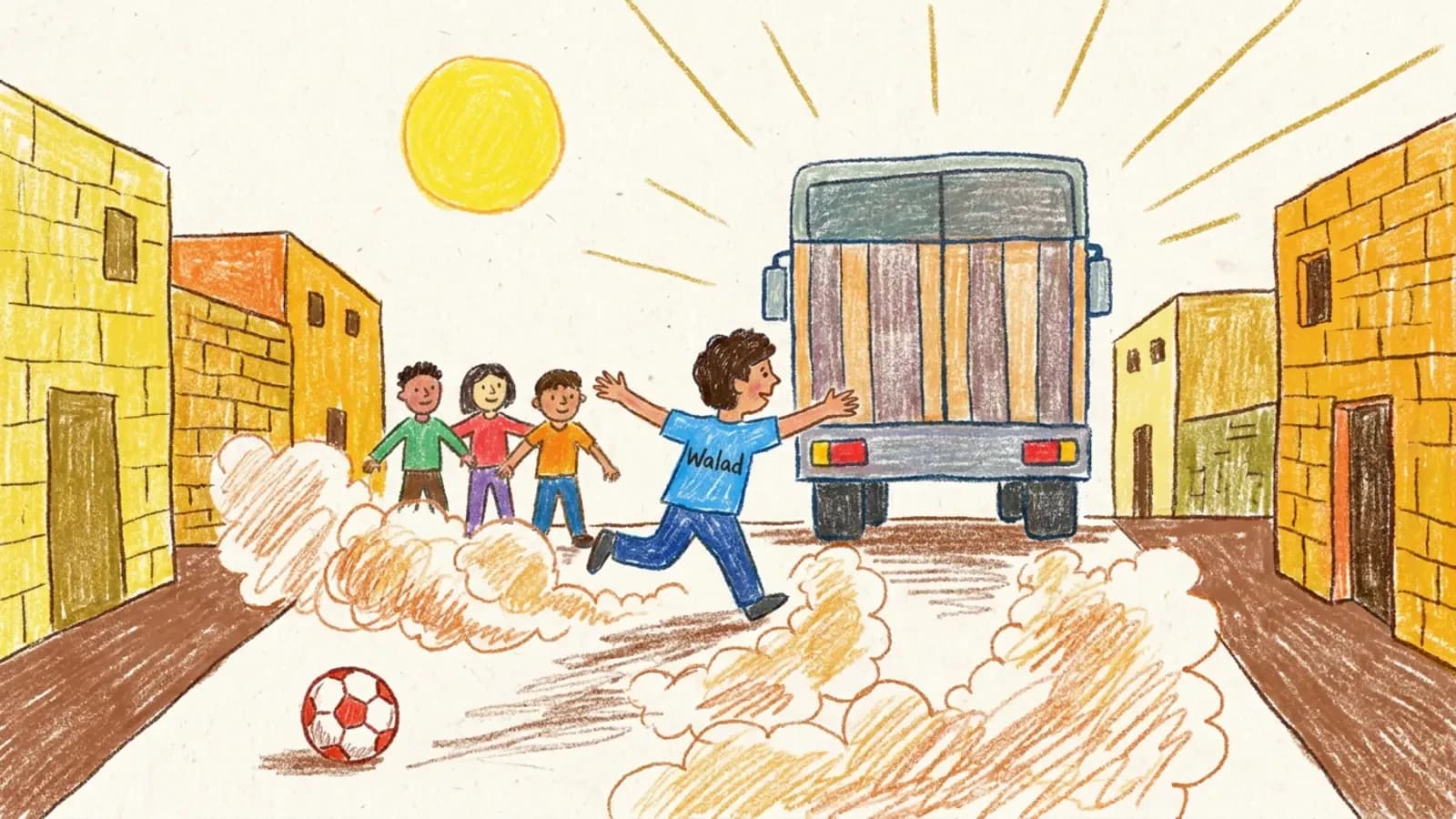
A lorry stopped in front of one of the houses in our neighbourhood, interrupting our football match. We all stopped playing and turned to look at the lorry. The door by the driver opened, and slowly out stepped a short man, slightly built and shabbily dressed…
Farah Ziyad Akka, 15 — Askar al-Jadid Camp, Nablus
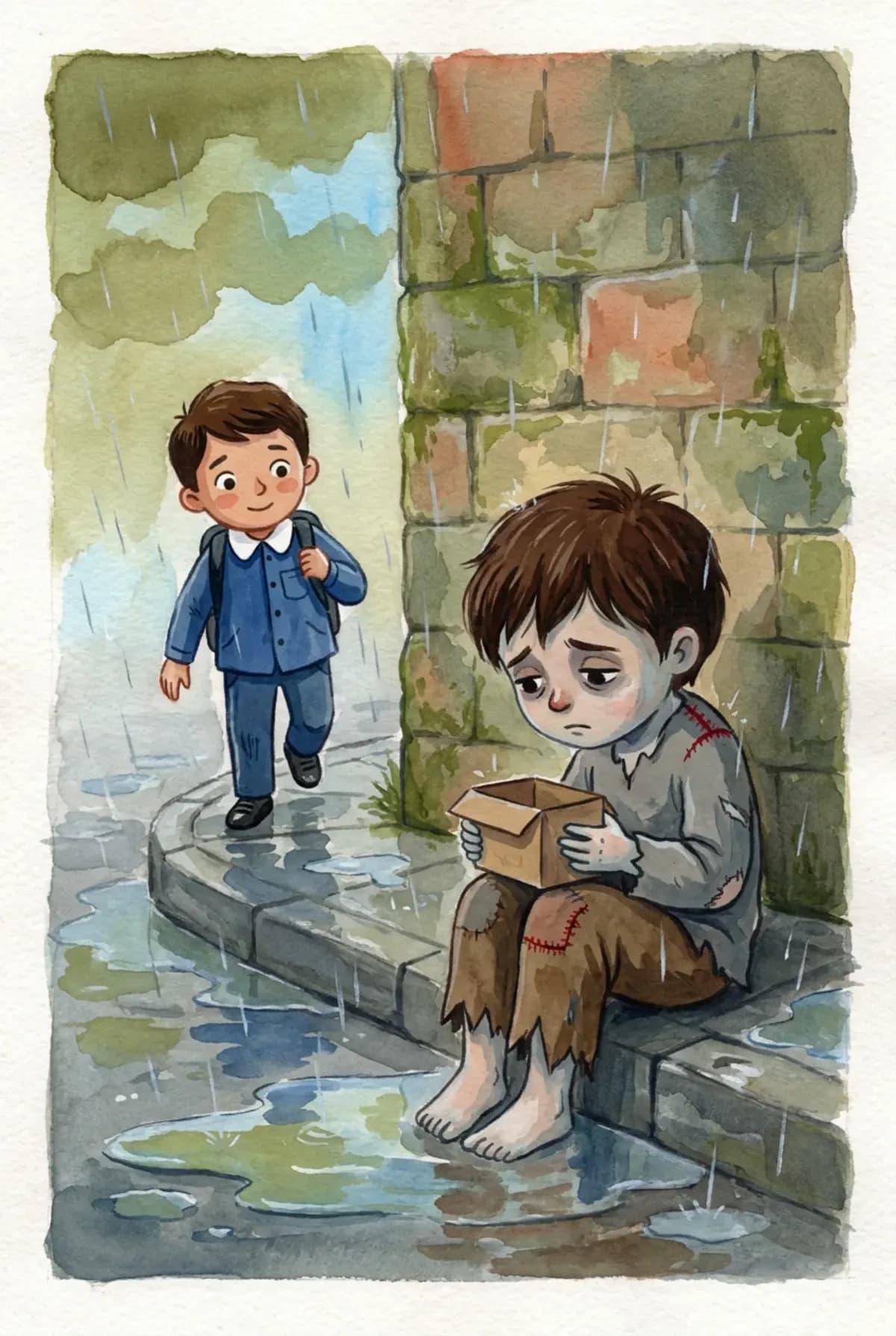
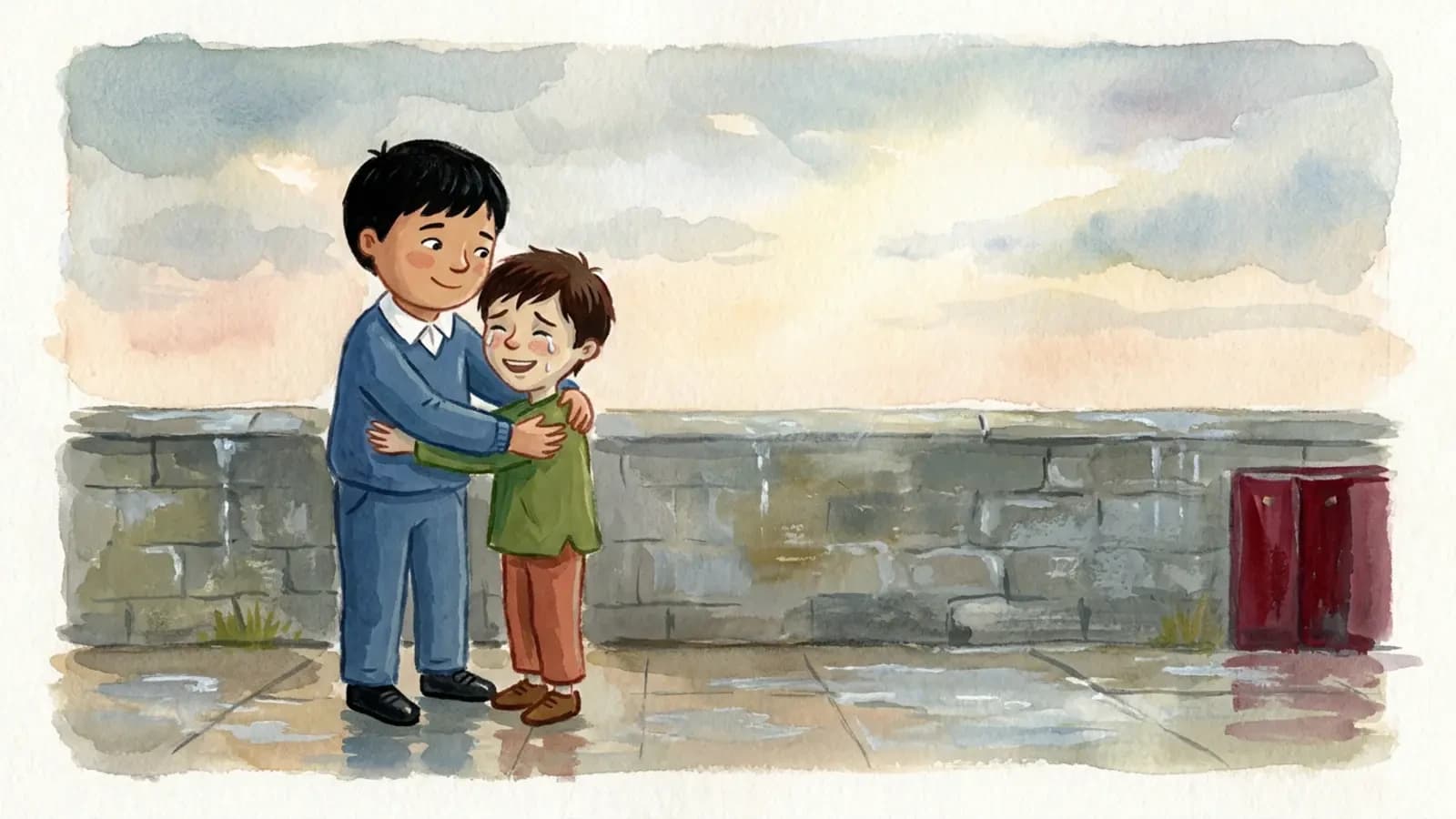
He sat at the roadside, drenched in the rain. His clothes were ragged and old, his shoes worn and torn, and he held a small box of chewing gum in his hands. I was walking to school when I saw him shivering from the cold…
Shereen Sayegh, 16 — Askar al-Jadid Camp, Nablus
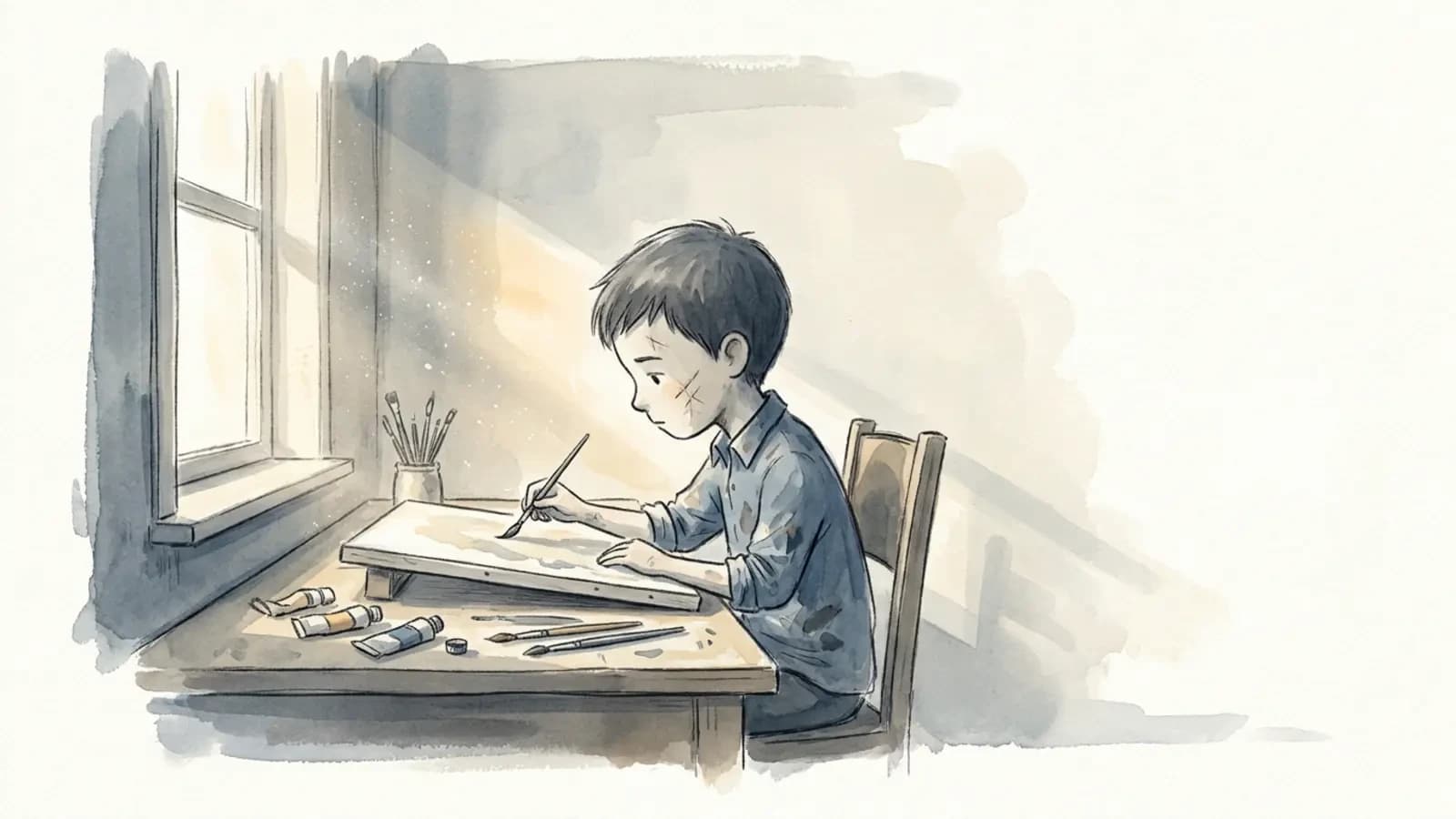
When his face was burnt by steam from a pressure cooker, they bullied him. Rami the polite child was loved by everyone; they loved sitting with him, playing and talking with him. One day Rami invited his two friends Hassan and Hussein to have lunch at his house…
Meis Mohammad Thawabteh, 14 — Marah Rabah
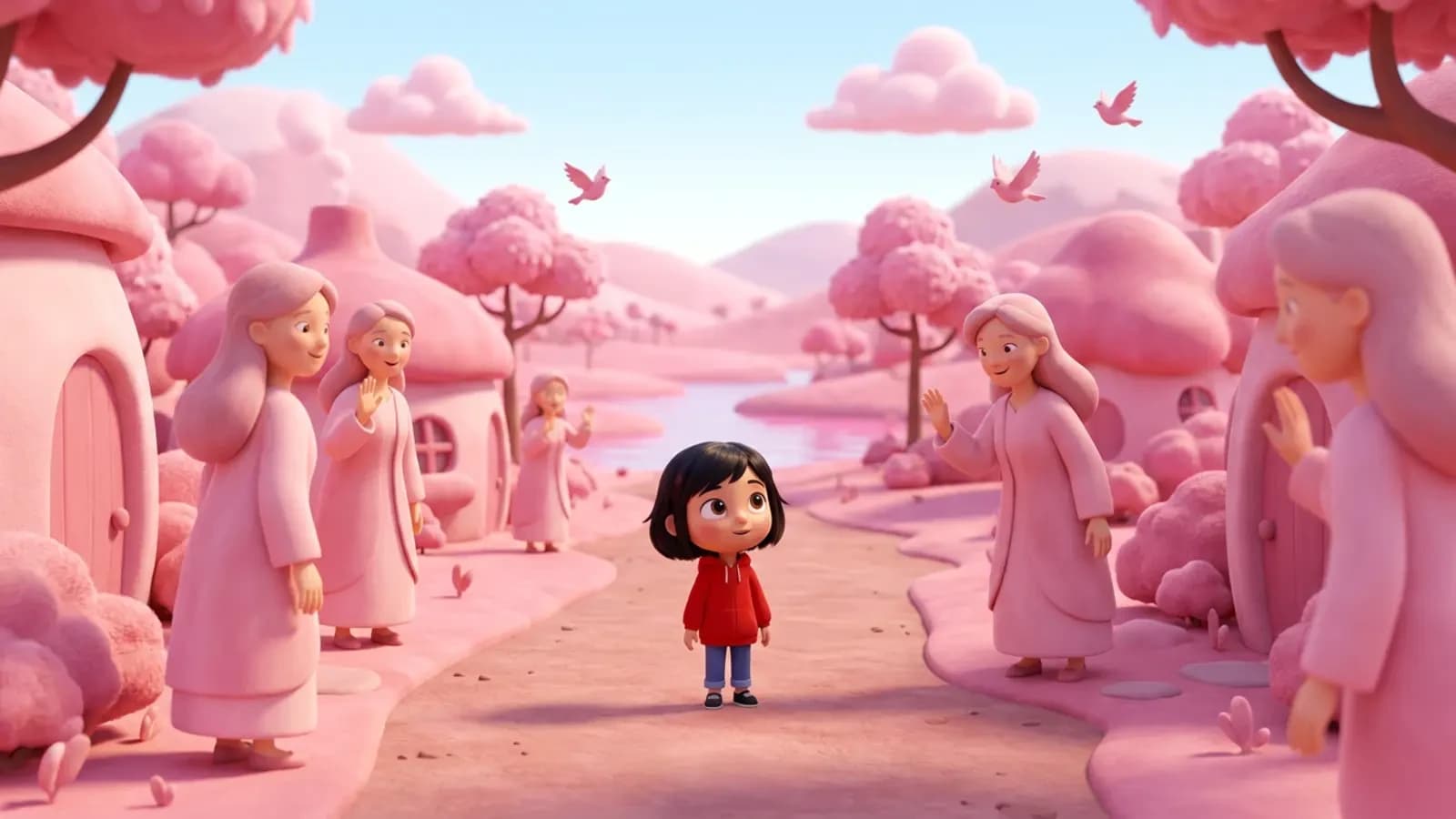
Rama was a young, innocent girl who had many dreams, but she always believed that dreams stay dreams, so we should dream and enjoy our dreams even though we know they won’t come true. And Rama had…
Basmala Hamza al-Sheikh, 15 — Marah Rabah
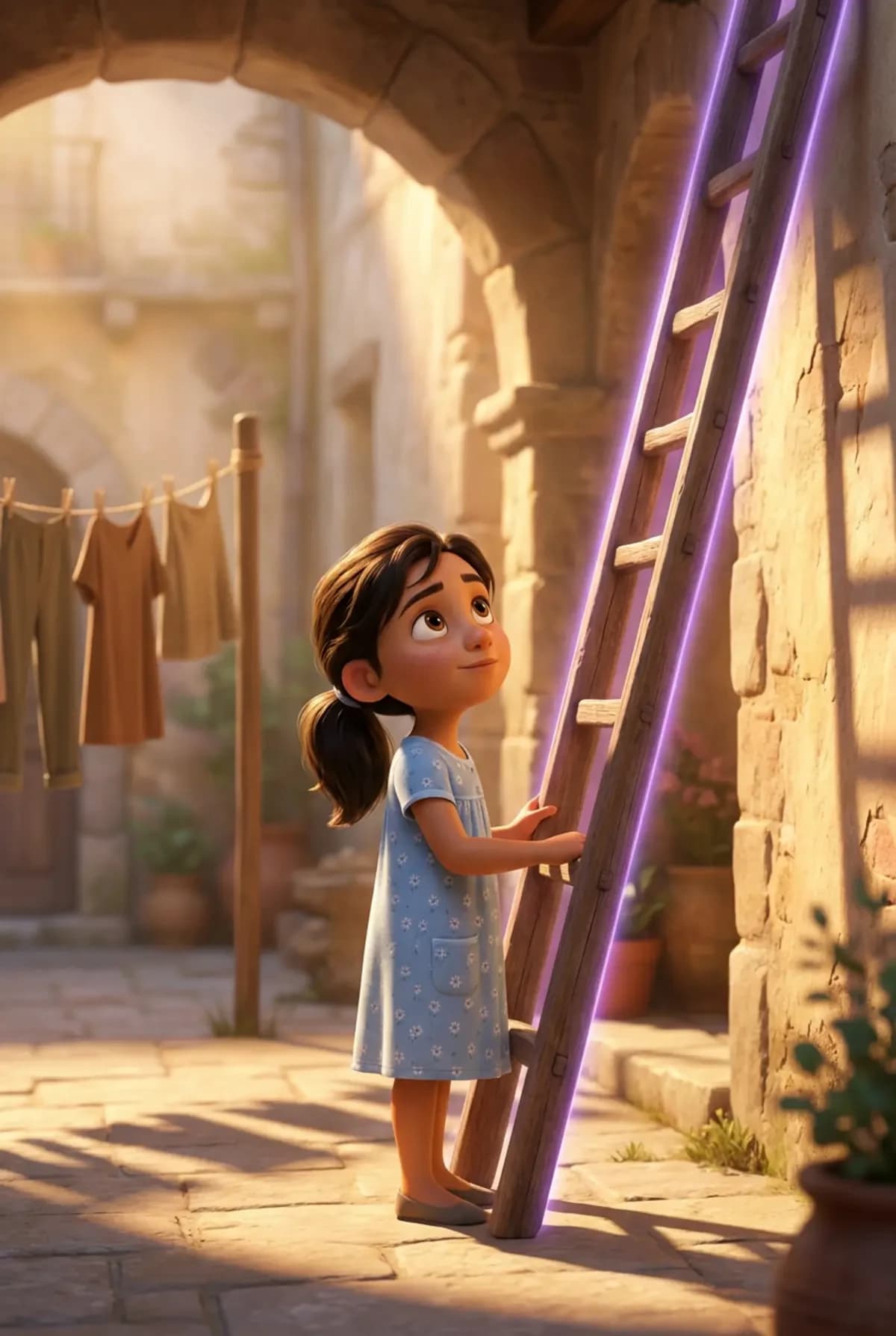
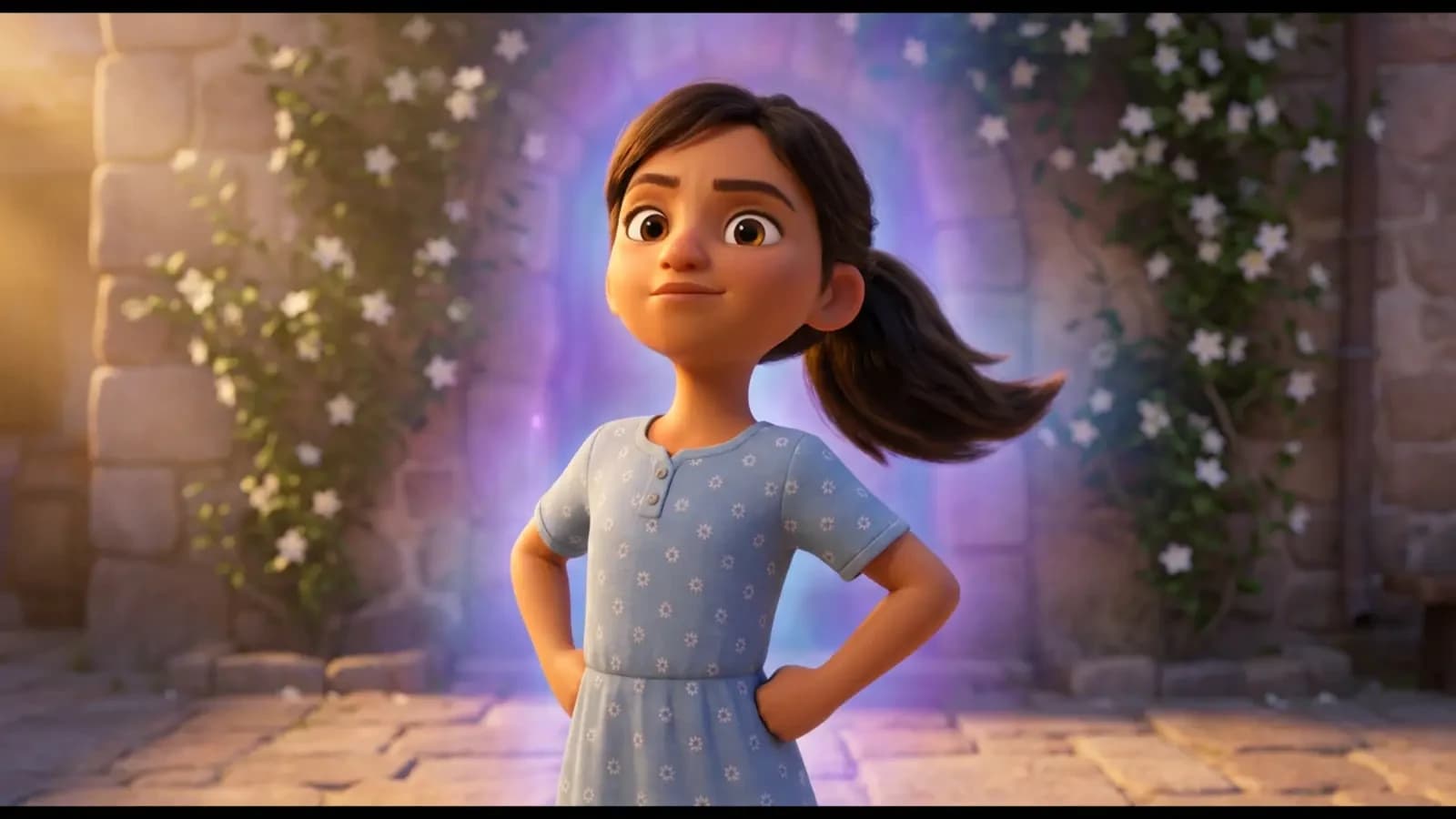
Because she’s the youngest, and the only girl among four boys, everyone bosses her about. They tell her to make their food, brew their tea, and clean their shoes. Whenever Basmala complains about all their demands, she gets shouted at — sometimes even hit…
Jinan Anwar al-Sheikh, 14 — Marah Rabah
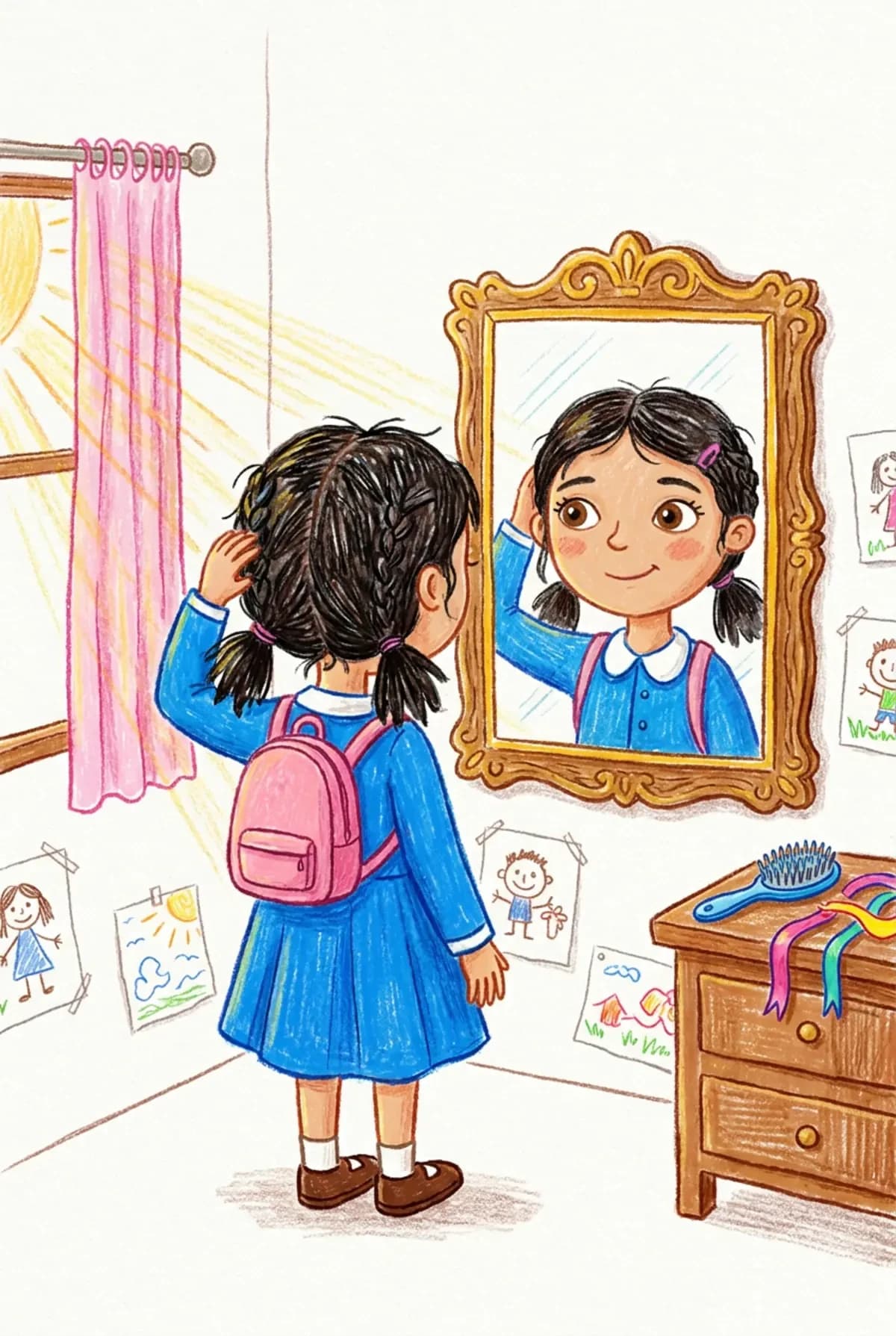
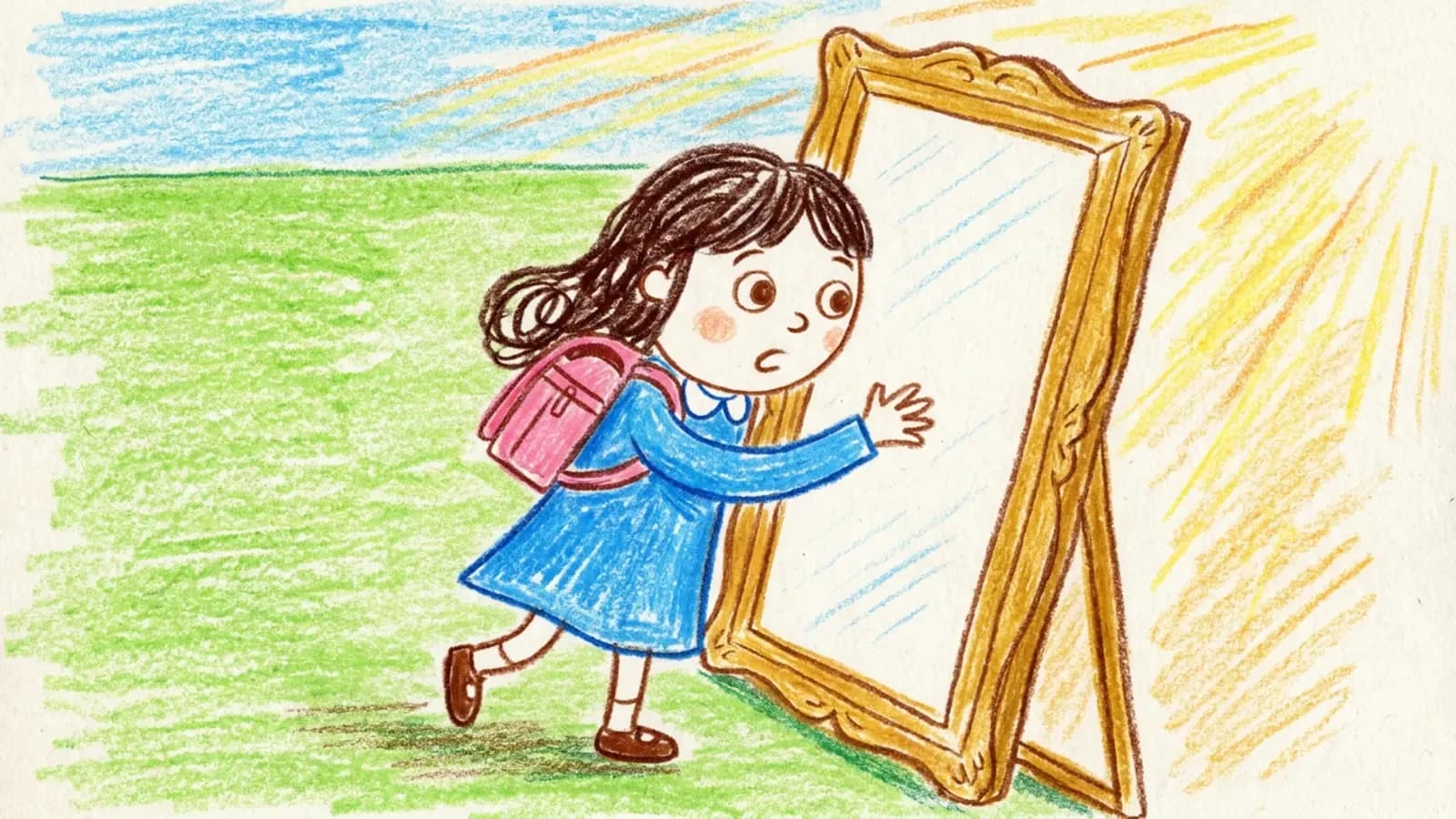
Like every ordinary morning, I stood before my mirror to tidy my clothes and brush my hair before going to school. It took me ages to change my hairstyle, and when I looked at my watch, it was already half past seven.
Fawziya Ali Abu Ra’iya, 18 — Tarqumiyah
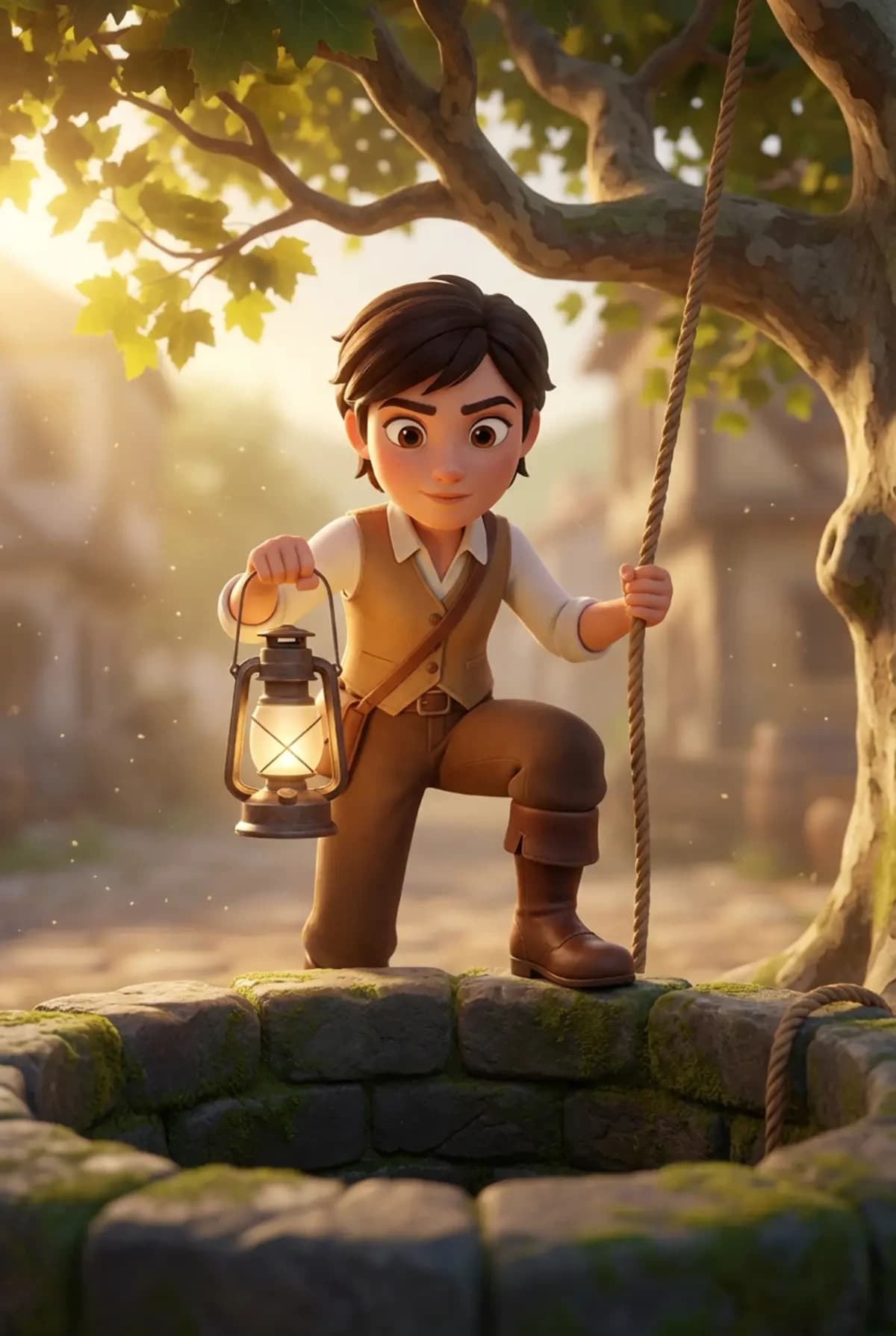
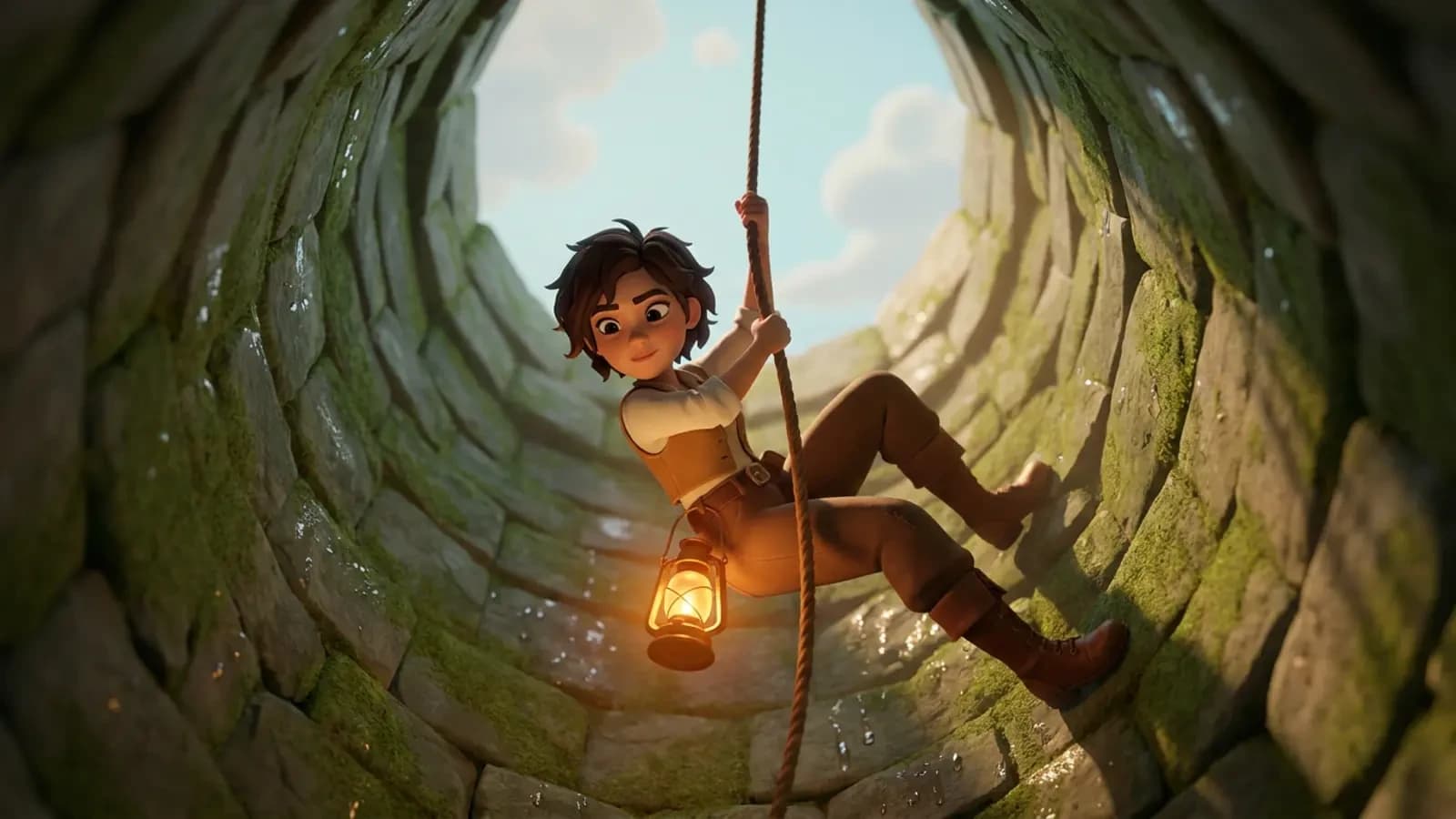
“Whoever goes down this well never returns.” That’s what one of the residents of that small Moroccan town told me. I’d heard so much about that well that curiosity got the better of me — I had to visit it and discover the secret behind it.
Mohammed Murad Qabaja, 18 — Tarqumiya
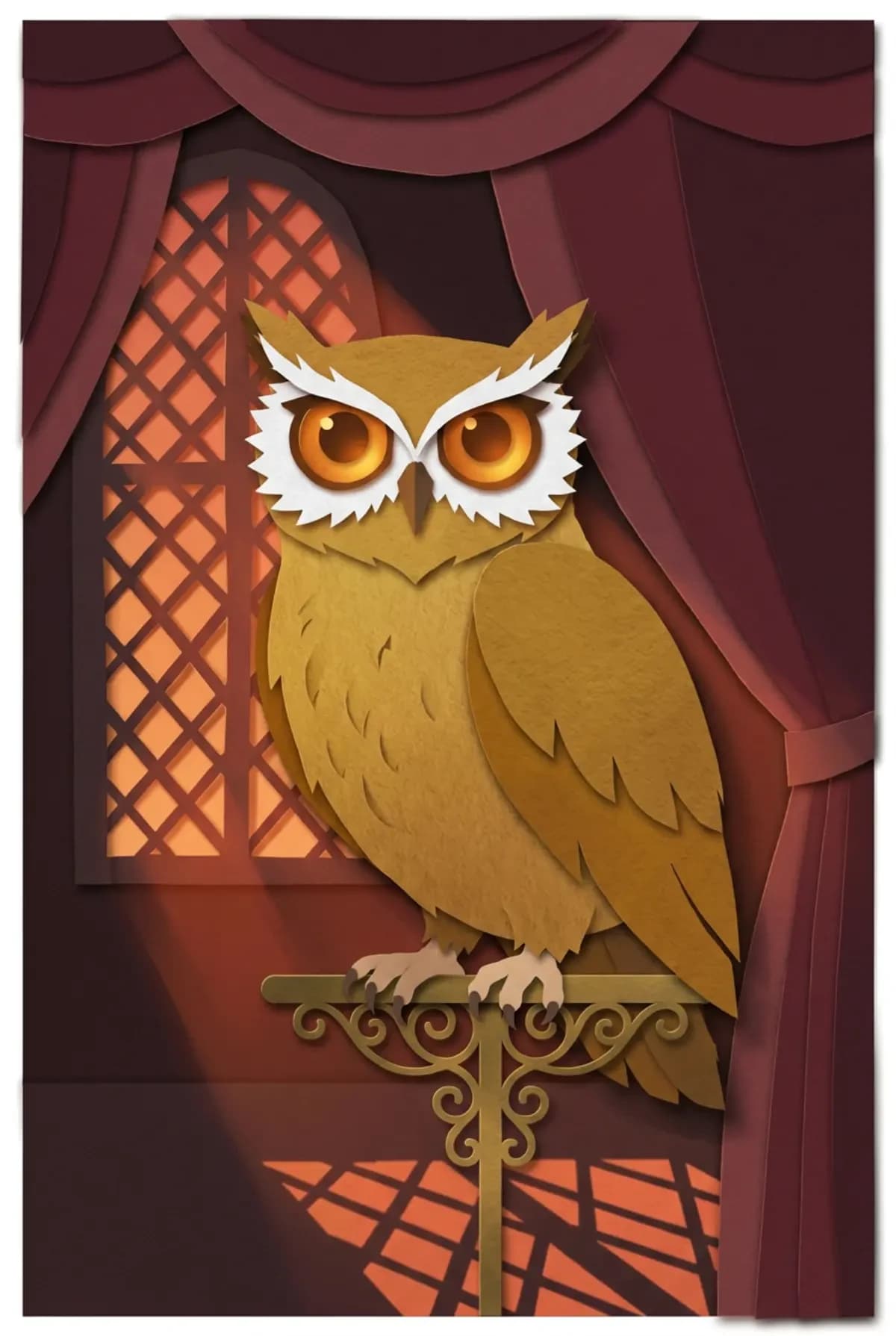
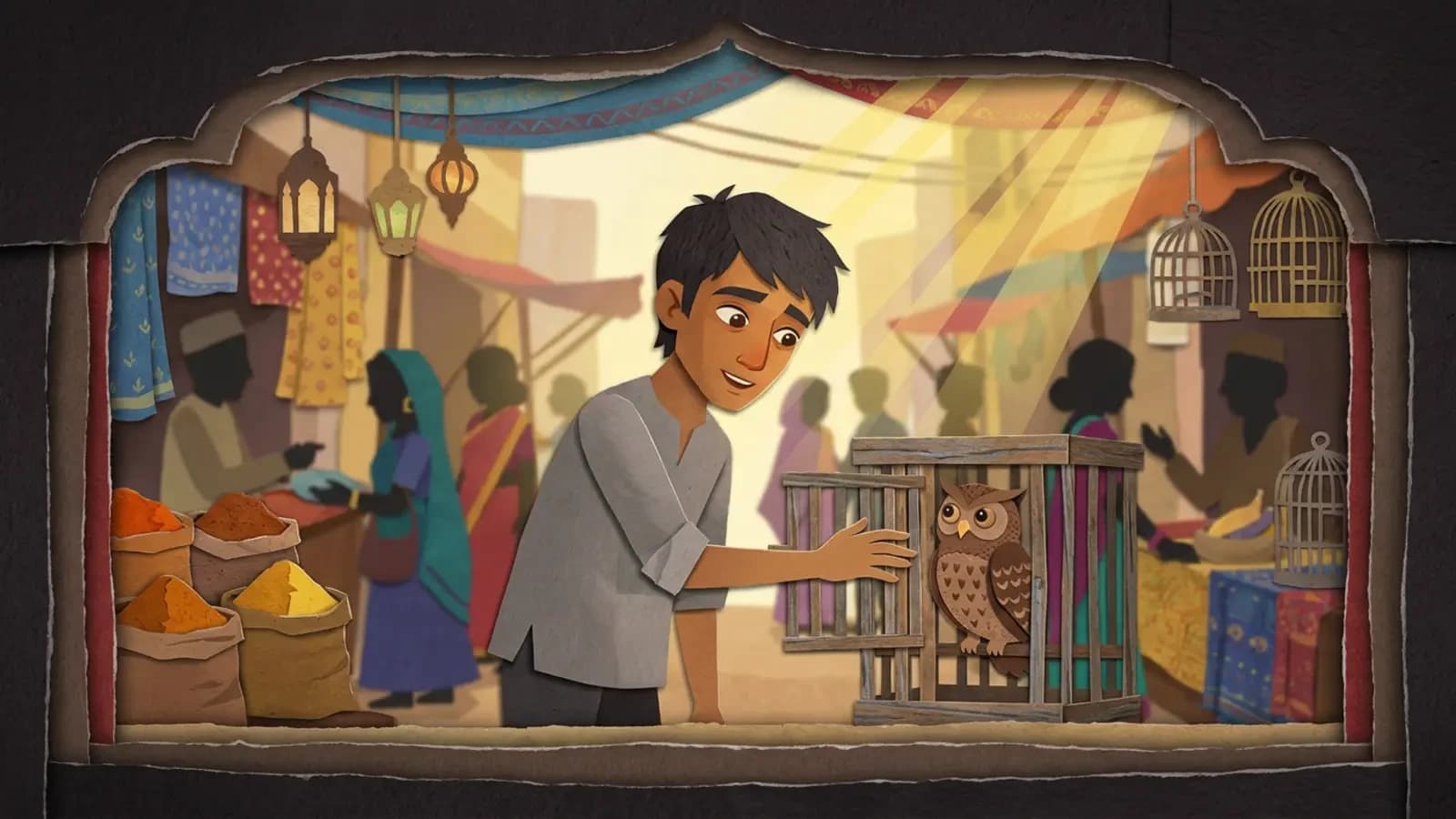
I adore owls. Unlike those who think owls are ugly birds and consider their call an omen of evil and bad luck, I think they’re among the most beautiful birds, and the quietest and cleverest. One day I had the chance to travel to…
Malika Faraj, 14 — Dheisheh Camp, Bethlehem
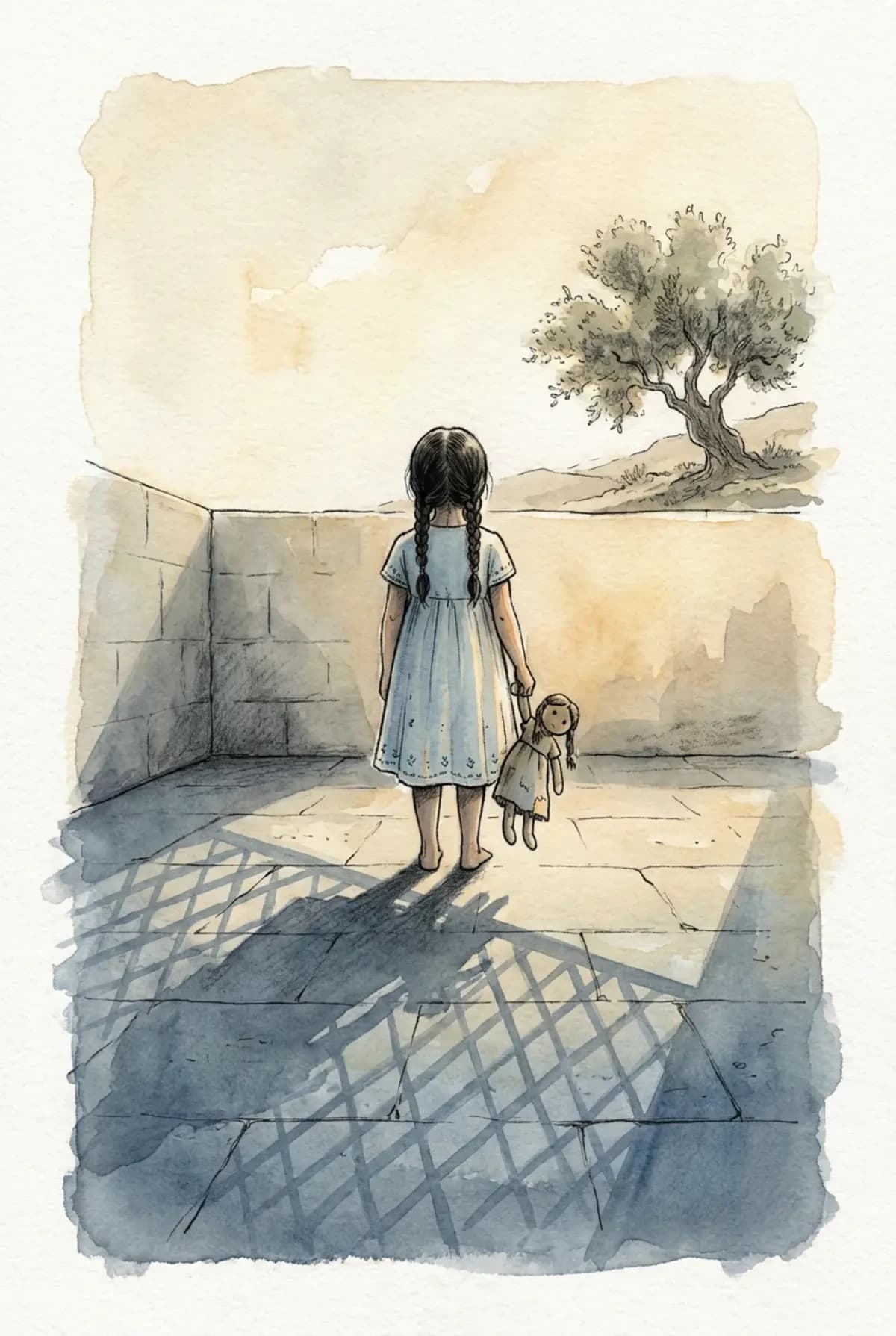
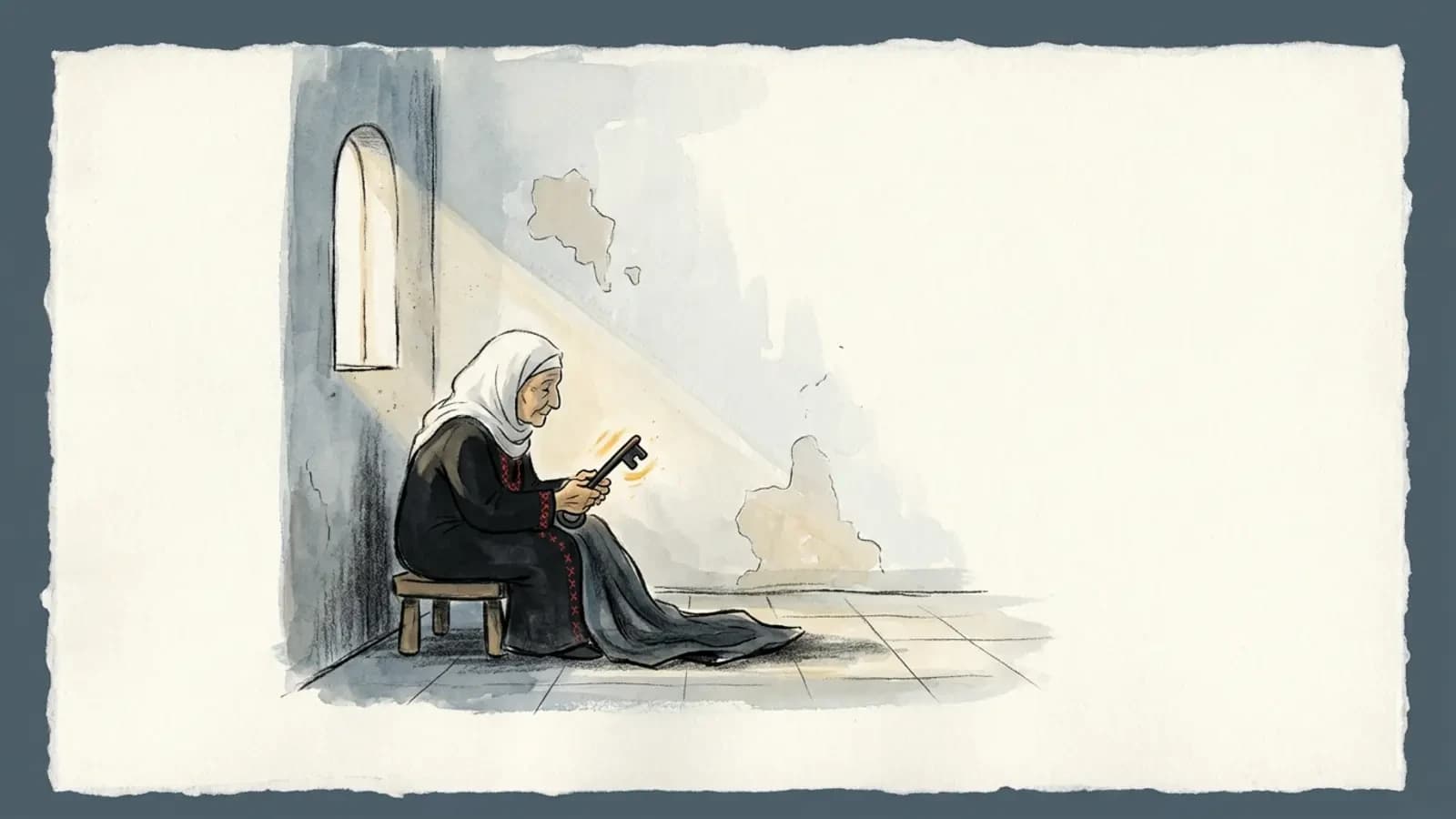
To be Palestinian means a child in the bloom of youth writes her will. That she divides her inheritance of forty-five coins. That she covers her doll, waiting for a rocket. What does it mean to be Palestinian?
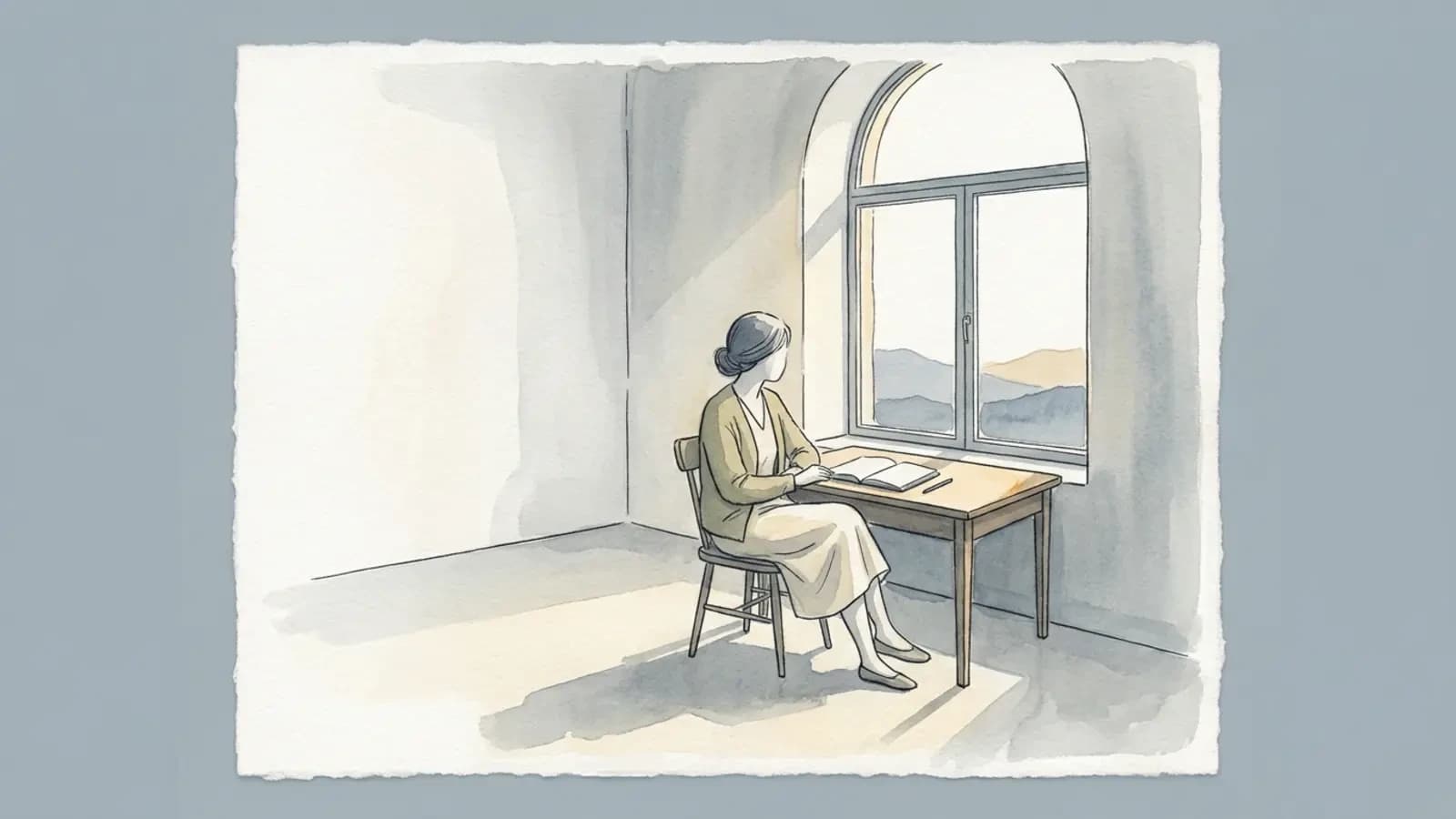
Reen Adel Faraj, 14 — Dheisheh Camp
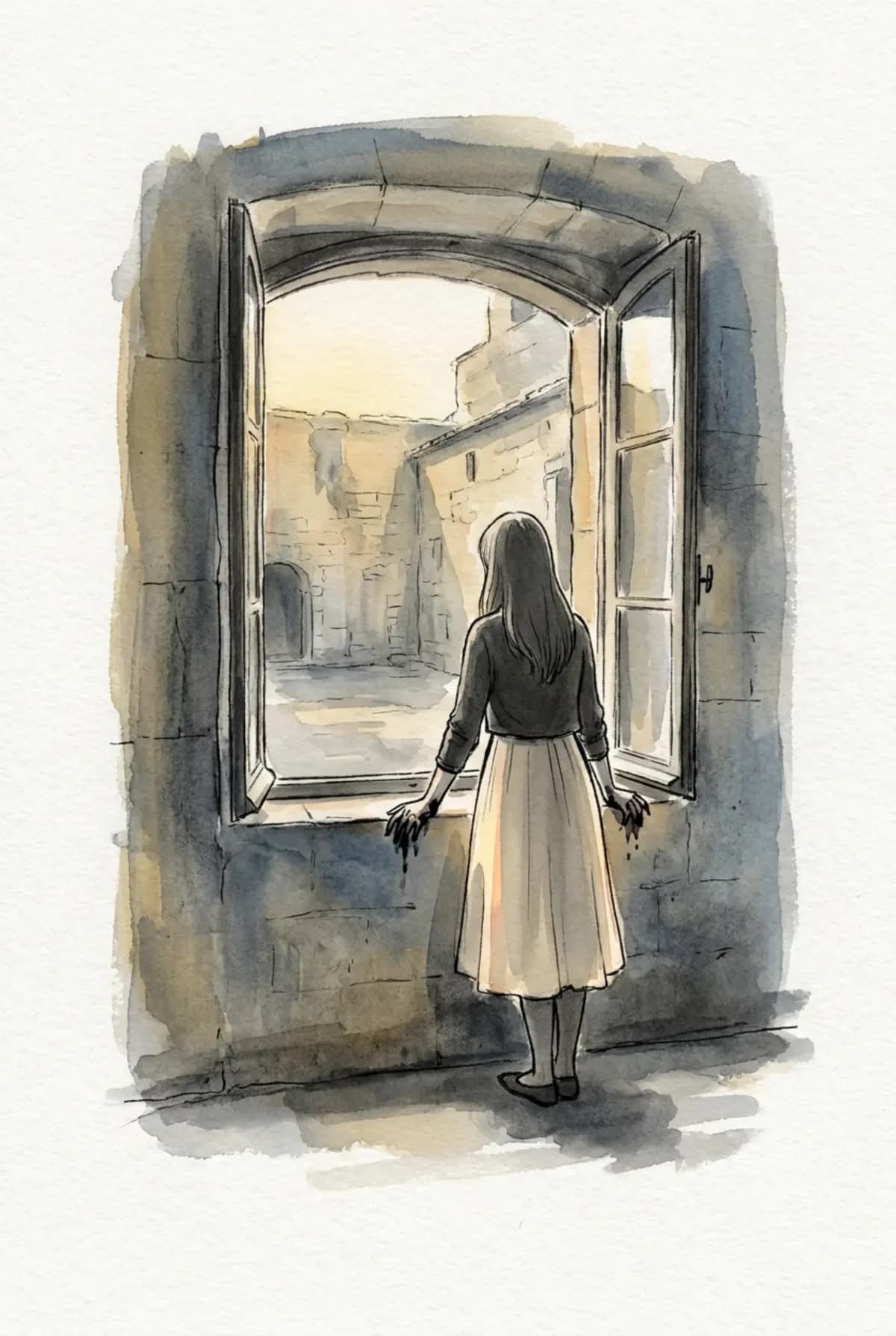
There are moments when a person feels that words are the only hand reaching out when everything else has fallen away. In those moments, ink is not merely colour on paper, but becomes a small window…
Maysaa Mohammed Al-Mattour, 45 — Hebron
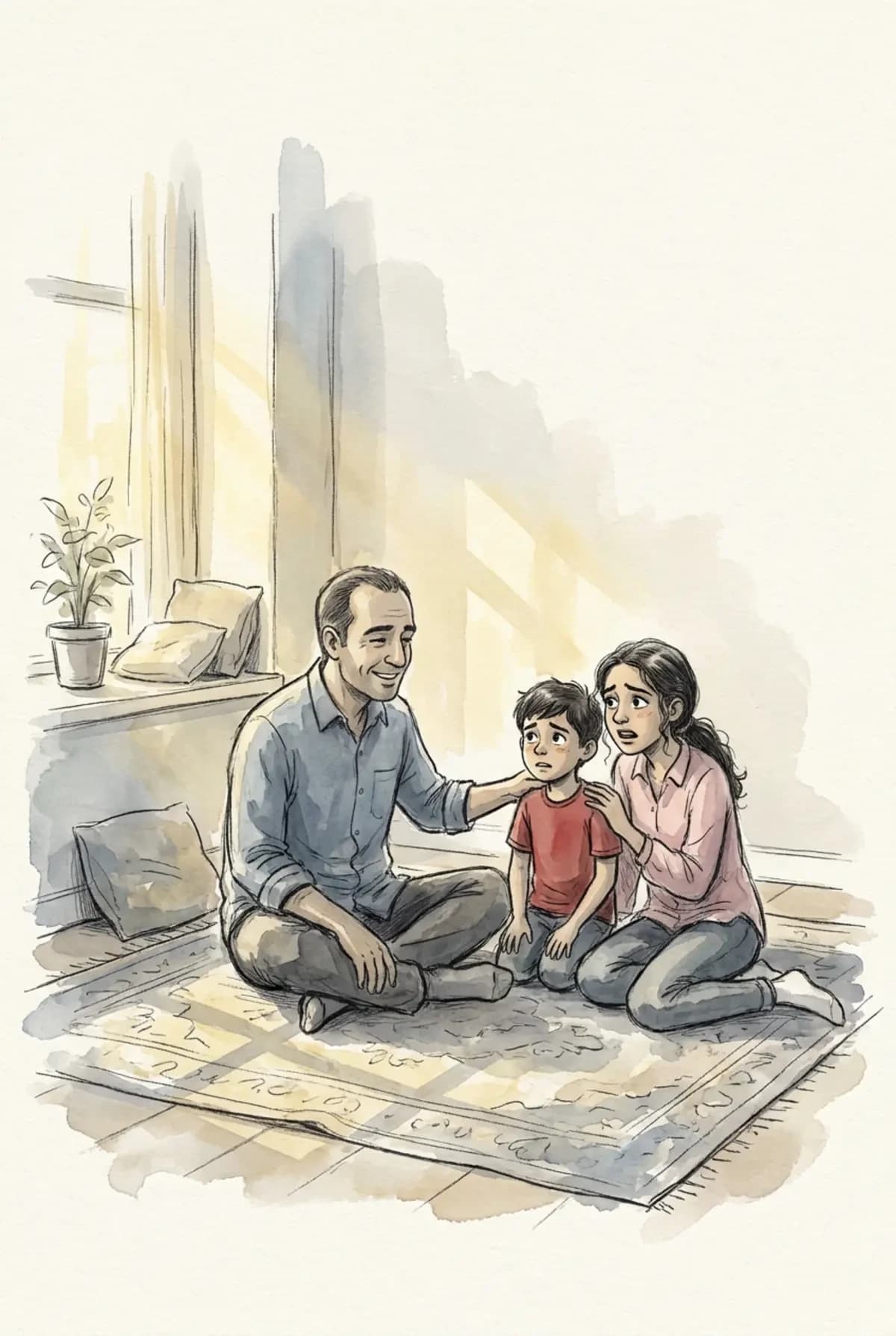
He loved his wife and children dearly. He wore himself out for them, laughed with them, played with them, took them everywhere with him, tired himself for their sake without ever letting them feel his weariness. He was a kind and loving husband, a tender father who gave without limit…
Leen Issa Al-Natsheh, 35 — Hebron
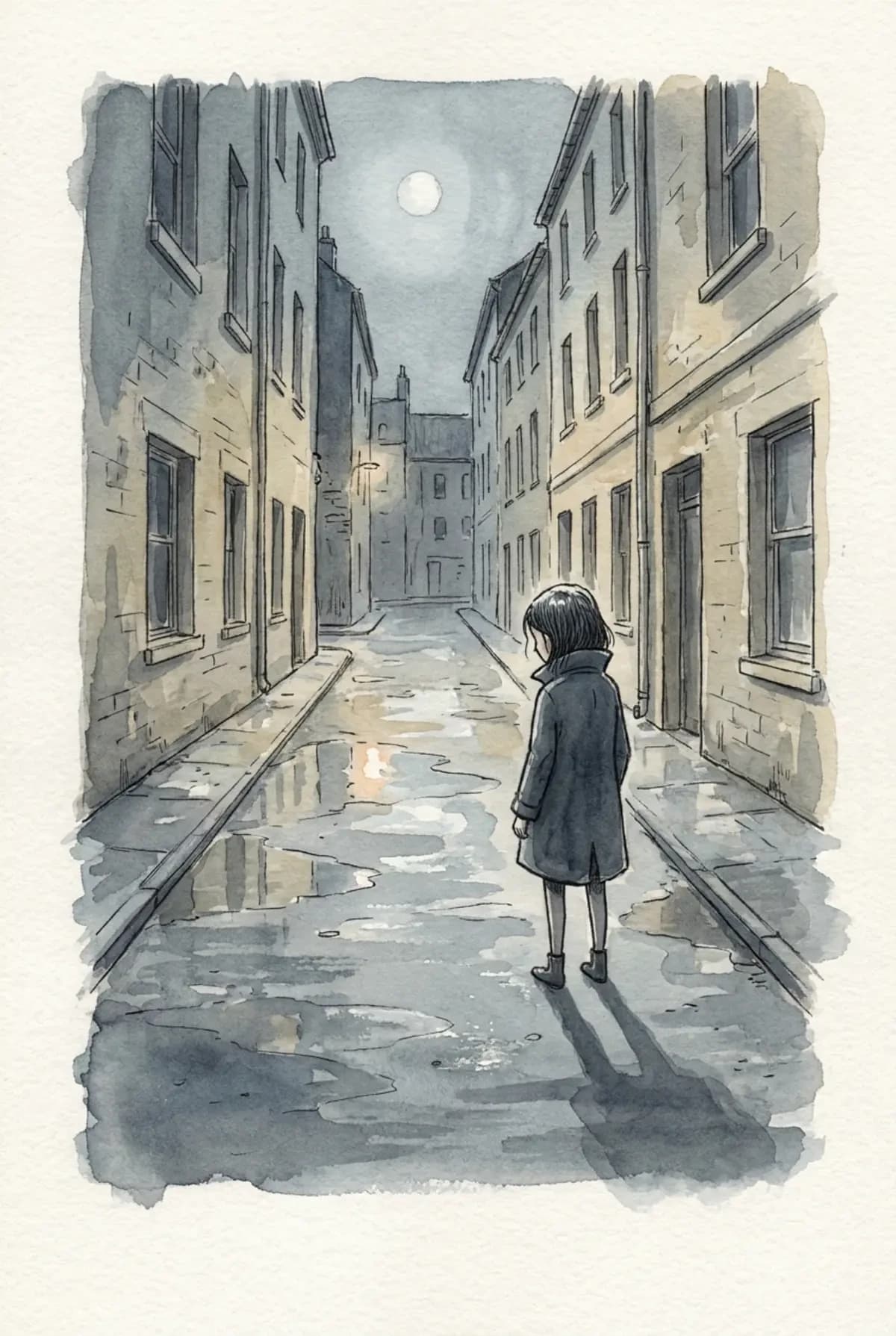
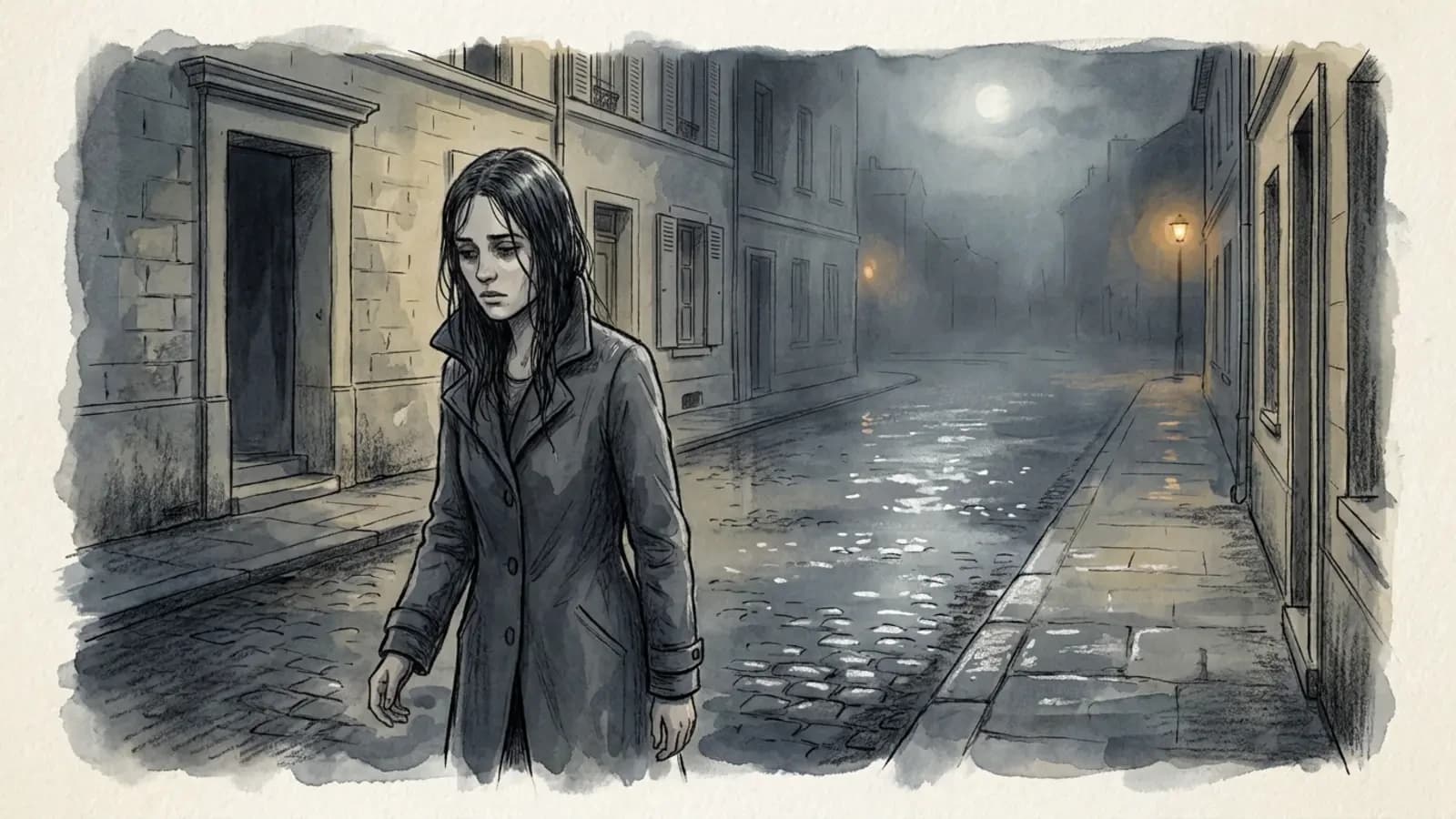
A pale-faced, withered moon casts its feeble light over houses and streets covered in rainwater. That night I walked through the alley and my shadow had a strange presence; my shadow stretched across the asphalt with a clarity that surpassed…
Diana Abu al-Halawa, 45 — Hebron
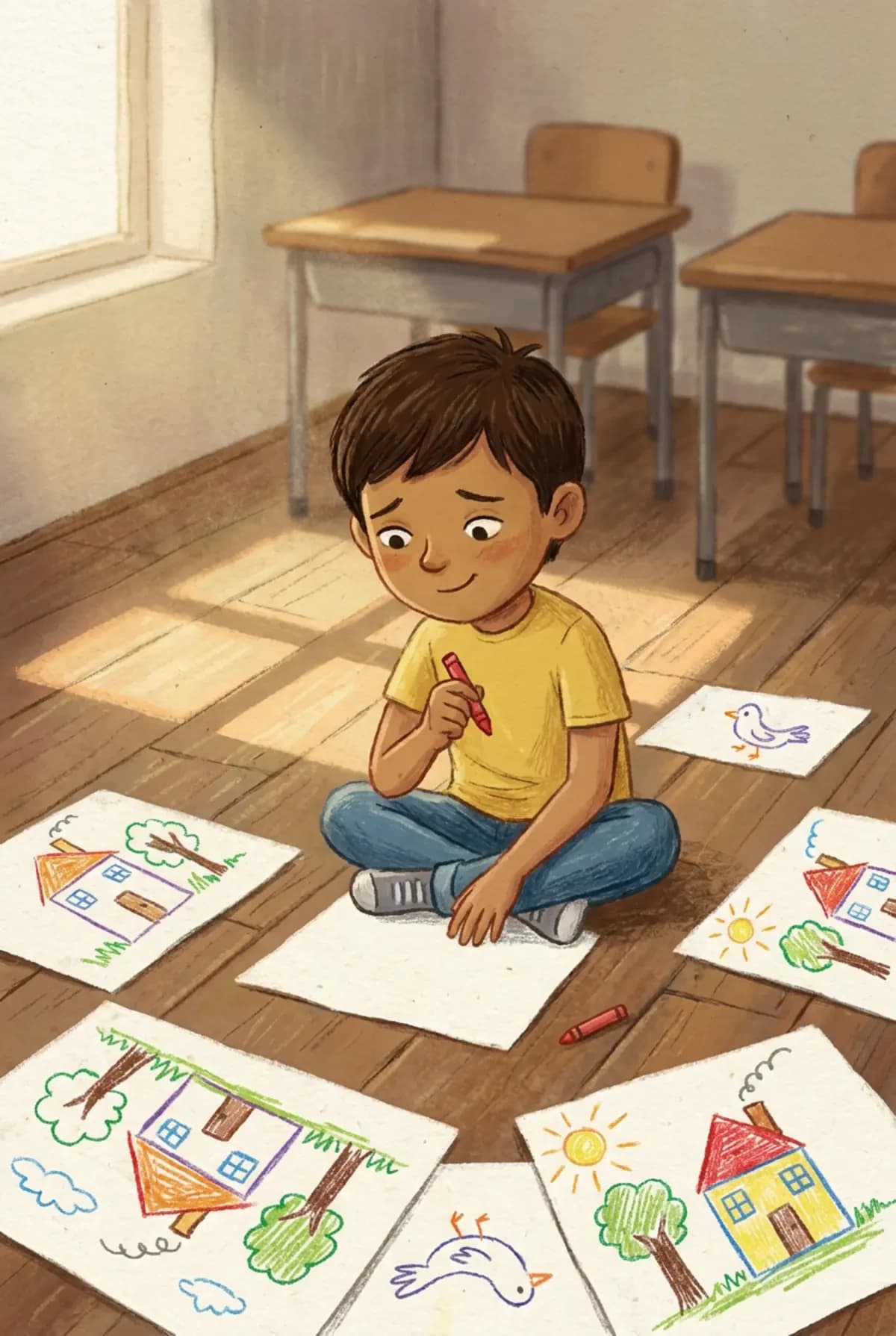
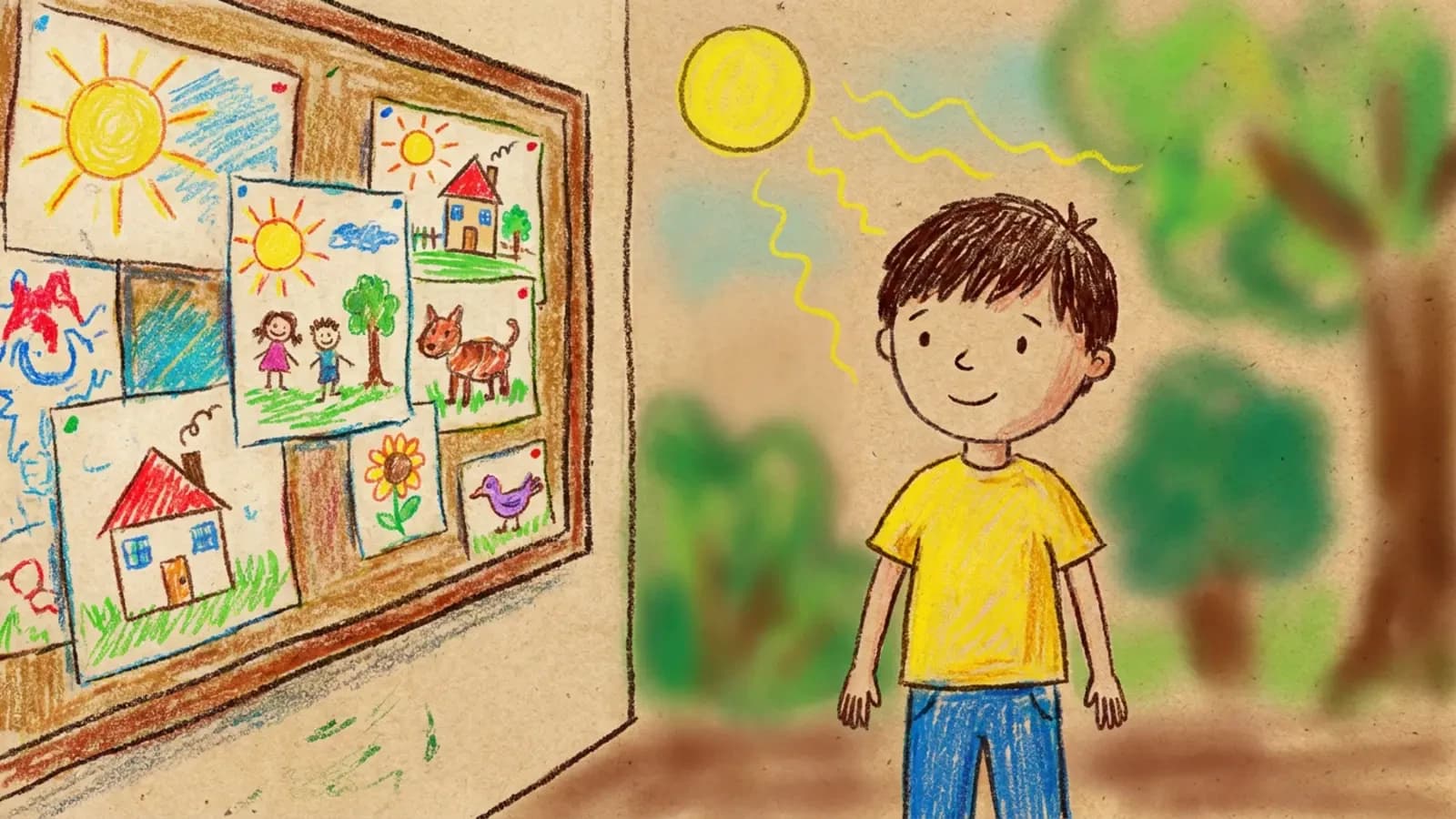
He was a quiet child who loved drawing and colours. He loved to draw his own world: a hut, trees, birds, flowers, a moon, rivers, plains, seas, night and day, suns, rain, animals and mountains. But there was…
Rusaila Abu al-Halawa, 27 — Hebron
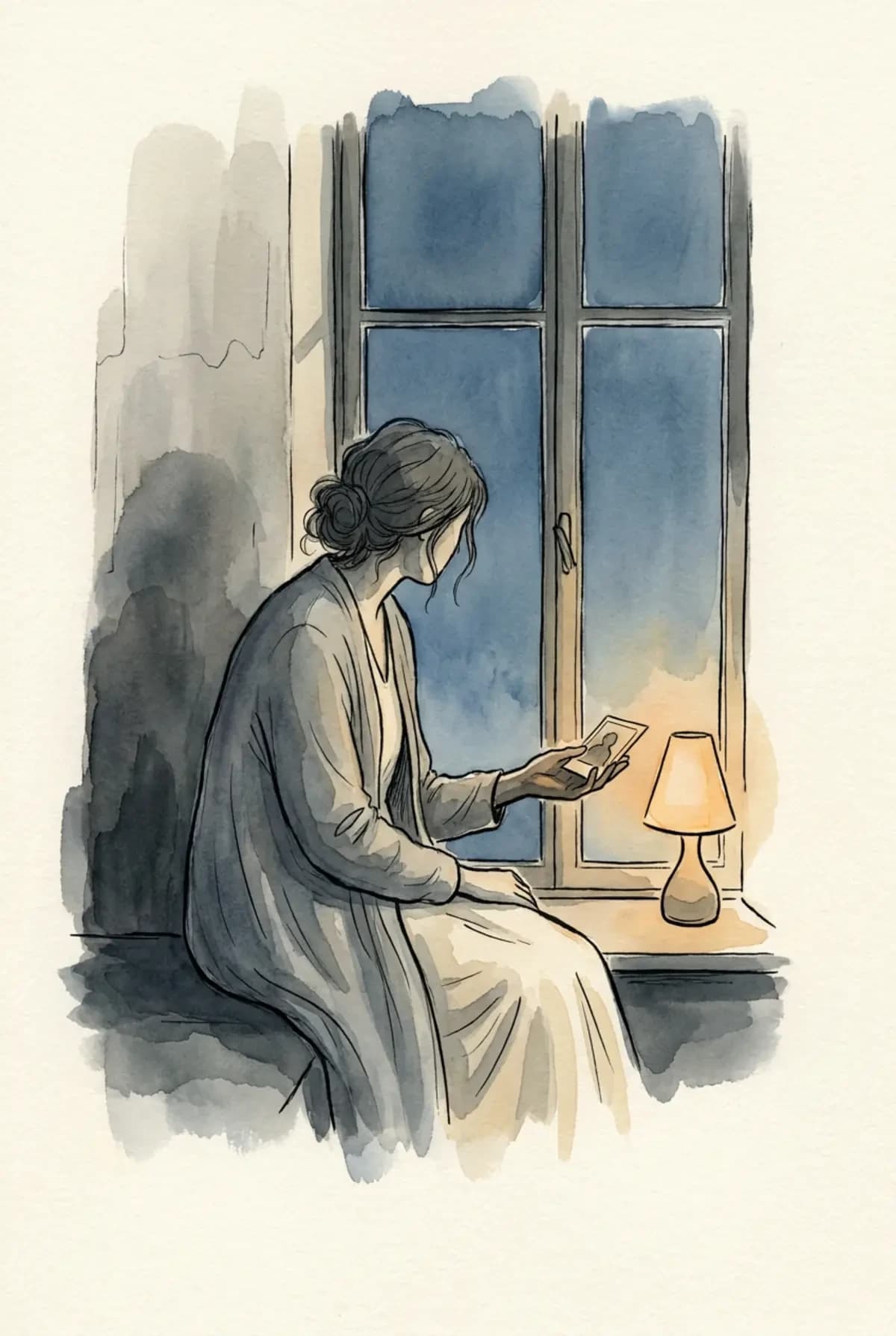
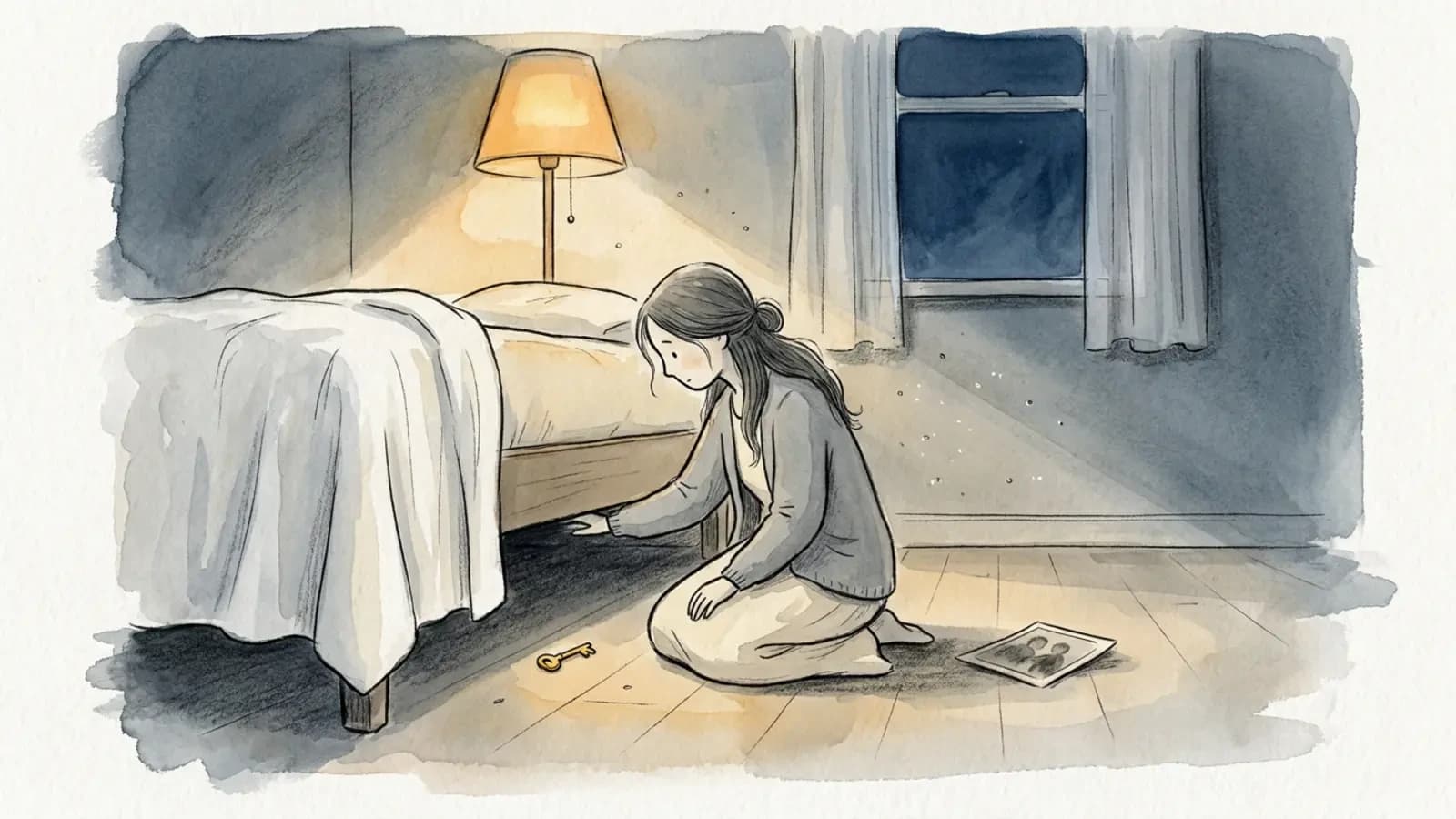
It was a quiet night, quieter than usual. I sat in stillness by the window, watching the sky as though I were seeing it for the first time, searching for something I had lost. In my hands was an old photograph of me as a small child…
Shorouq Samir Masawdeh, 27 — Hebron
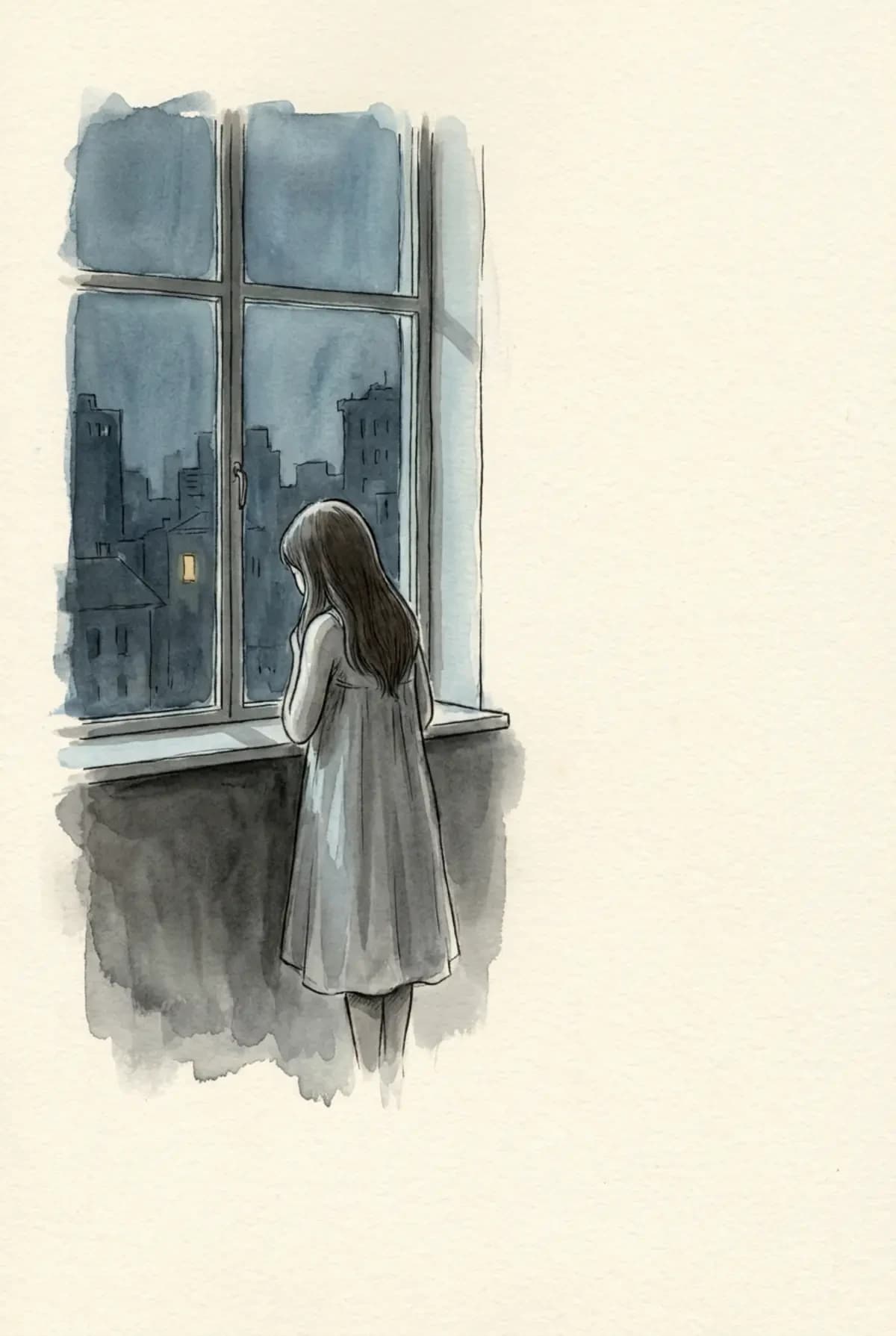
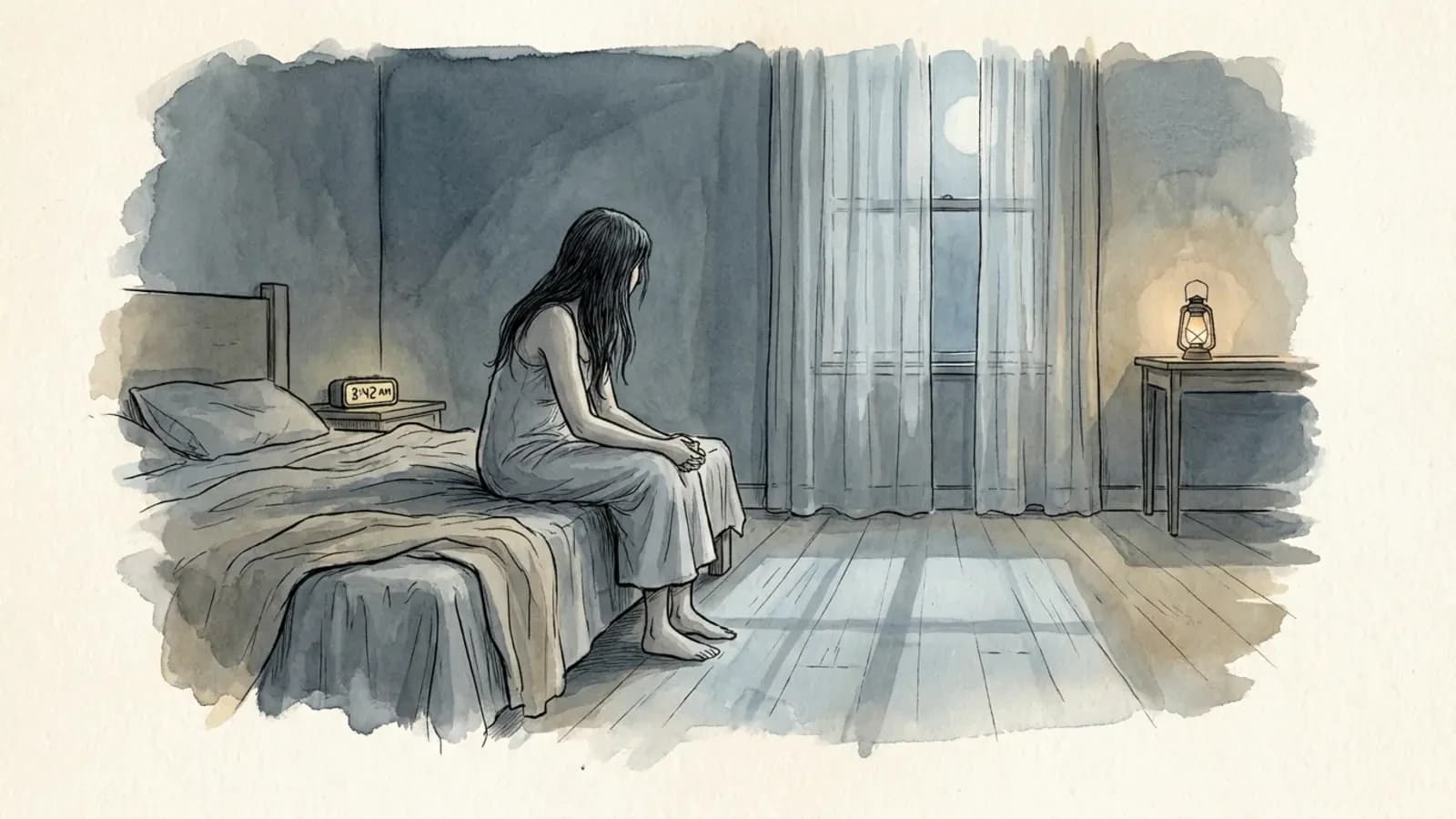
Her problem was not that she could not sleep, but that the whole world slept without her. Cities fall silent at midnight and dreams open their doors to others, while she, she remains outside all of that…
Islam Tahboub, 39 — Hebron
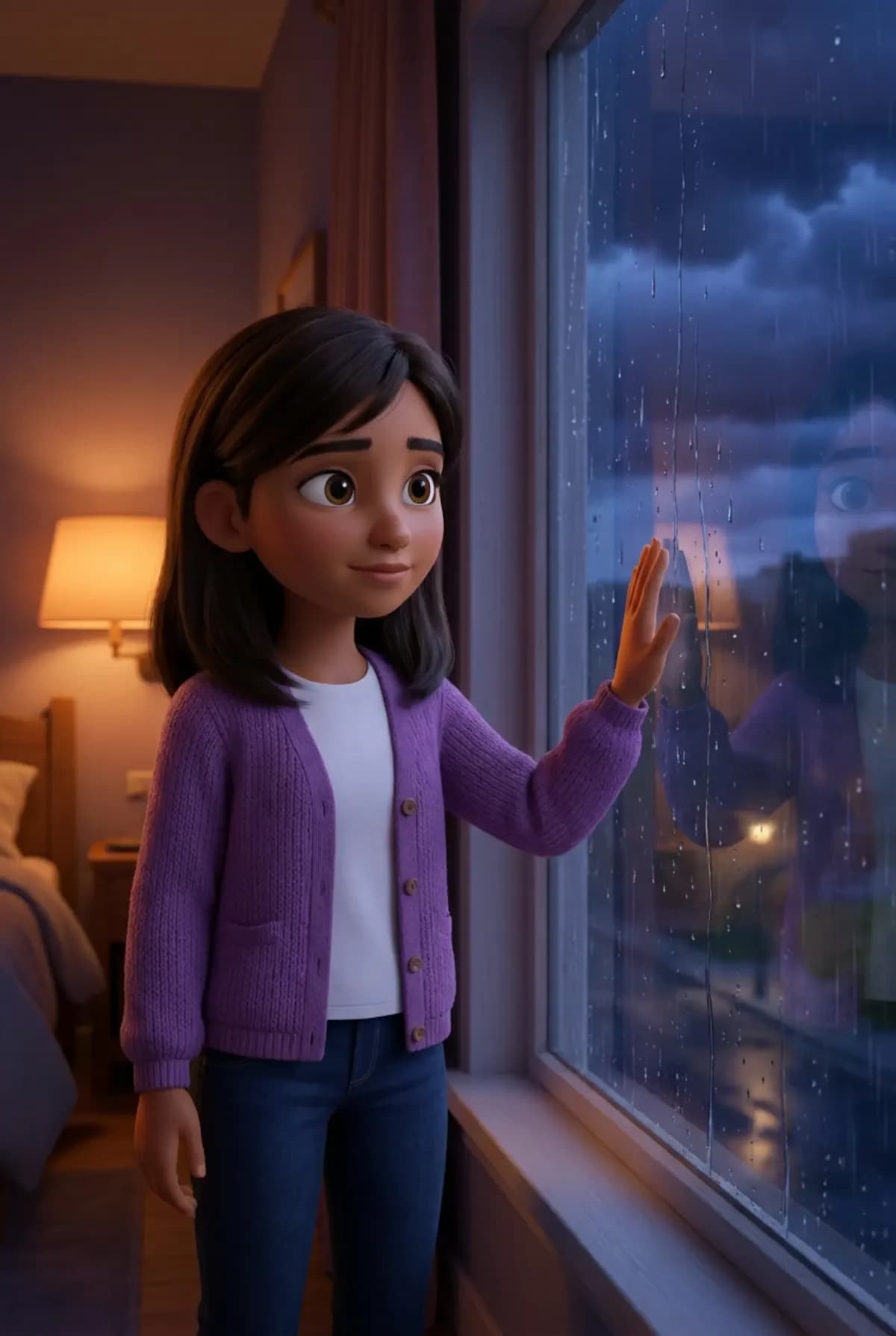
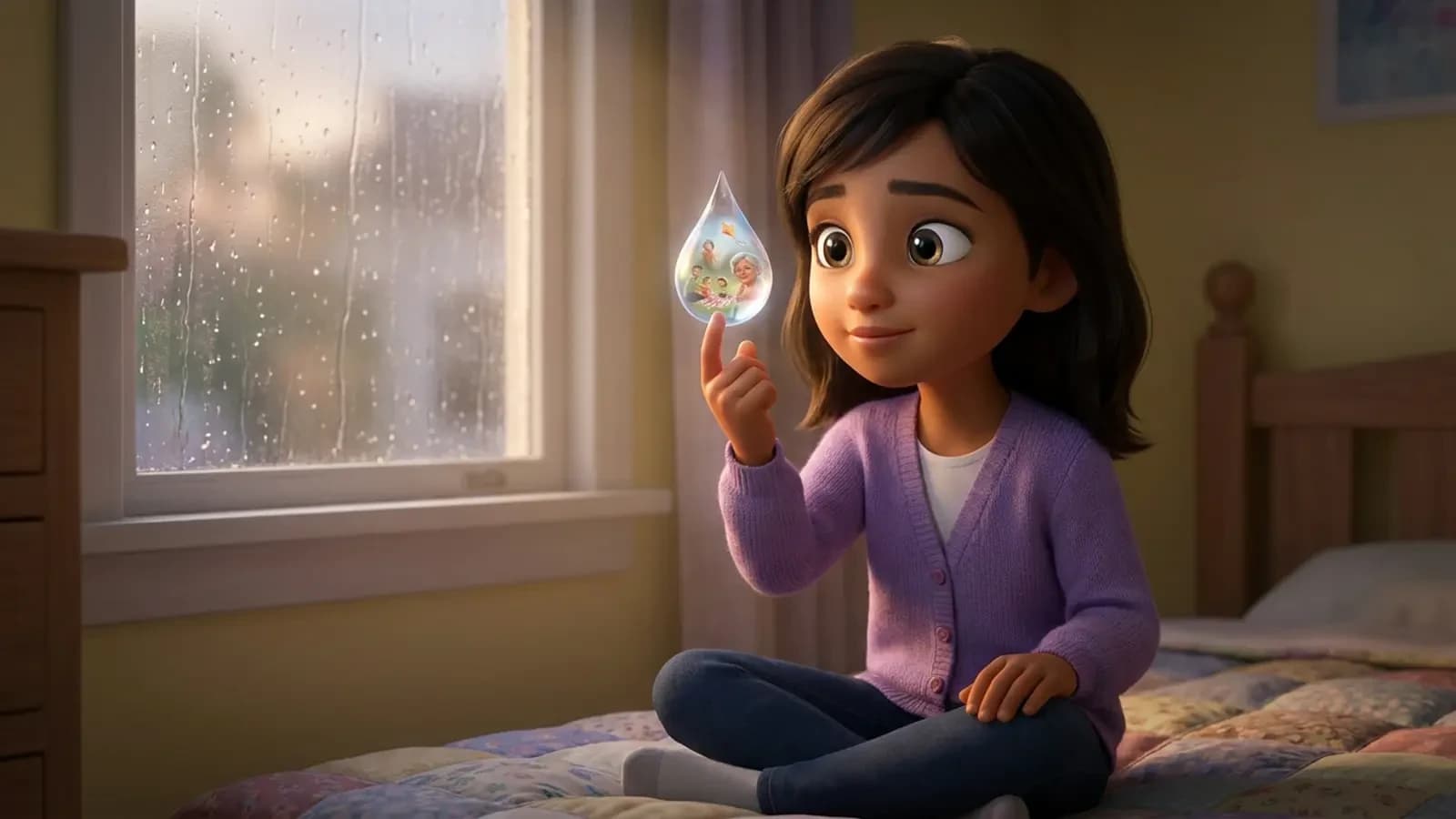
What if rain weren’t just water?
Hind Youssef al-Qawasmi, 14 — Hebron
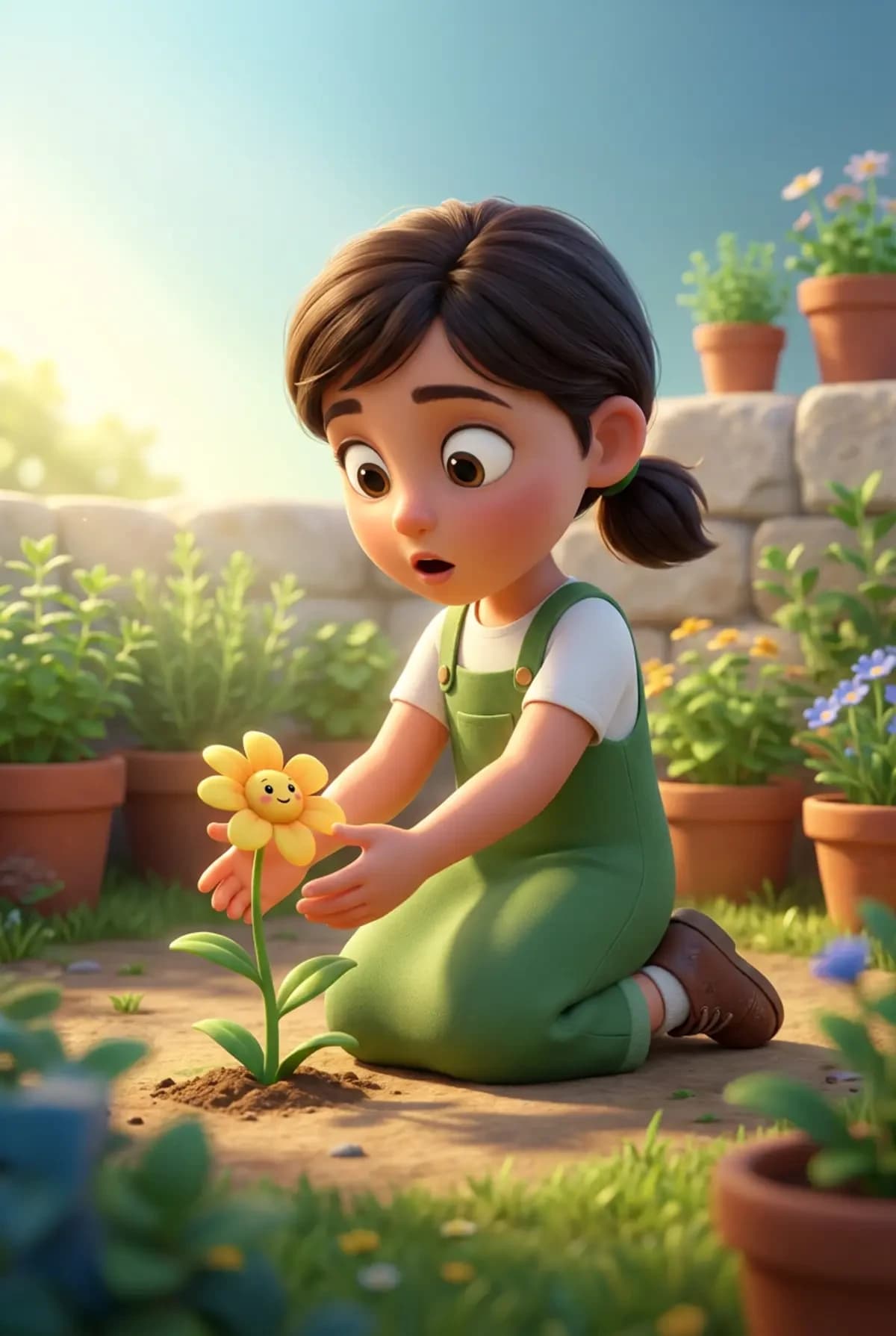
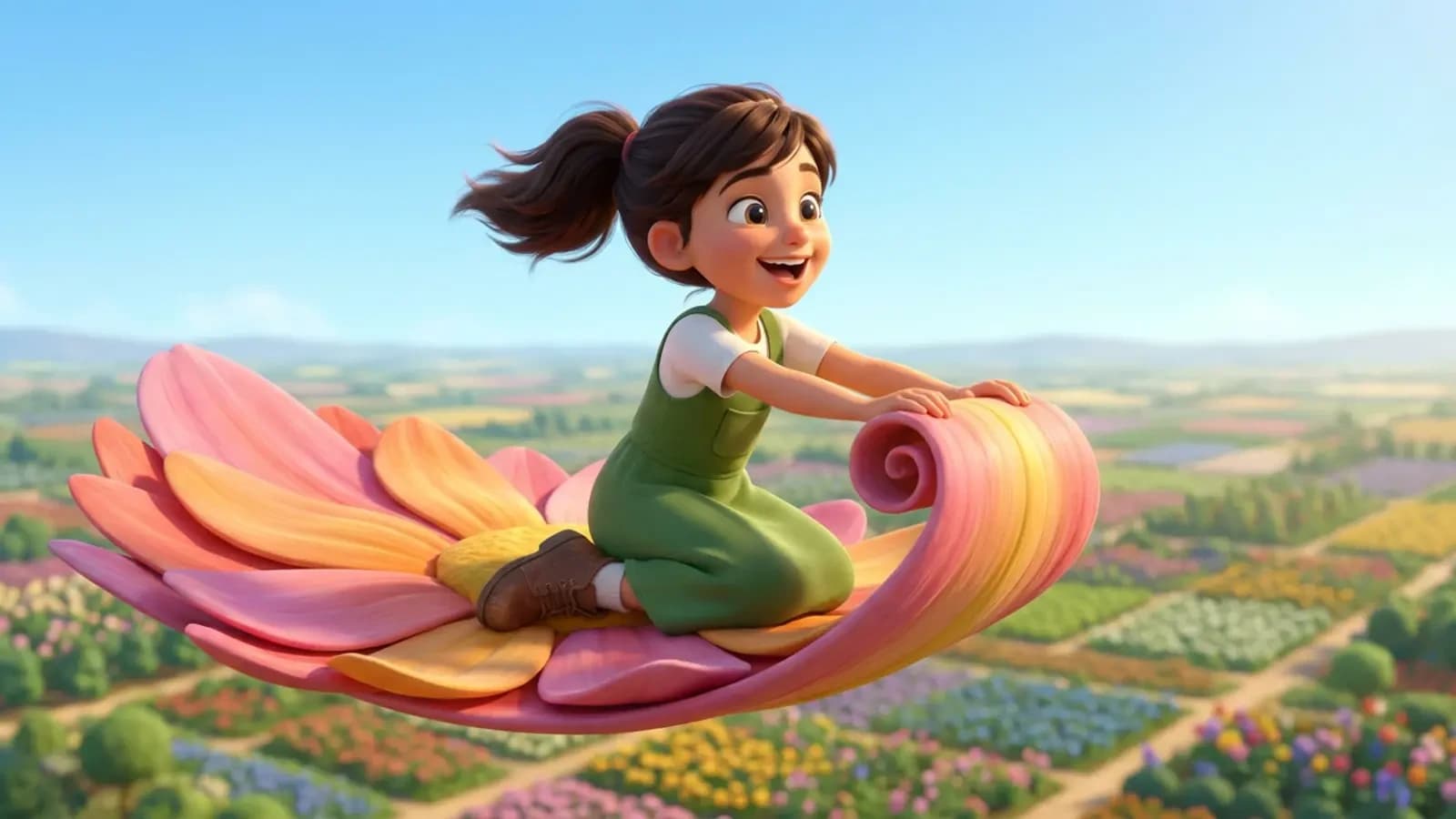
Hanan, a nine-year-old girl, adored flowers. She grew them in her garden and cared for them with great care. Whenever she saw a flower wilt, she felt deeply sad, so she wished she could understand…
Sundus Fathi Damo, 27 — Jericho
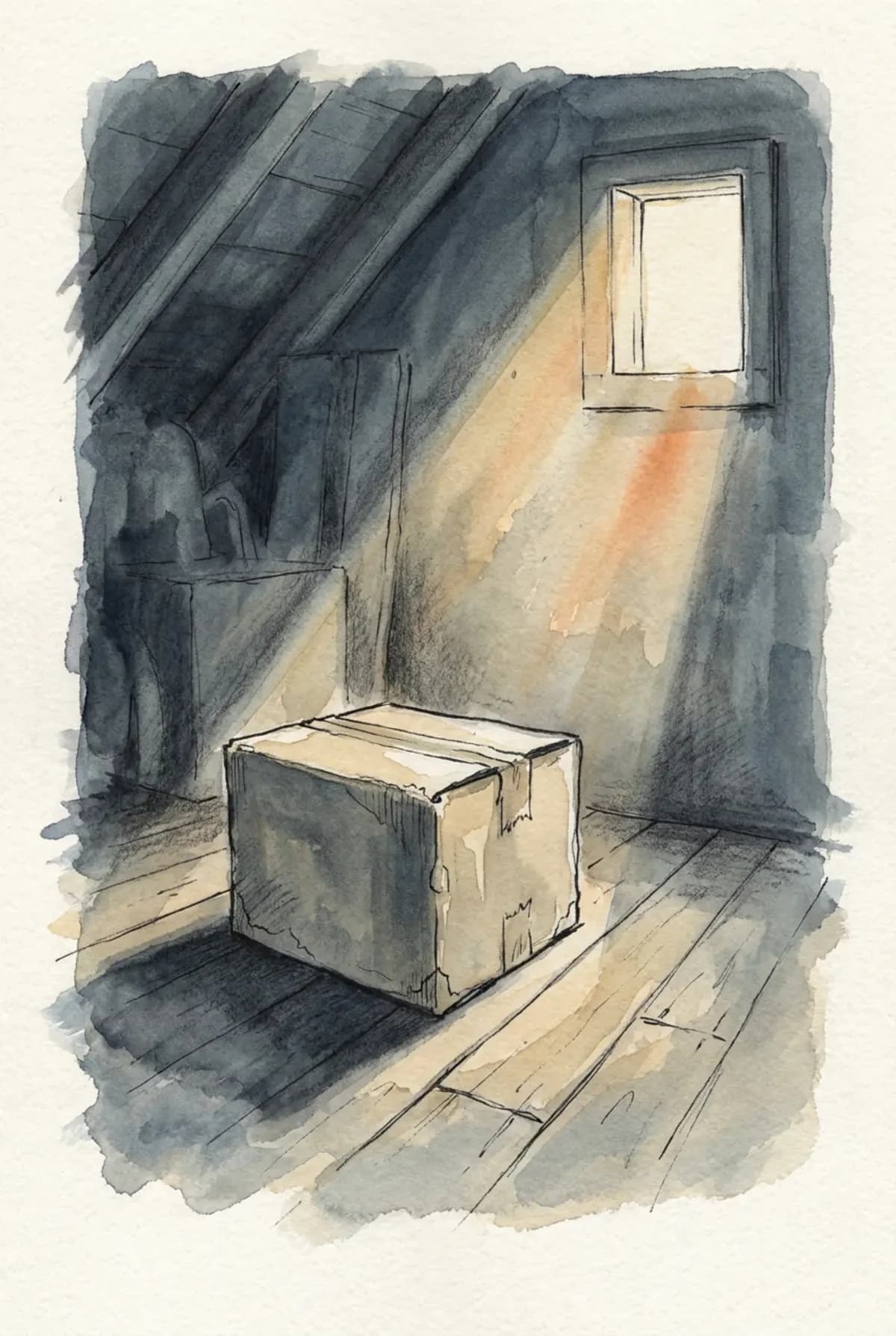
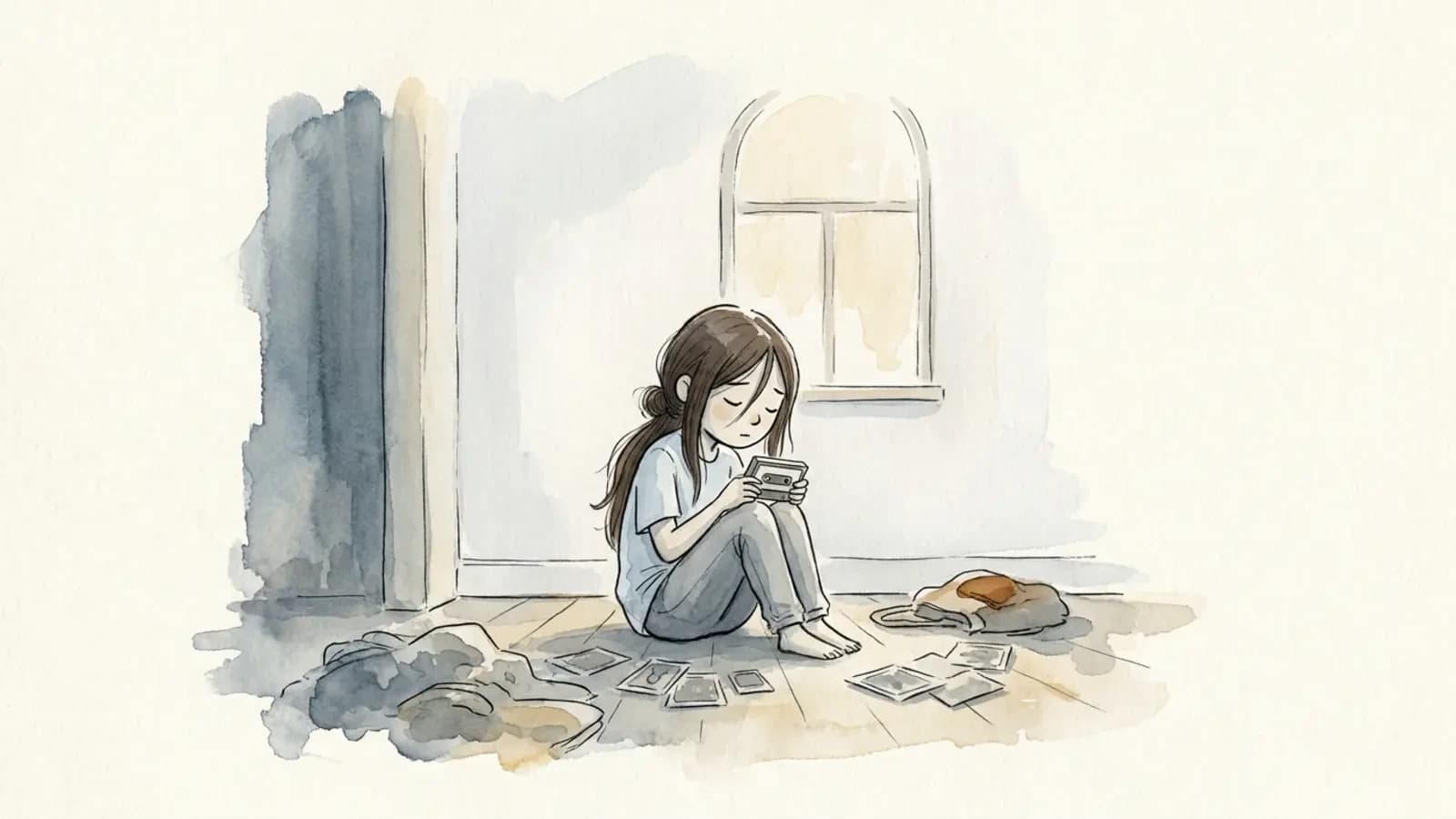
He left without leaving me anything to remember him by. My father — I was ten years old when he died. My mother would tell me about him sometimes when I asked, but all that flickered in my memory were hazy images of a harsh, volatile father.
Sondos Fathi Dammu, 27 — Jericho
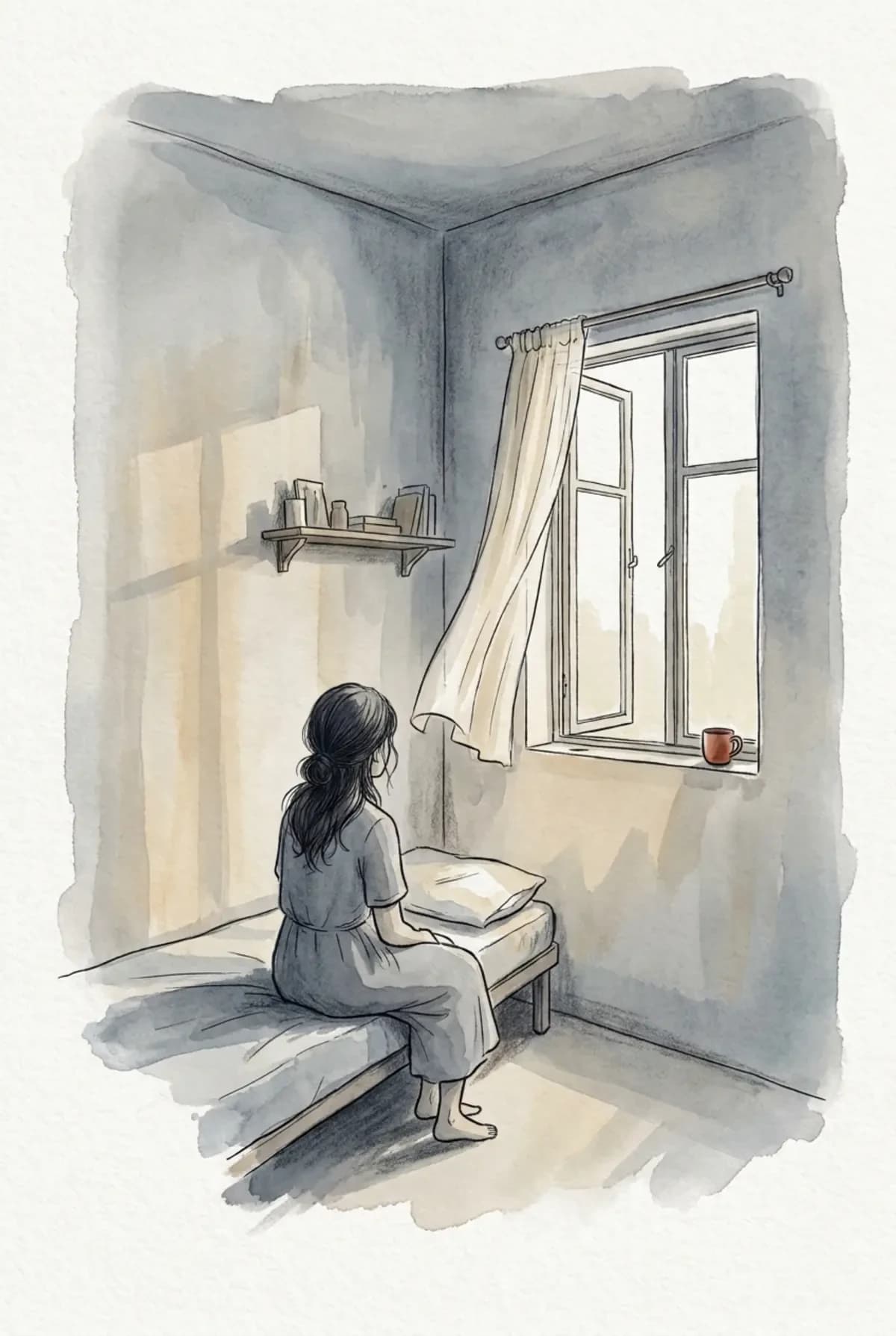
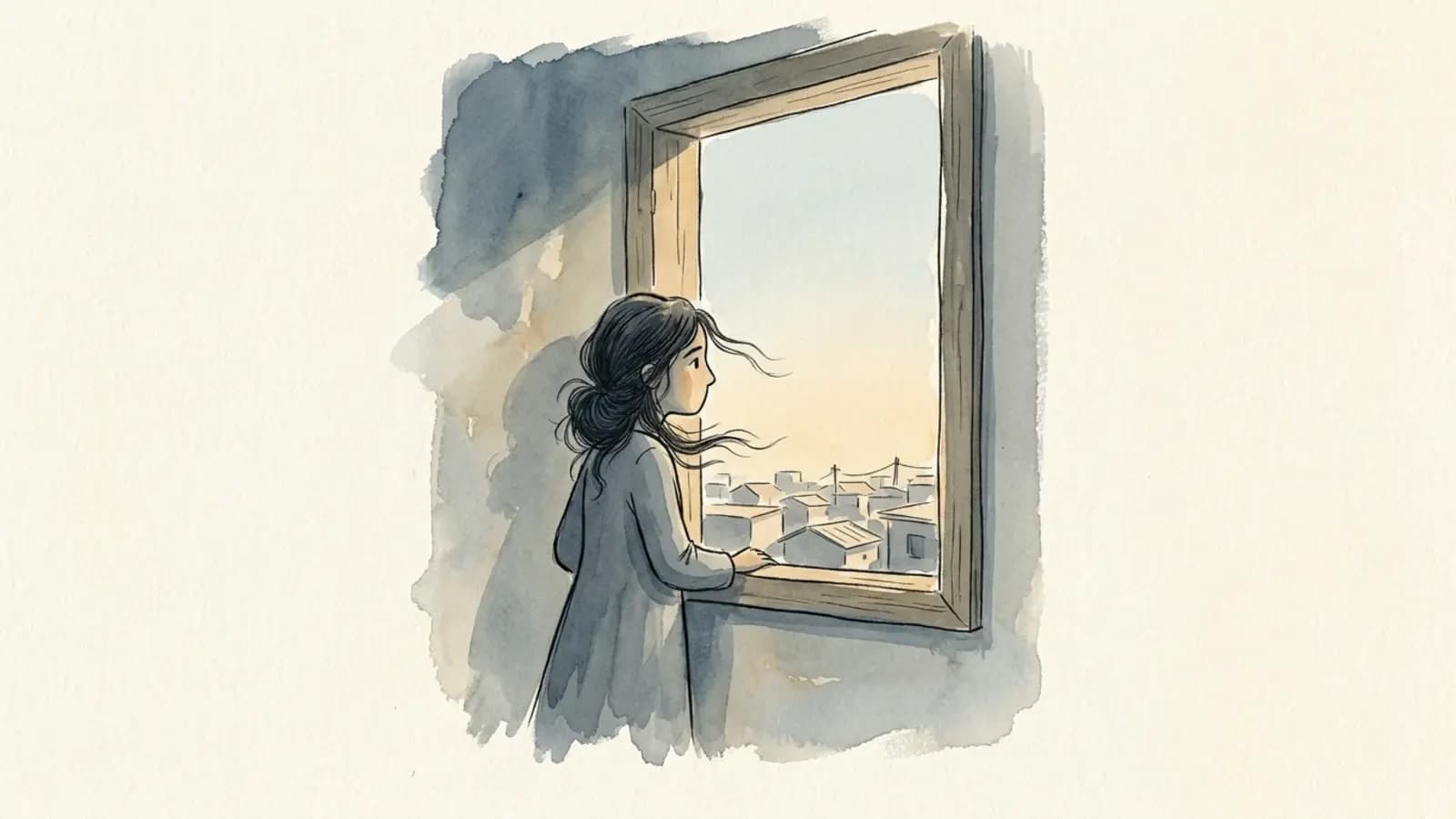
I never dared look at old photographs of my original village. Maybe I didn’t have the courage to face that crushing sense of oppression, or maybe, as much as I love the camp, I didn’t want to hate being here — didn’t want to realise the truth that I shouldn’t…
Ritaj Younis al-Ja’afra, 15 — Tarqumiyah
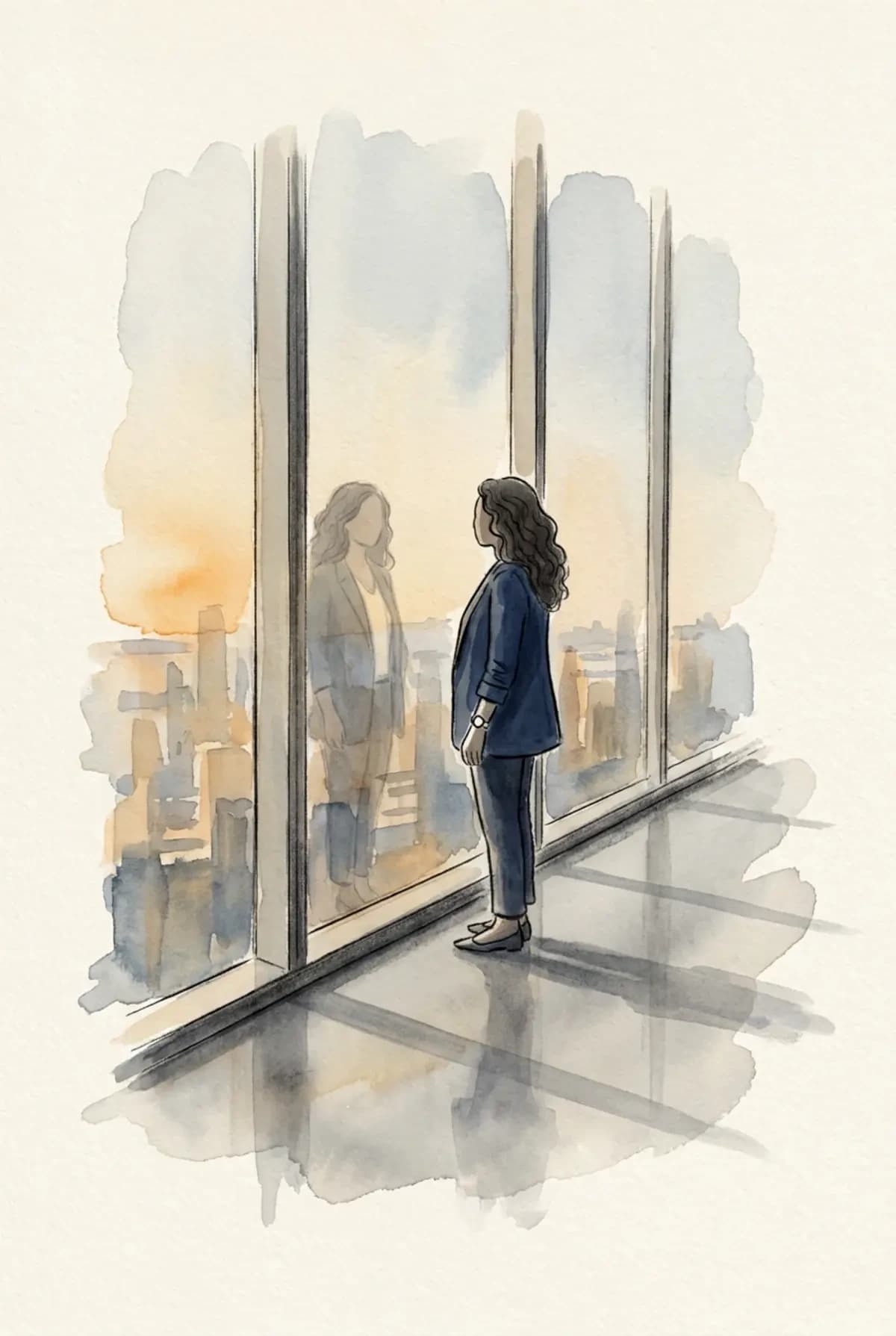
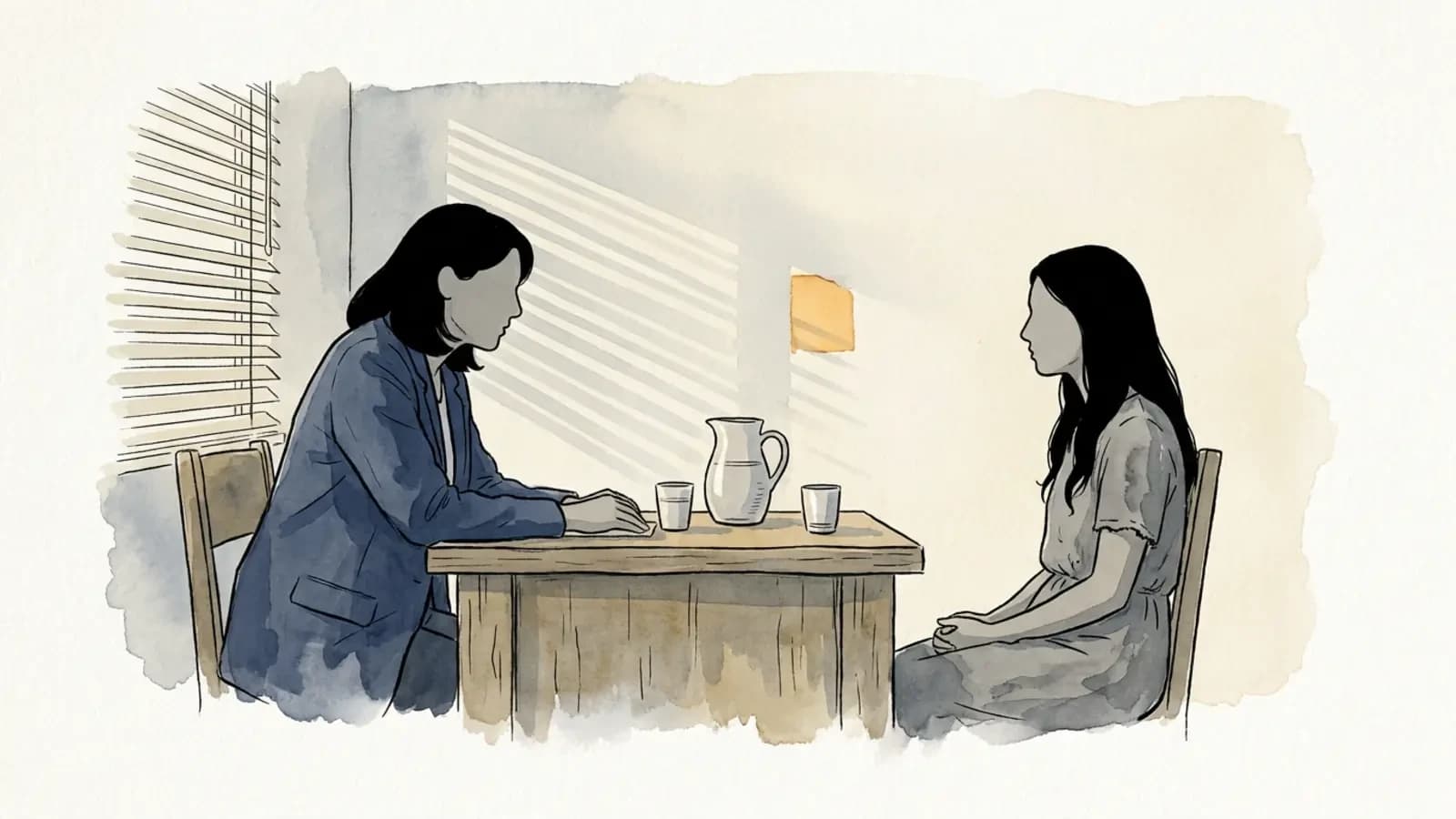
“Stop!” I heard the guard standing outside my office door shout in anger, but she did not stop. She opened my office door and burst in, crying and calling out, “Let me see her, let me see her.” She was a fifteen-year-old girl…
Bashar Shakir Halaiqah, 16 — Ramallah
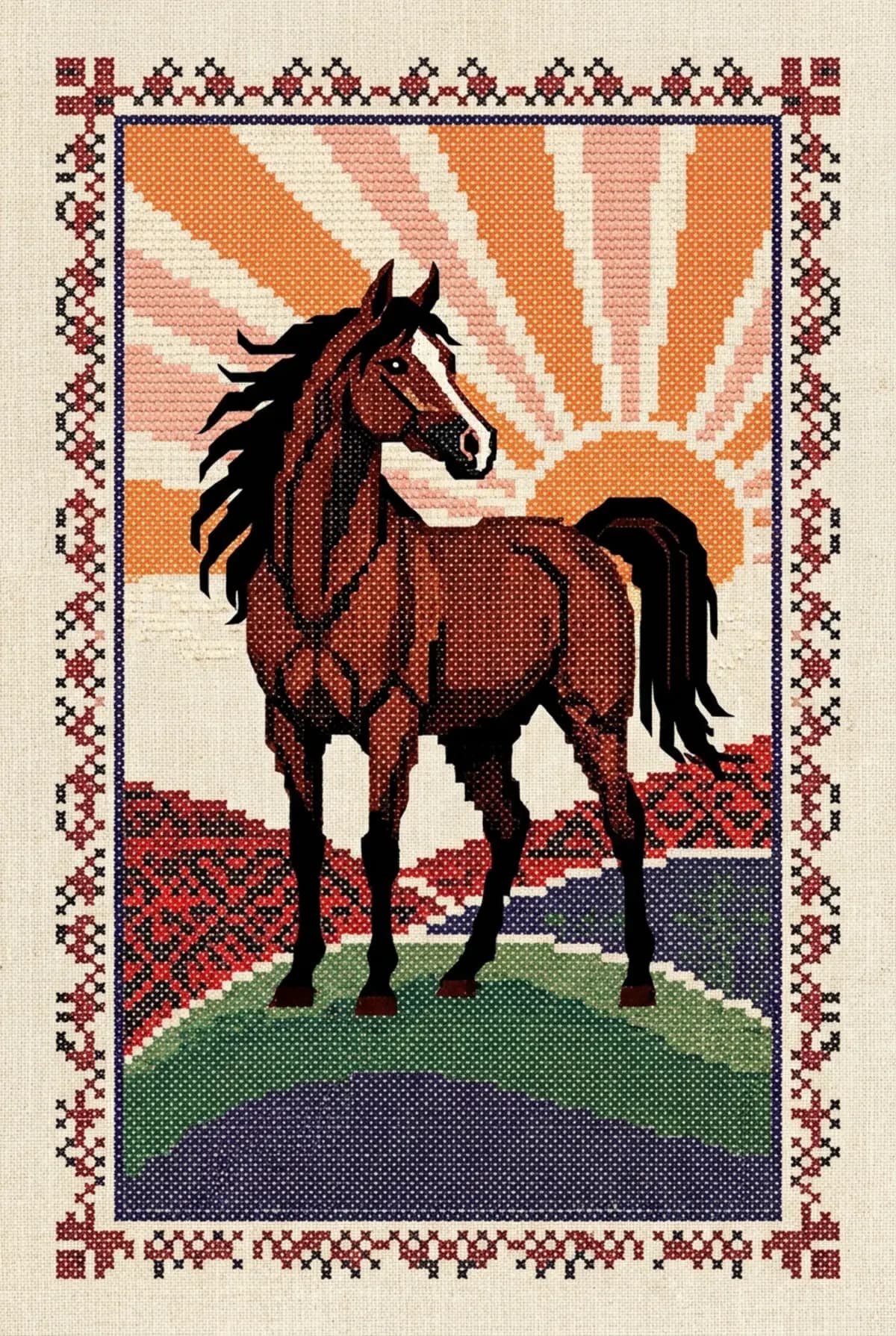
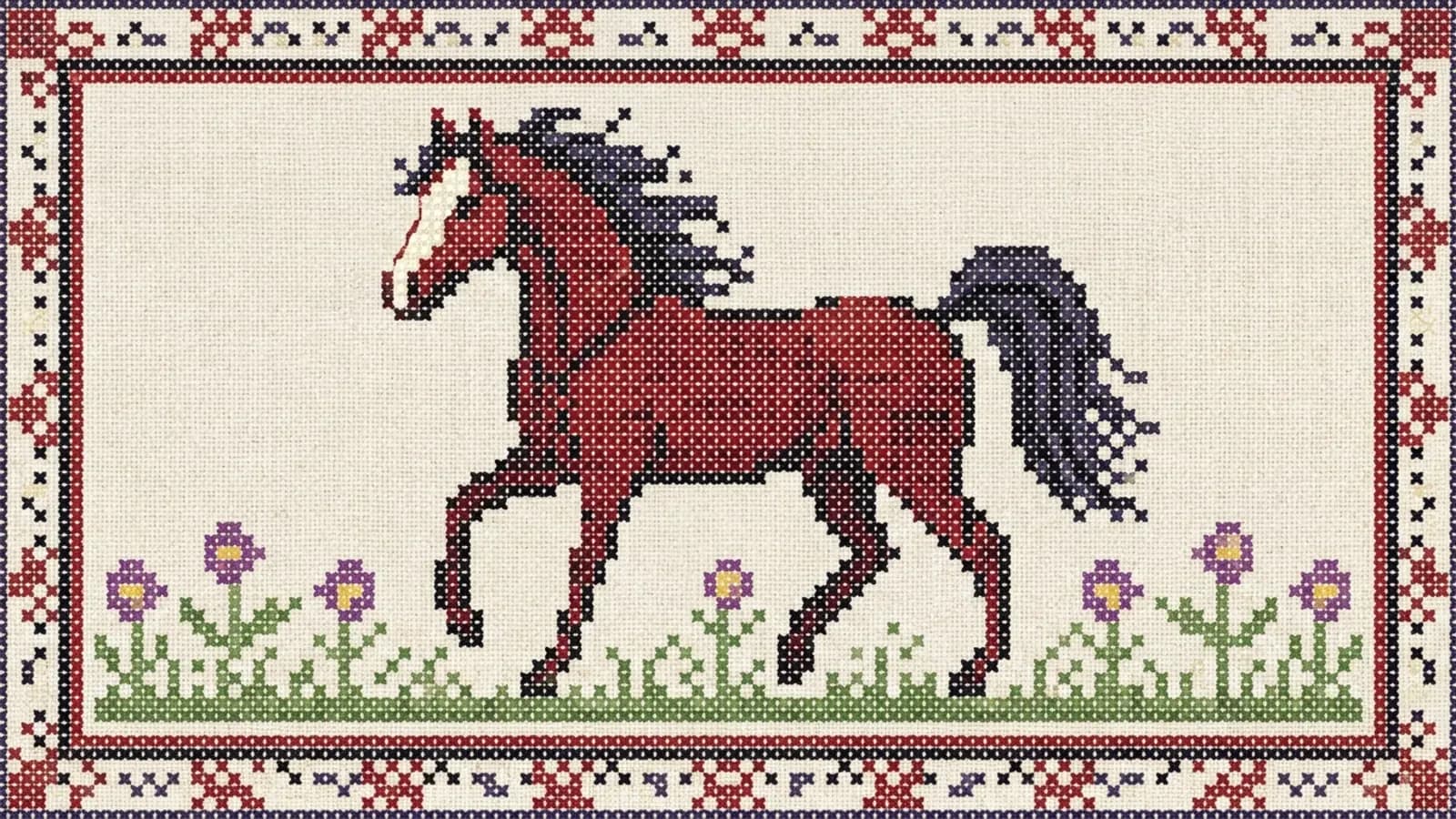
I am a horse because I am noble. I honour companionship and never forget those who stood by me. Horses are known for their strength, loyalty and intelligence. When a horse senses danger, it acts without waiting for help — it saves itself on its own…
Yazan Mu’ayyad Hamid, 15 — Ramallah
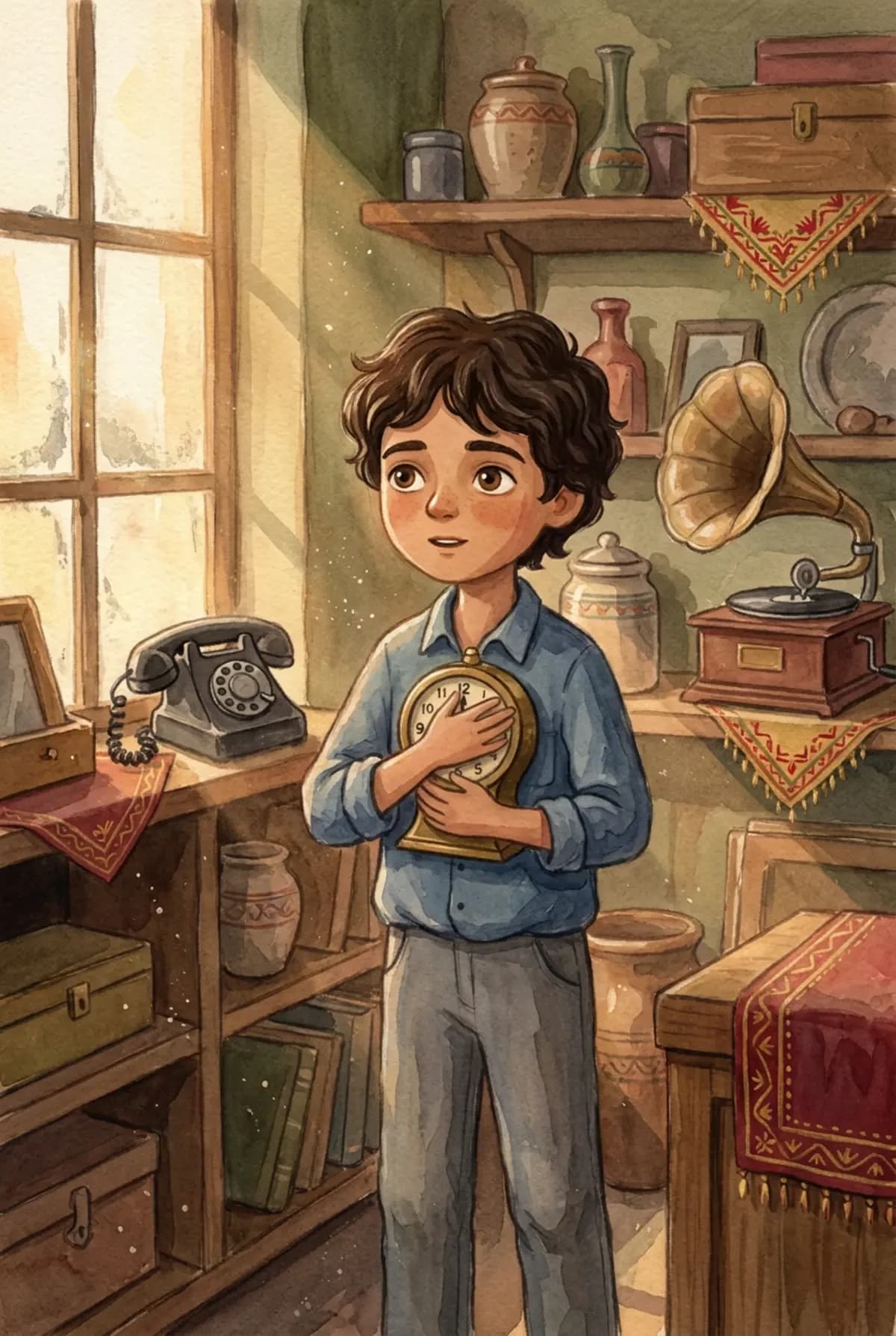
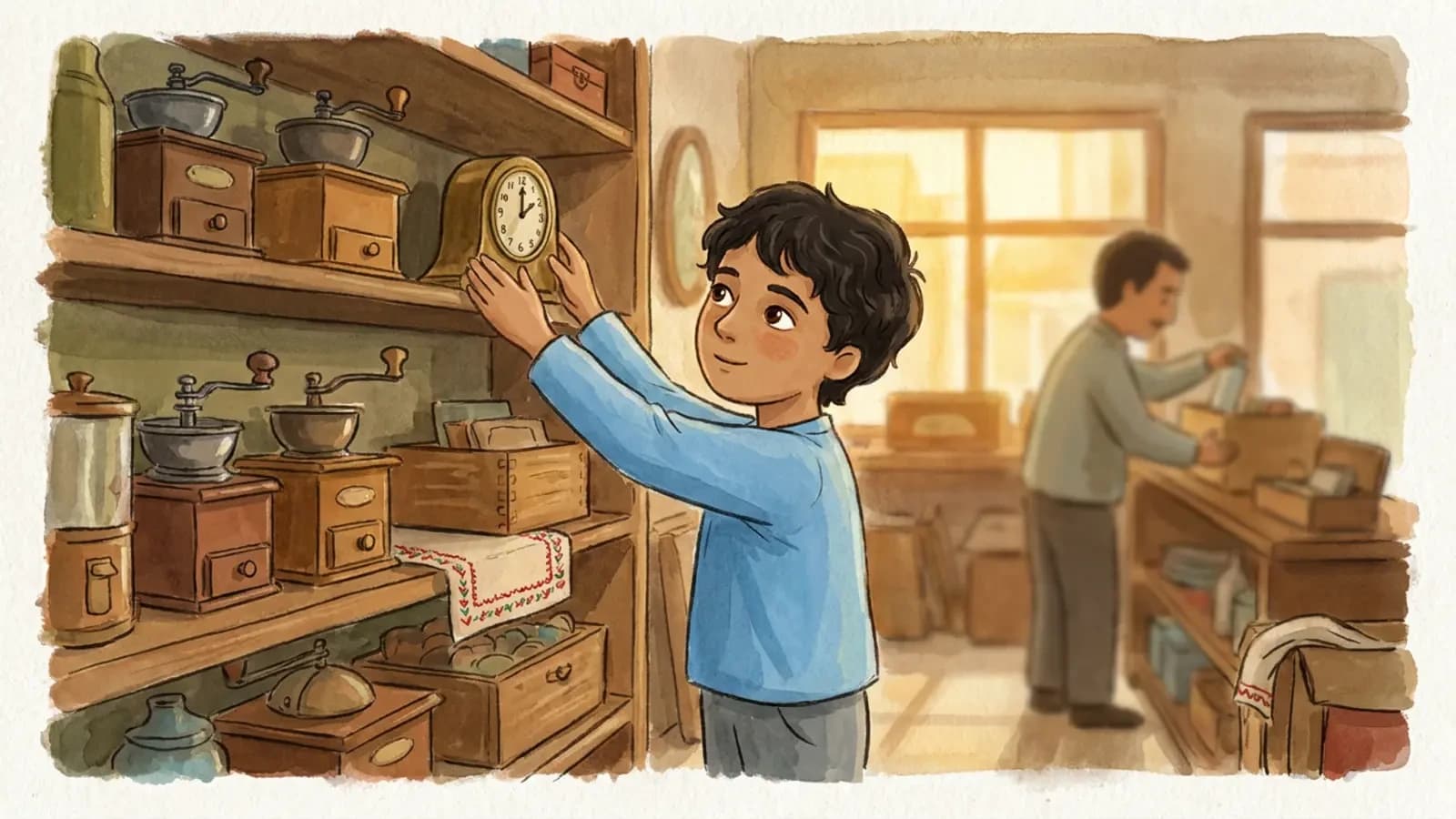
My father has a shop for old things: telephones, typewriters, coffee grinders, gramophones, old trunks… and clocks of every shape and size.
Lujain Majed Saba’neh, 12 — Jenin
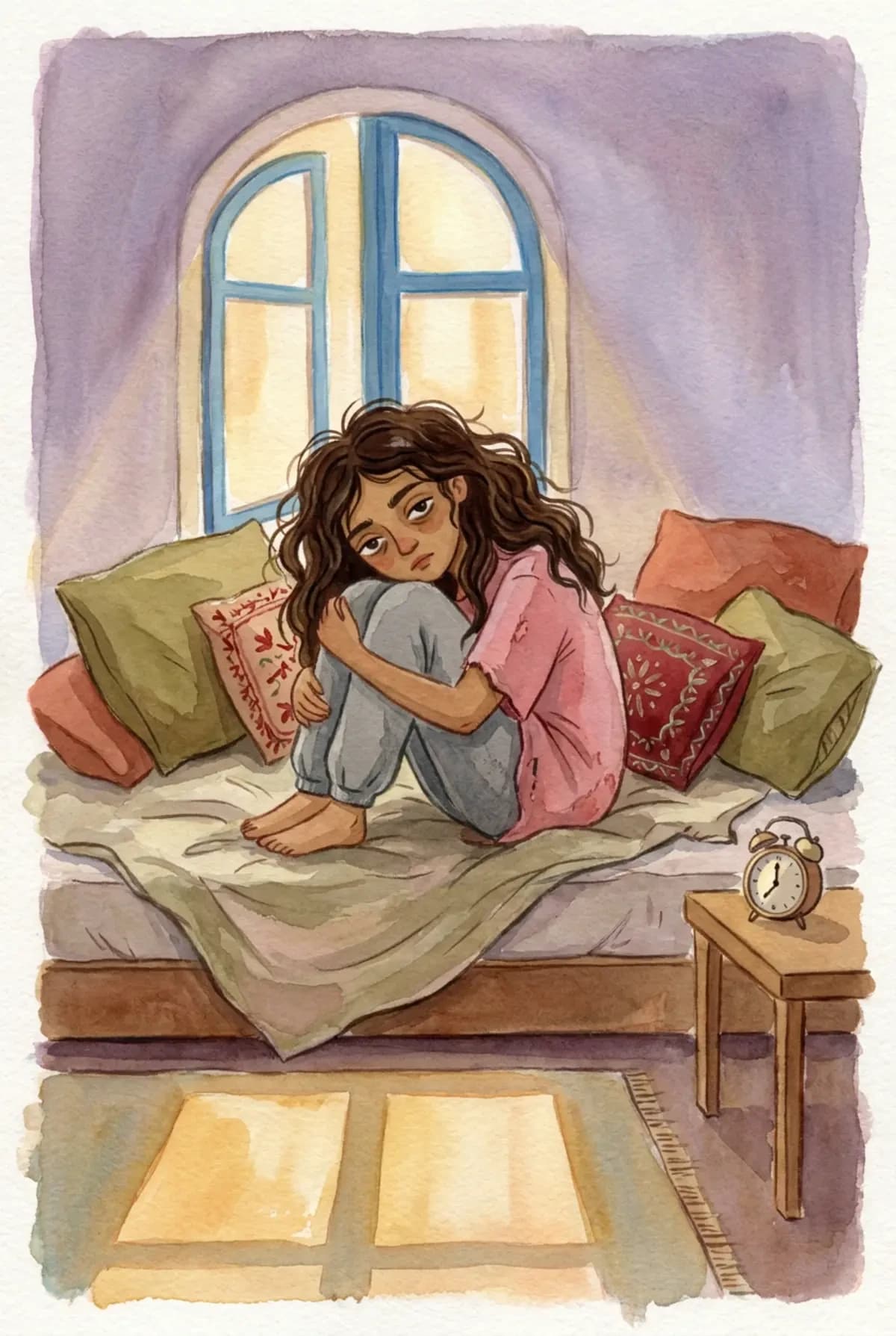
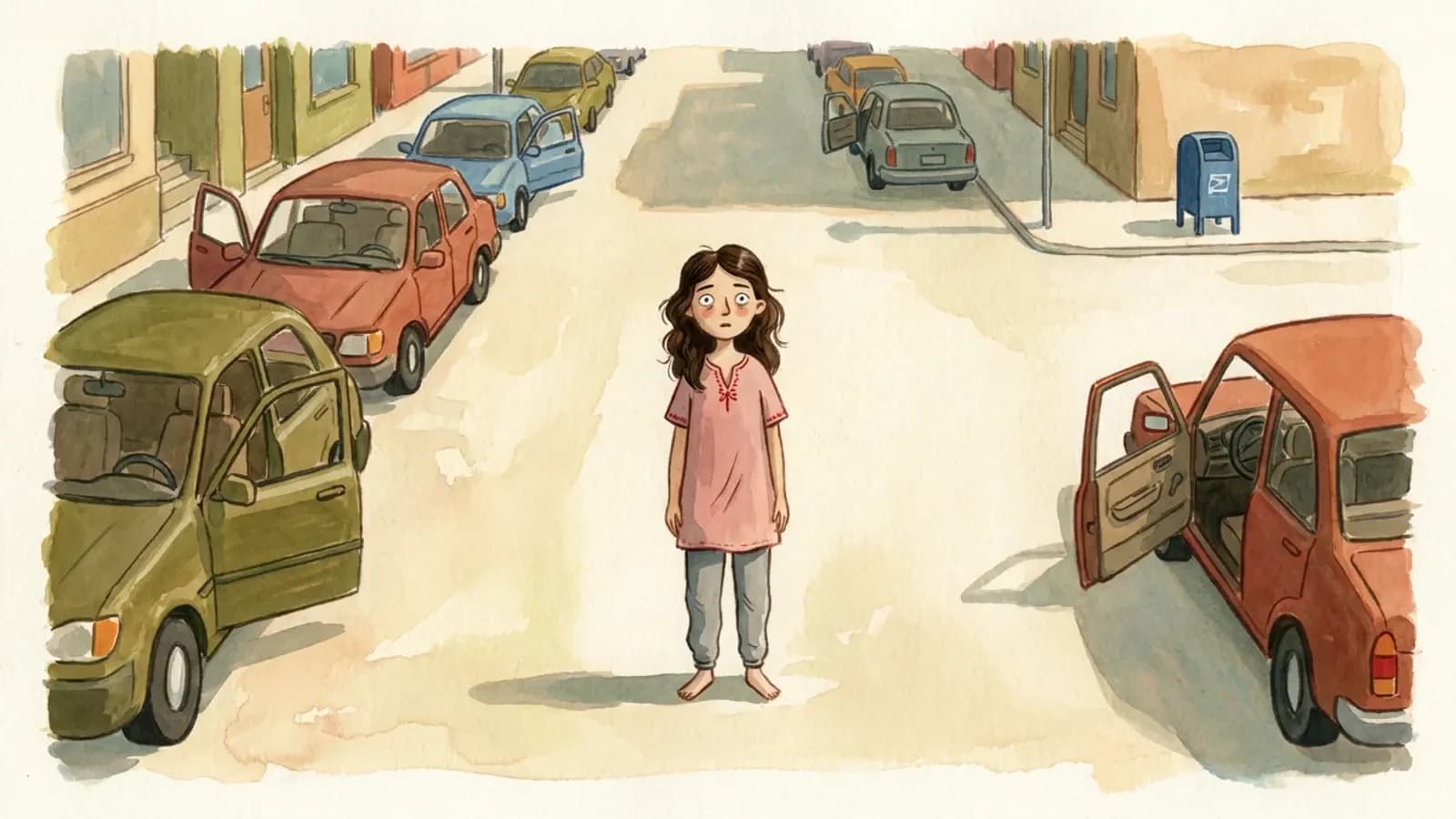
I’m a lazy girl. I love sleeping and resting, and I hate working. I hate studying and I hate leaving the house. My mum told me off and my dad gave me advice, but… it was no use.
Sham Abdulrahman Al-Masri, 13 — Jenin
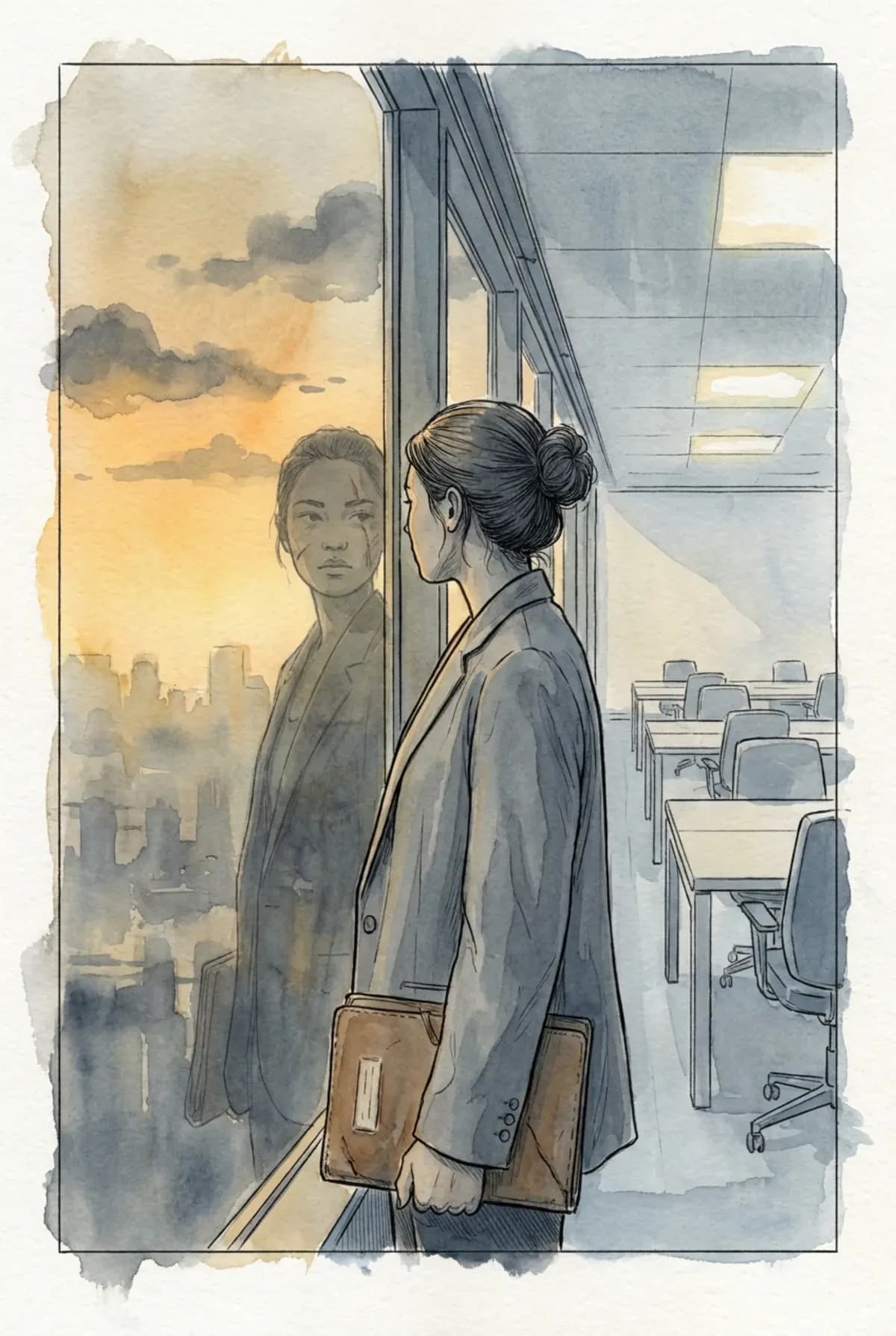
“Burnt-face”, “Here comes ugly, there goes ugly”, “Come here, burnt girl, go away, burnt girl, shut up, burnt girl”. That’s what her classmates at university used to call her, and what was her crime? Her crime was that her face was burnt when her father had a car accident and…